THE SACRAMENT
OF BAPTISM
OVERVIEW
OF BAPTISM
SYMBOLISM
OF BAPTISM
SIGNIFICANCE
OF BAPTISM
THE SACRAMENT
OF BAPTISM
OF GODPARENTS
AND THEIR
RESPONSIBILITY
IN BAPTISM
THEOLOGICAL
ORIGIN OF
GODPARENTS
RESPONSIBILITY
OF THE
GODPARENT IN
THE SACRAMENT
OF BAPTISM
THE GODPARENT
IN THE SPIRITUAL
LIFE OF A CHILD
AND THEIR
SOCIAL
SIGNIFICANCE
of Baptism
of Baptism
Origin of Godparents
in the Sacrament of Baptism
the Spiritual Life of the Child


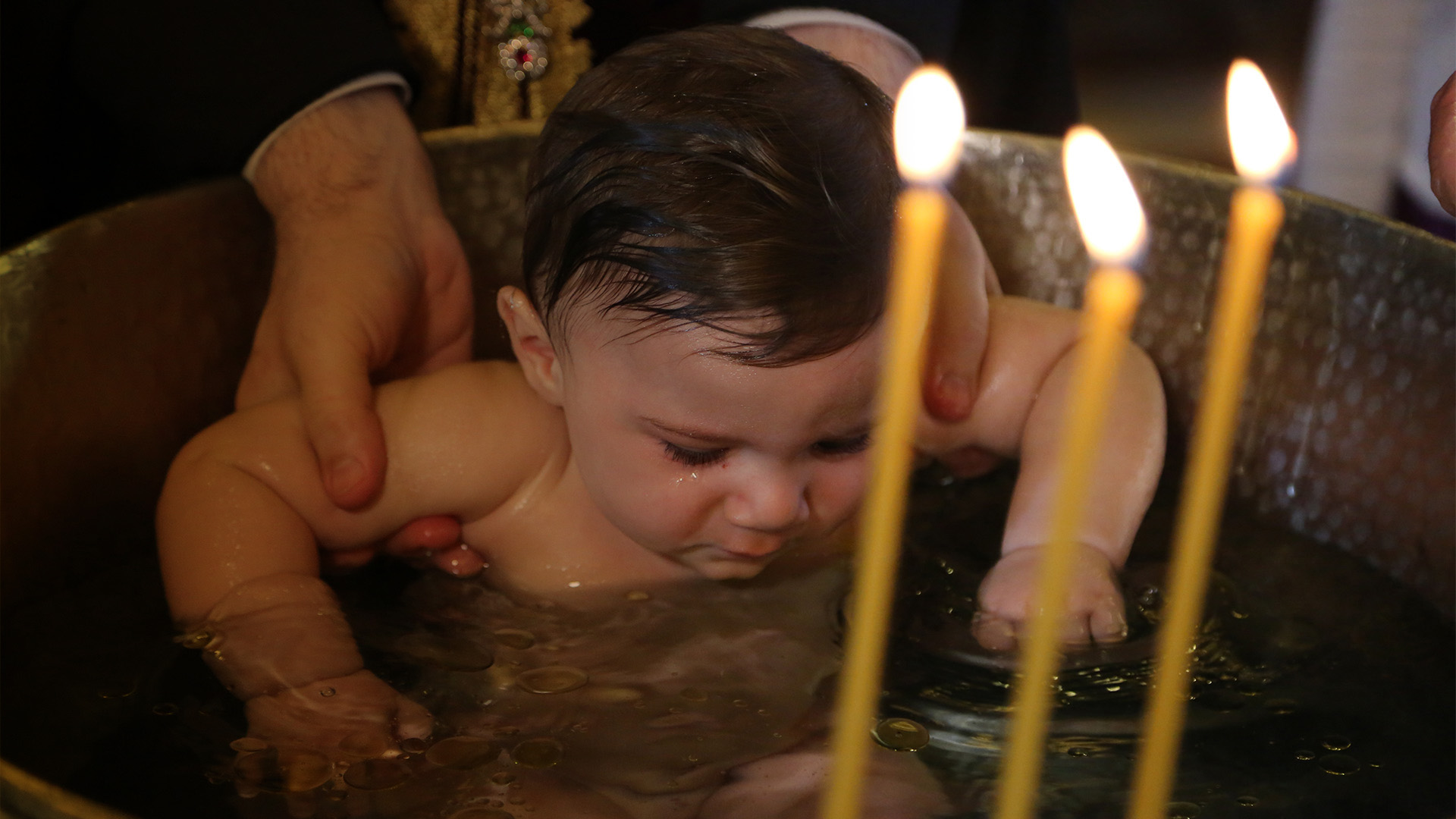
Baptism...
Baptism is one of the seven sacraments of the Orthodox Church and represents the entry of the believer into Christian life and the community of the Church.
It is an event rich in symbolism and profound theological significance, as through this sacrament, the believer is cleansed of the original sin and becomes a member of the body of Christ, that is, the Church.

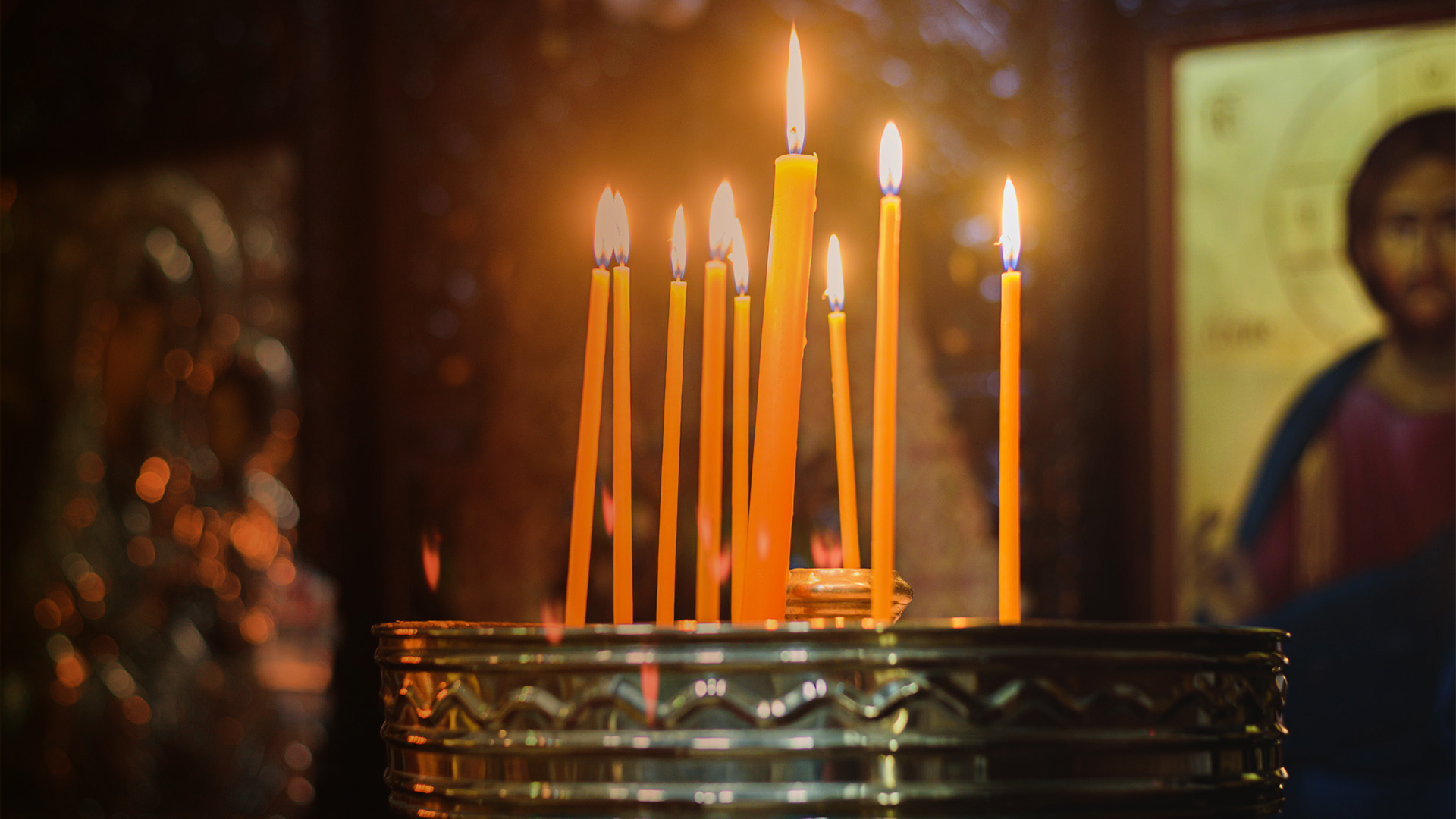
Christian baptism has its roots in the time of Jesus Christ.
Christ himself was baptized by John the Baptist in the Jordan River, an event recorded in the Gospels.
The baptism of Christ is considered the beginning of His public ministry and holds decisive significance for Christian theology.
John the Baptist preached baptism as a symbol of repentance and preparation for the coming of the Messiah.
The act of baptism in Christian tradition transformed into a ritual that encompasses purification from sin and entry into the life of Christ.
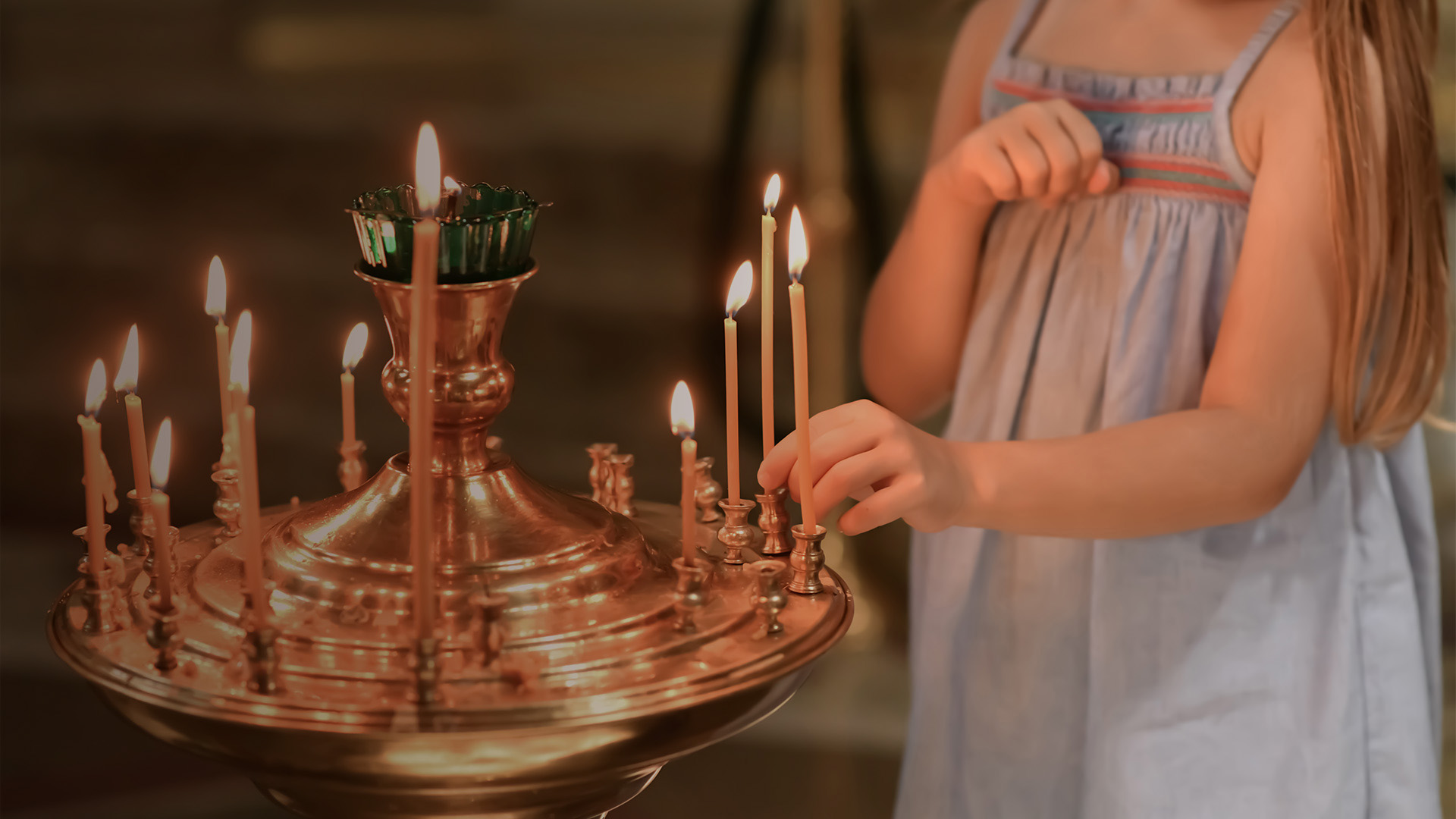
In the early Christian centuries, baptism was primarily an act performed by adults.
Candidates were baptized after a long period of indoctrination, during which they learned the fundamental principles of the faith.
Over time, infant baptism became increasingly common, as the Church teaches that all, even infants, carry the original sin, which must be cleansed through baptism.
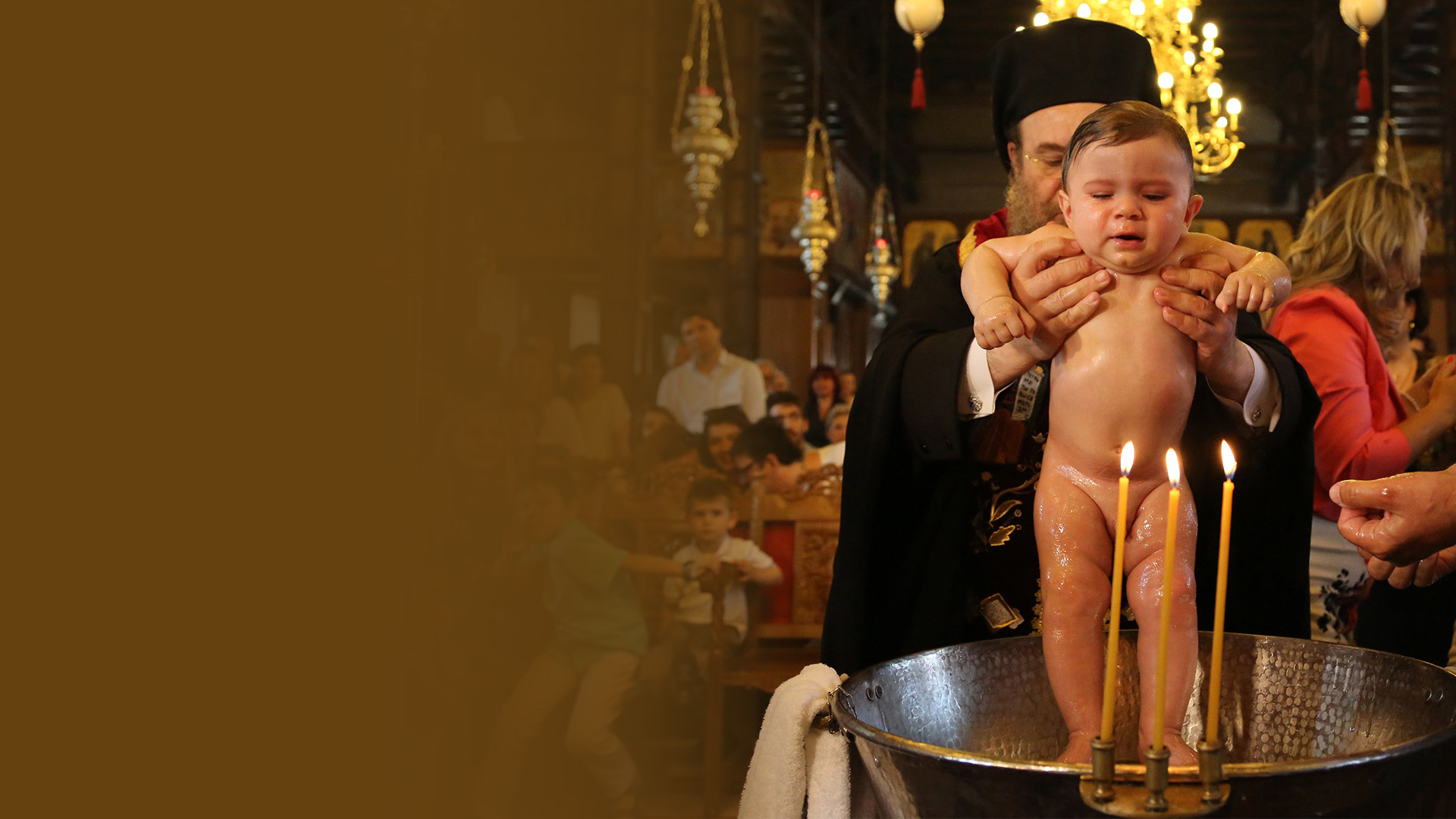
In Orthodox theology, the sacrament of baptism is more than a symbolic act.
It is the actual rebirth of a person and their incorporation into the life of Christ.
In baptism, a person is "buried" with Christ in the water and "resurrected" with Him into a new spiritual life.
This death and resurrection with Christ are symbolized by the triple immersion and emergence in the water.
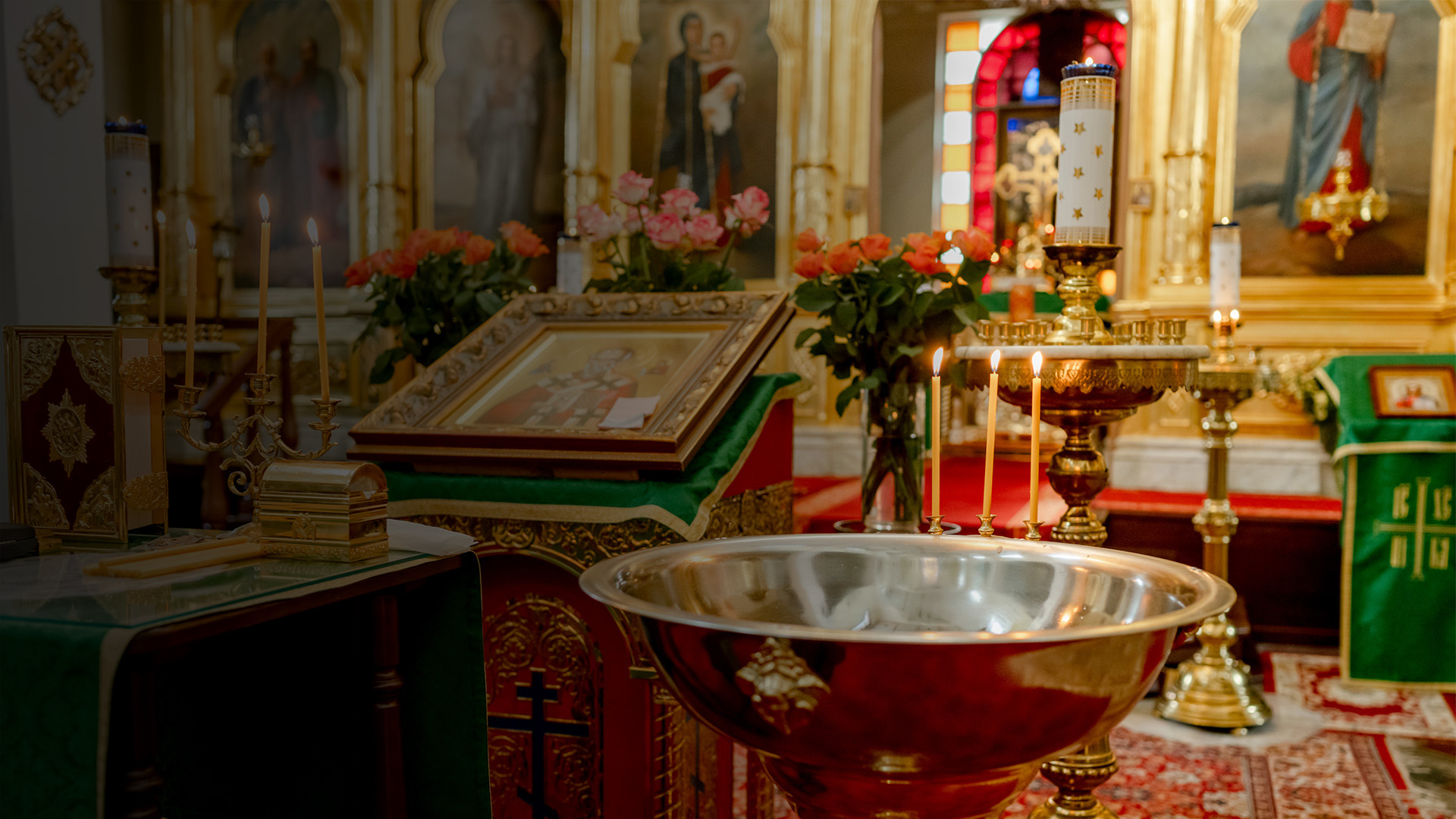
Water, since ancient times, has been a symbol of life as well as purification.
In the Bible, water appears as an element used for purification and renewal.
In the Old Testament, the Crossing of the Red Sea by the Israelites is interpreted as a foreshadowing of baptism, where the people of God are saved through water.
In the New Testament, Christ commands His disciples to "baptize in the name of the Father, and of the Son, and of the Holy Spirit" (Matt. 28:19), making the sacrament of baptism an integral part of the life of the Church.
The triple immersion and emergence of the baptized person in the water symbolizes, as previously mentioned, their participation in the death and resurrection of Christ.
This is referenced in the passage of the Apostle Paul in his letter to the Romans: "Do you not know that all of us who have been baptized into Christ Jesus were baptized into his death?" (Rom. 6:3).
Moreover, beyond this, the triple immersion also expresses faith in the Holy Trinity, as the sacrament is performed "in the name of the Father, and of the Son, and of the Holy Spirit."
The unity of the Trinity is a fundamental foundation of Orthodox faith, and the baptized individual is united with this sacrament.
Baptism in the Orthodox Church is not merely an act of purification from sin, but also a spiritual rebirth.
Through this, a person receives "adoption" from God, becoming a child of God.
This relationship is exceedingly important, as the person is no longer merely a creation of God, but is adopted as His child, signifying the beginning of a new, living relationship with the Creator.
Furthermore, in baptism, a person is clothed with Christ.
This concept is referenced in the passage of the Apostle Paul in his letter to the Galatians: "for all of you who were baptized into Christ have clothed yourselves with Christ" (Gal. 3:27).
The clothing of Christ signifies that the baptized individual becomes a member of the Body of Christ, that is, the Church, and is now called to live according to the commandments and example of Jesus Christ.
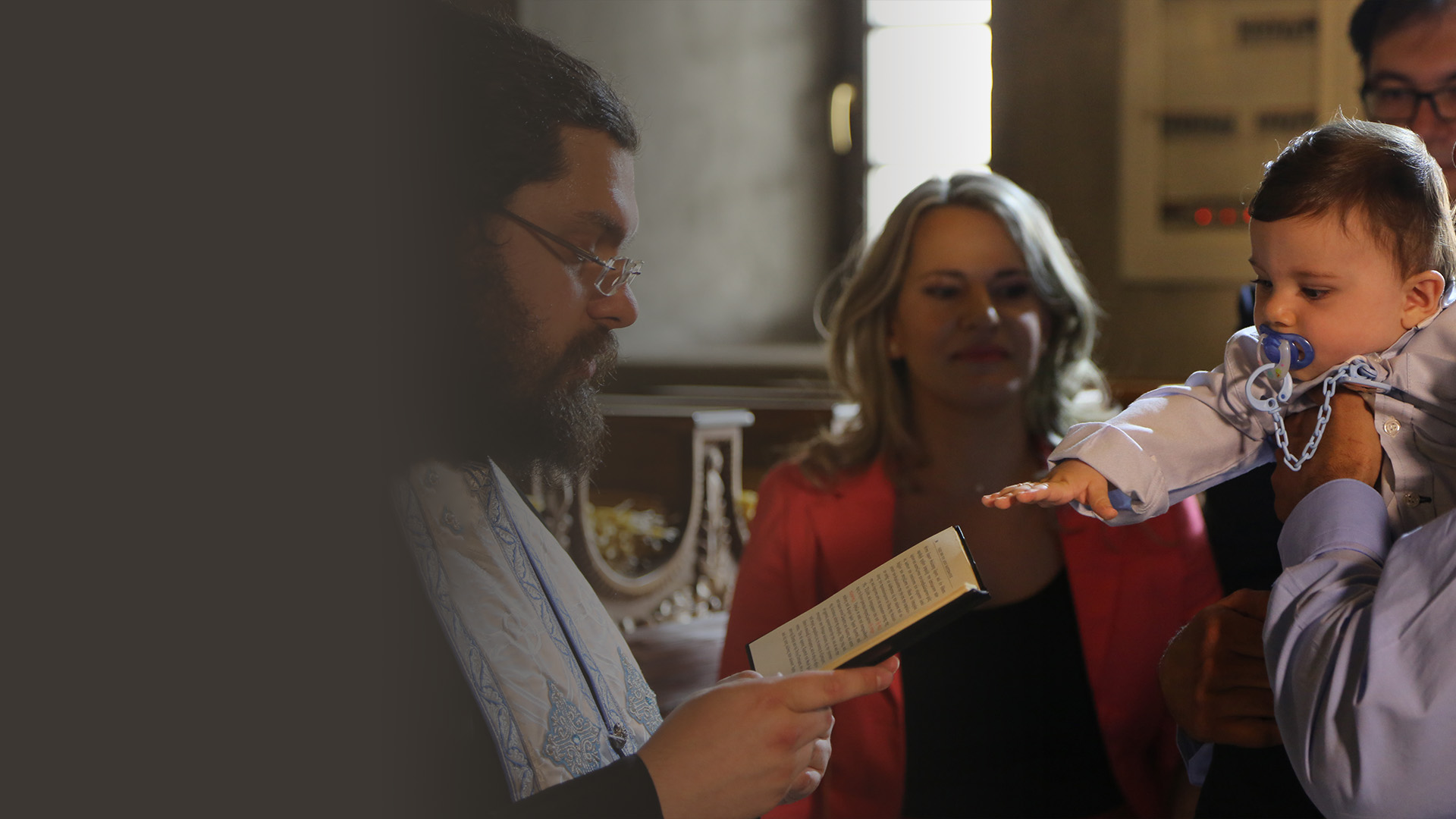
Baptism, as a ritual, includes a series of stages and symbolic acts that emphasize its significance.
Let’s take a look at the main steps followed in Orthodox baptism:
1. Invocation of Prayers: The sacrament begins with the invocation of prayers by the priest, who calls upon God's grace for the candidate being baptized.
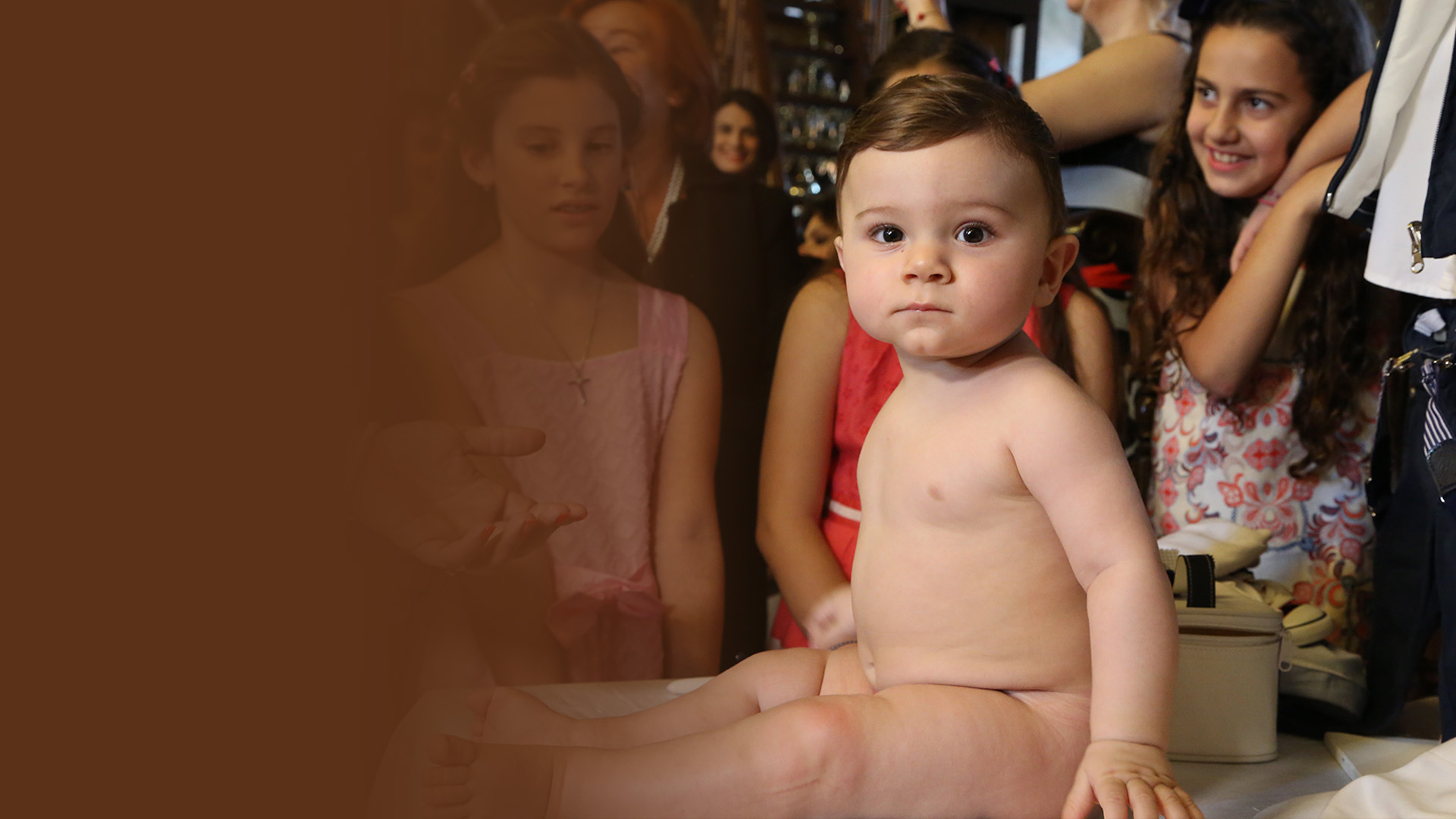
2. The Renunciation of Satan and Confession of Faith: The priest calls the baptized individual to turn toward the West, which symbolizes darkness and sin, and to renounce Satan three times.
Next, the baptized individual turns toward the East, a symbol of light and the Resurrection, and confesses their faith in Christ by reciting the Nicene Creed (the Profession of Faith).

The renunciation of Satan and the confession of faith are significant elements of baptism, as the baptized individual turns away from the world of sin and enters into the realm of God's grace.
This act symbolizes the transformation of a person from evil to good and the new life that begins with baptism.
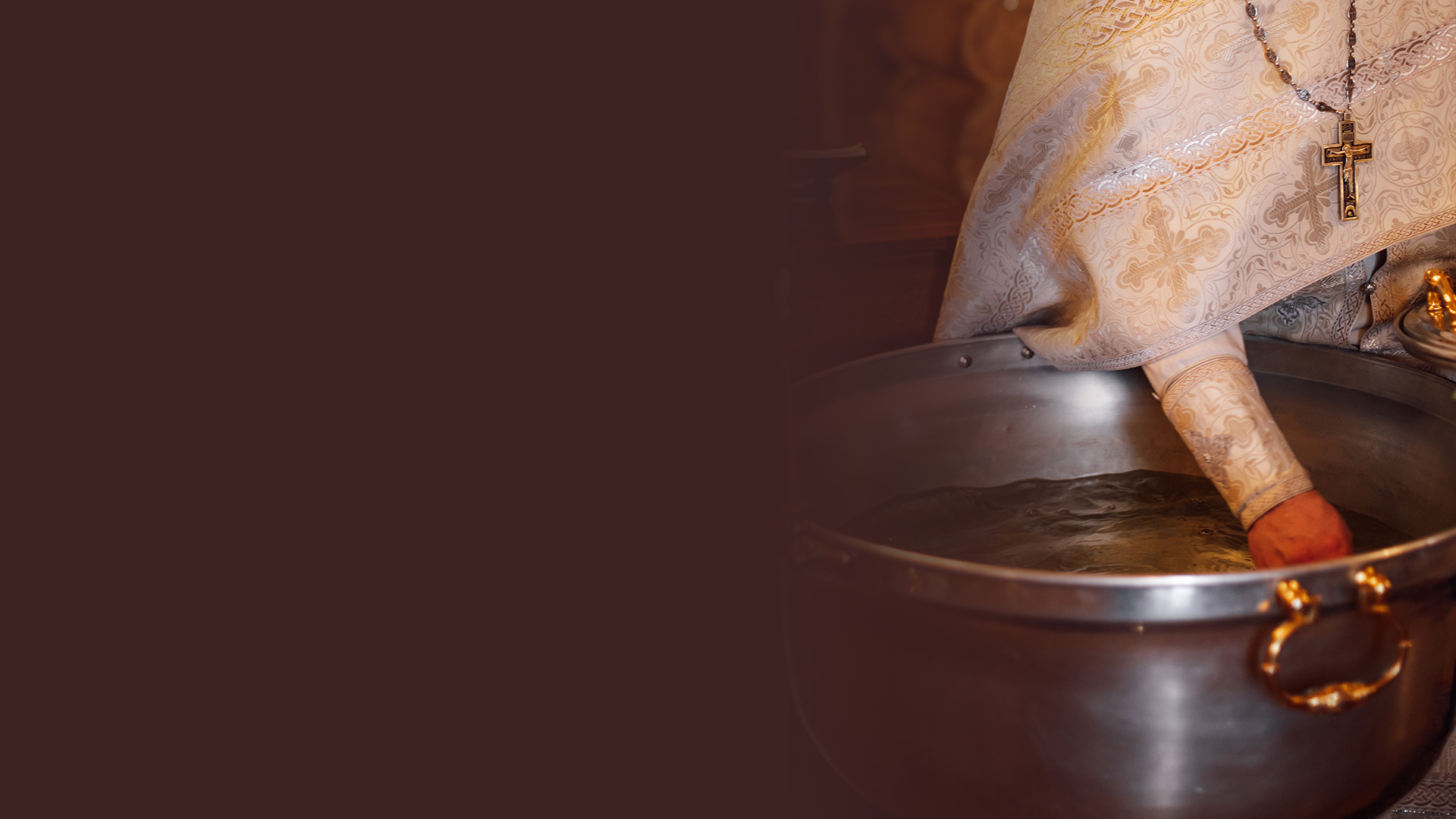
3. The Blessing of the Water: The priest blesses the water of the baptismal font, praying that it may become a means of purification and rebirth.
The baptismal font is considered the "new bath" that cleanses the soul and body from sin.
4. The Triple Immersion: The priest baptizes the believer with a triple immersion and emergence in the water, in the name of the Holy Trinity.
As mentioned, this act symbolizes the death and resurrection of Christ and the incorporation of the baptized individual into His Body.

5. The Chrismation: After baptism, the sacrament of chrismation follows, during which the baptized individual is anointed with holy chrism on various parts of their body. The chrism, which is a separate sacrament, is the seal of the Holy Spirit and empowers the believer to live the Christian life and to resist sin.
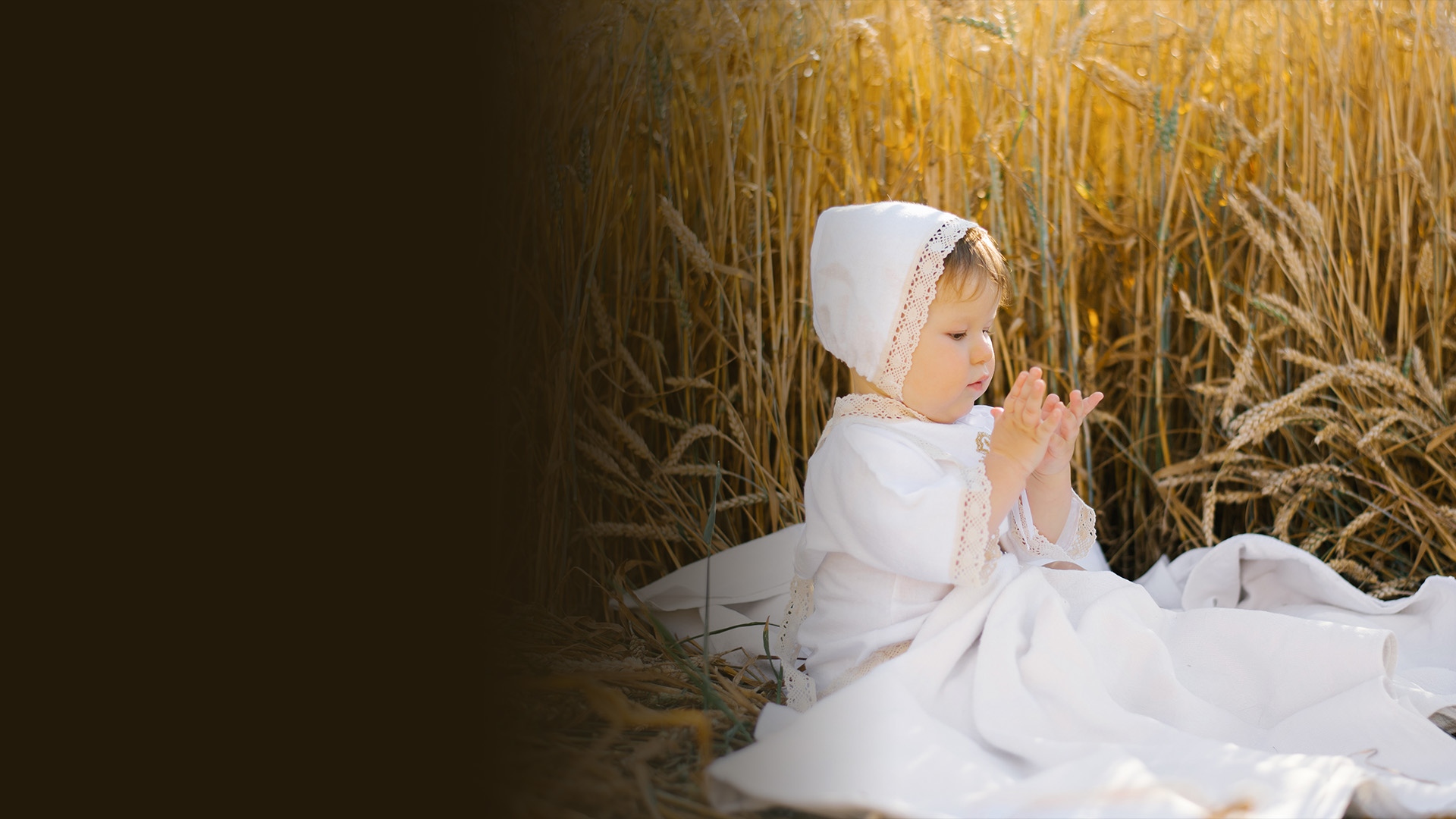
6. The Clothing in the White Garment: The baptized individual is clothed in a white garment, symbolizing the purity of the new life they have received through baptism.
The white color is a symbol of the purity and holiness that is sought in the Christian life.
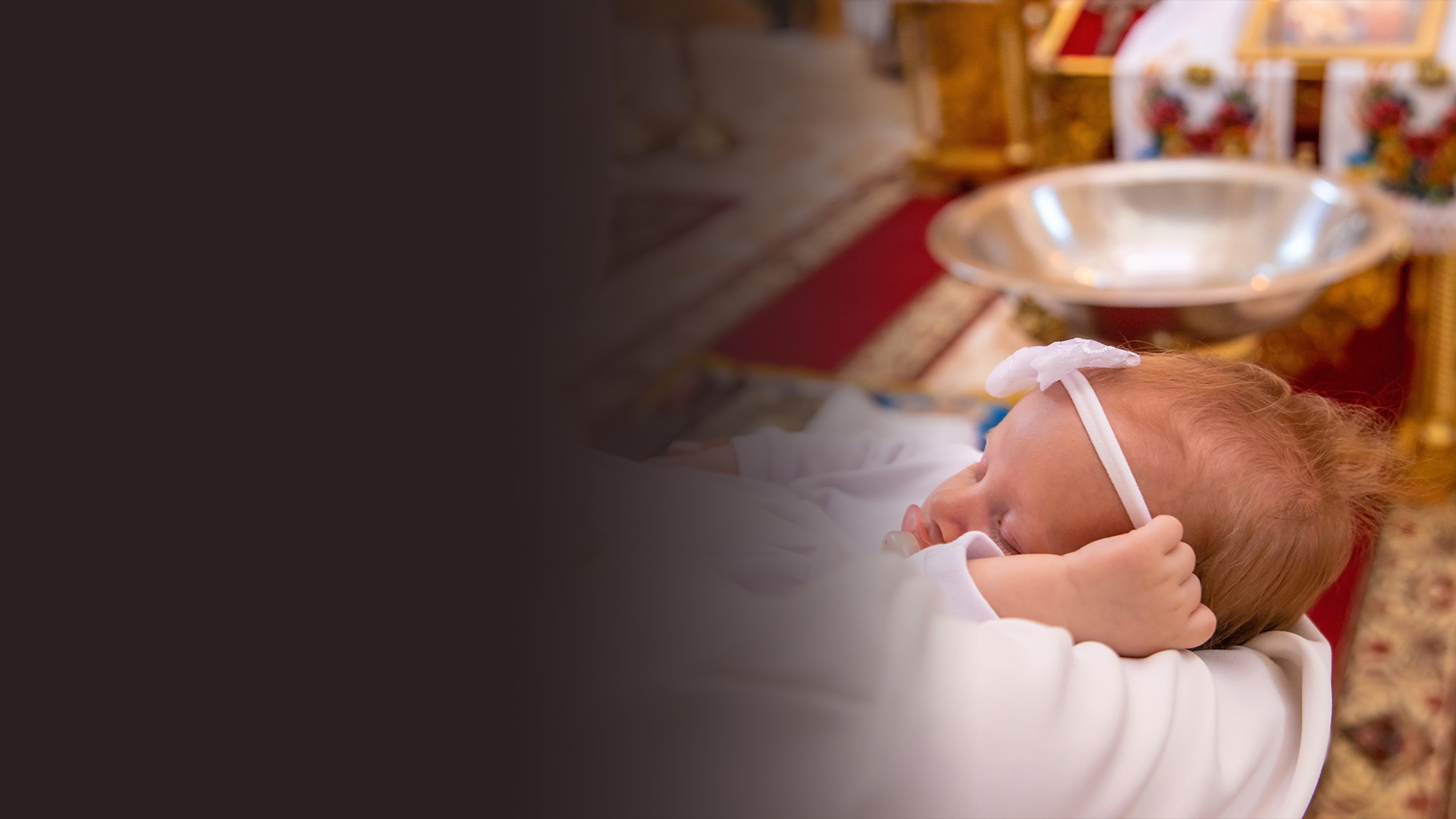
7. The Reception of the Light: Next, the baptized individual receives a lit candle, symbolizing the light of Christ.
This candle symbolizes the new spiritual life and the illumination that the believer receives through Christ.
8. The Procession Around the Baptismal Font: The priest, along with the baptized individual and the godparents, processes around the baptismal font, chanting hymns.
This procession symbolizes the dance of new life and the joy of spiritual rebirth.
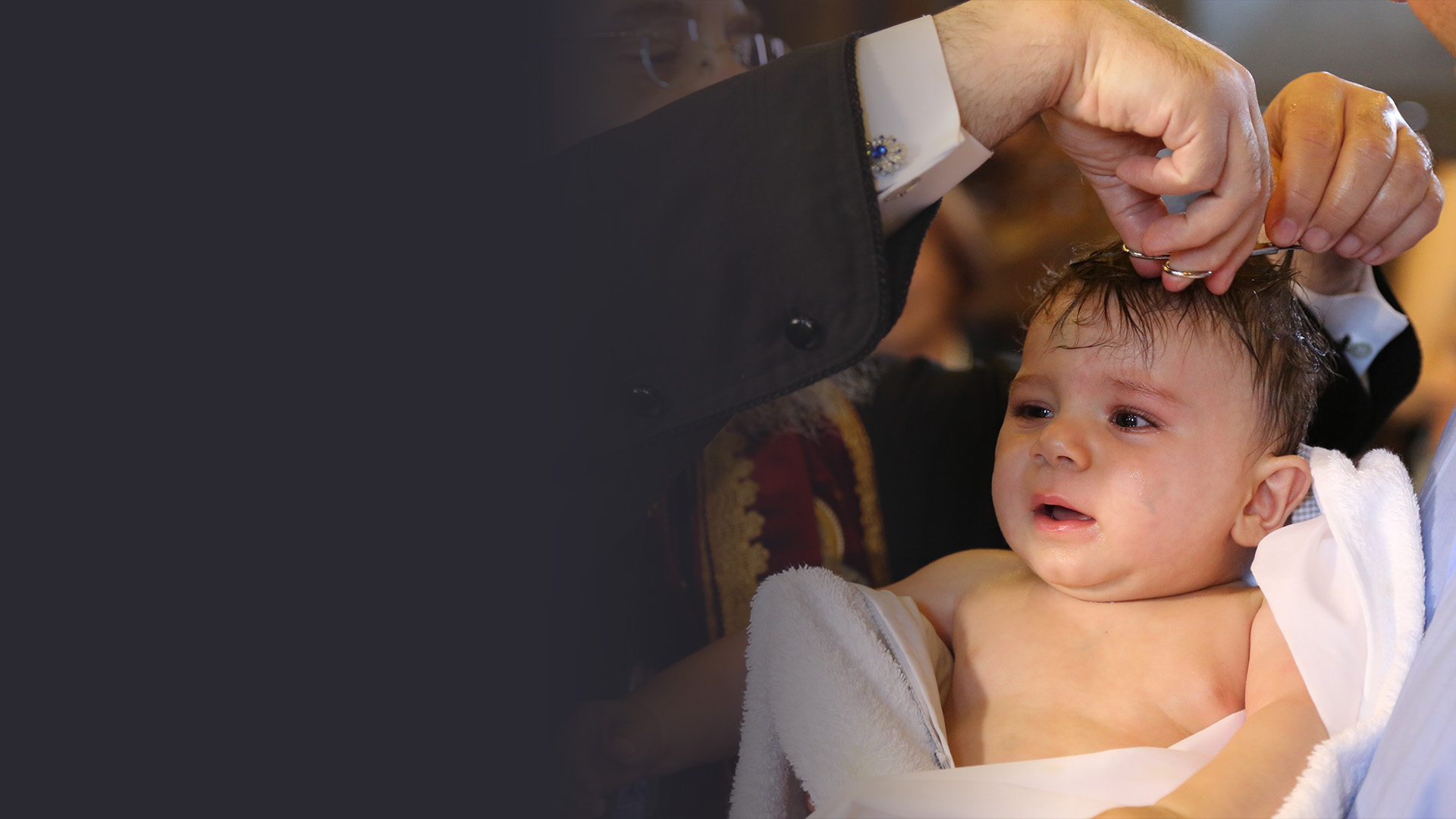
9. The Cutting of the Hair: The baptism concludes with the cutting of a lock of hair from the baptized individual, symbolizing their dedication to God and the offering of the first fruits of their new life.
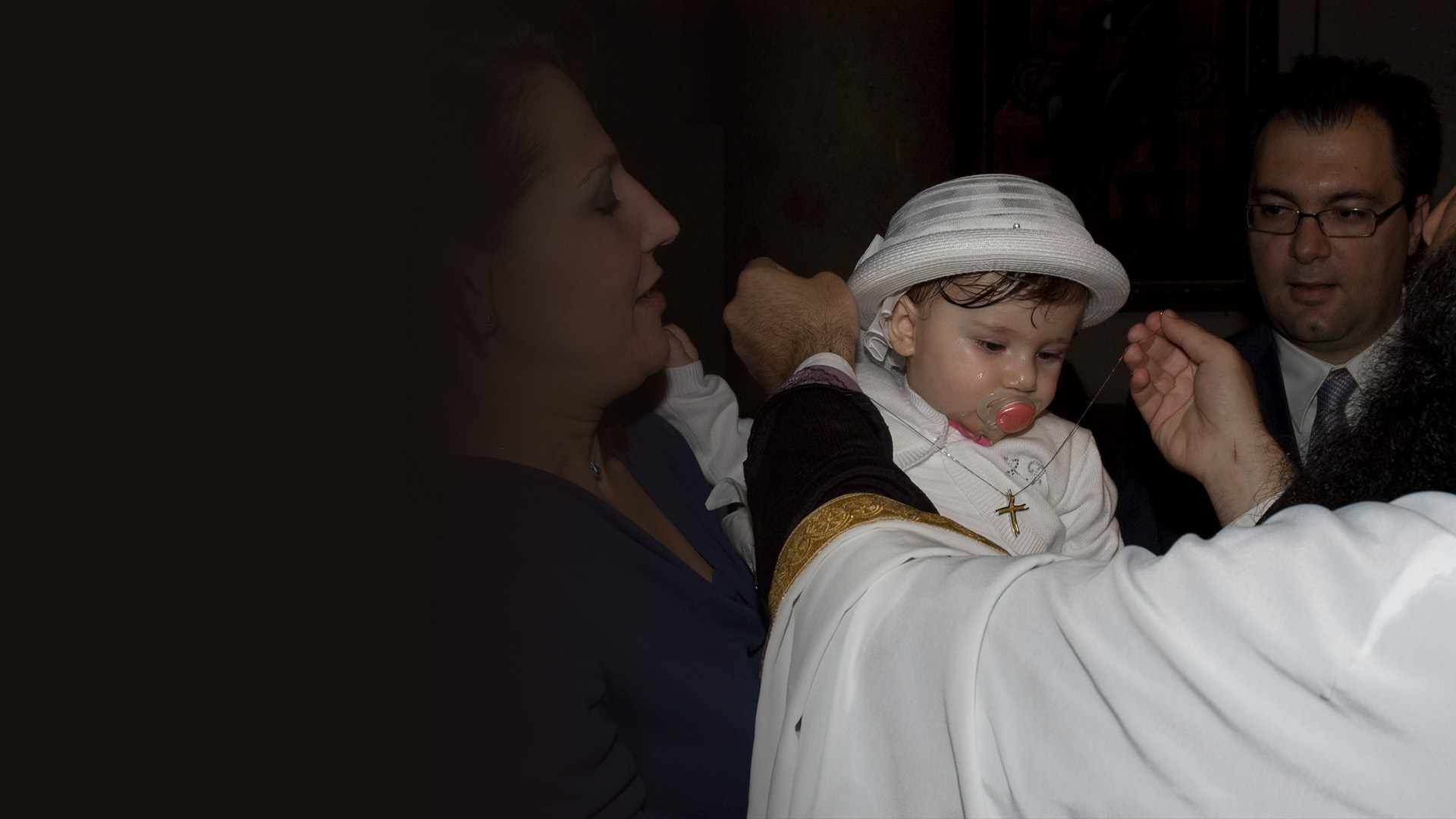
The concept of godparents (or guardians) in the sacrament of baptism has deep roots in the history of the Christian Church. The presence and role of godparents is not merely symbolic or ritualistic; it is closely linked to the spiritual upbringing and guidance of the baptized individual in the Christian life.
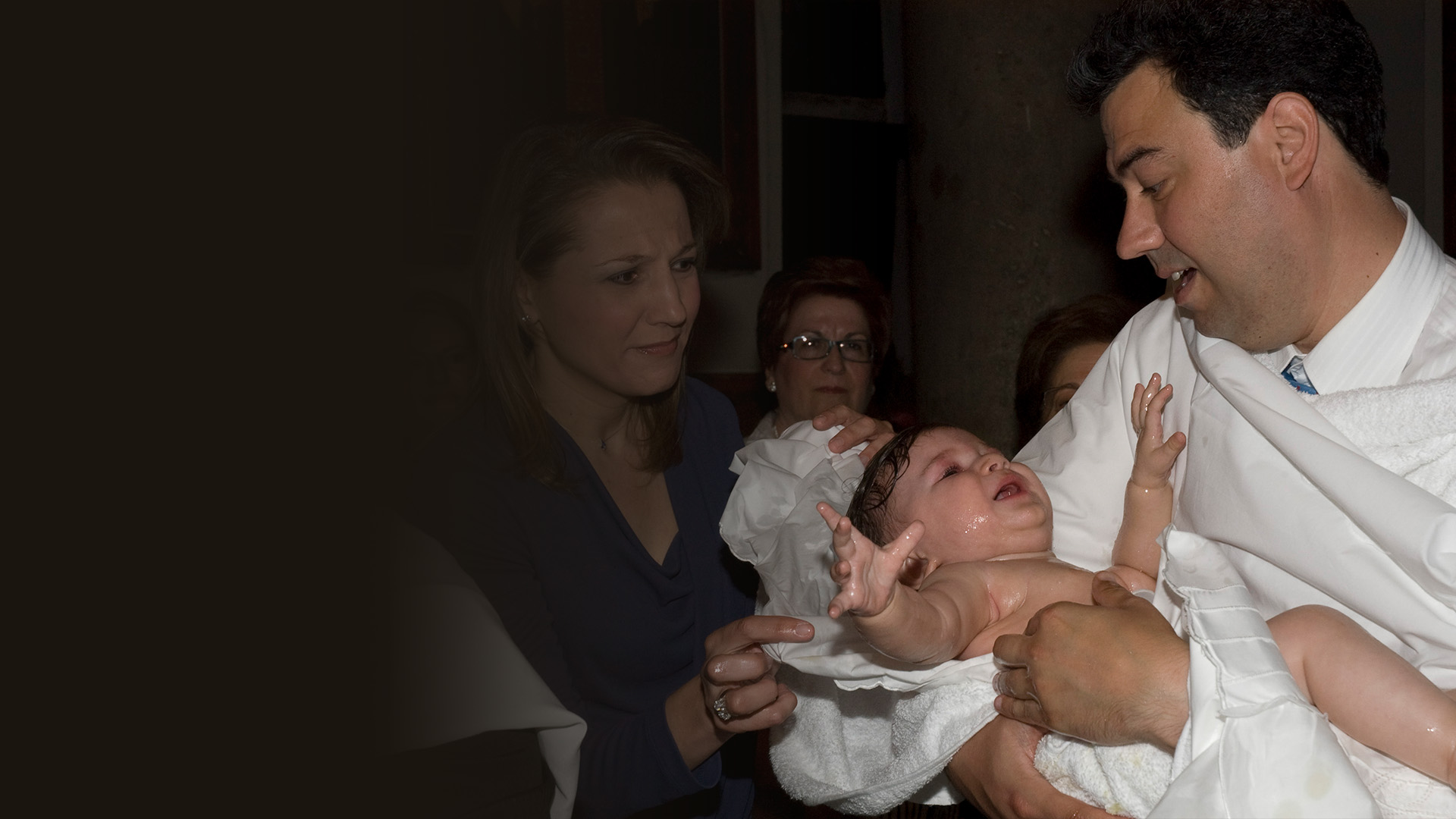
Within the framework of the Orthodox Church, godparents are regarded as spiritual guides who take on the responsibility of supporting the baptized individual—especially the infant—in their journey of life in Christ. In this text, we will delve into the significance and responsibility of godparents, as well as their role in both ecclesiastical and social life.
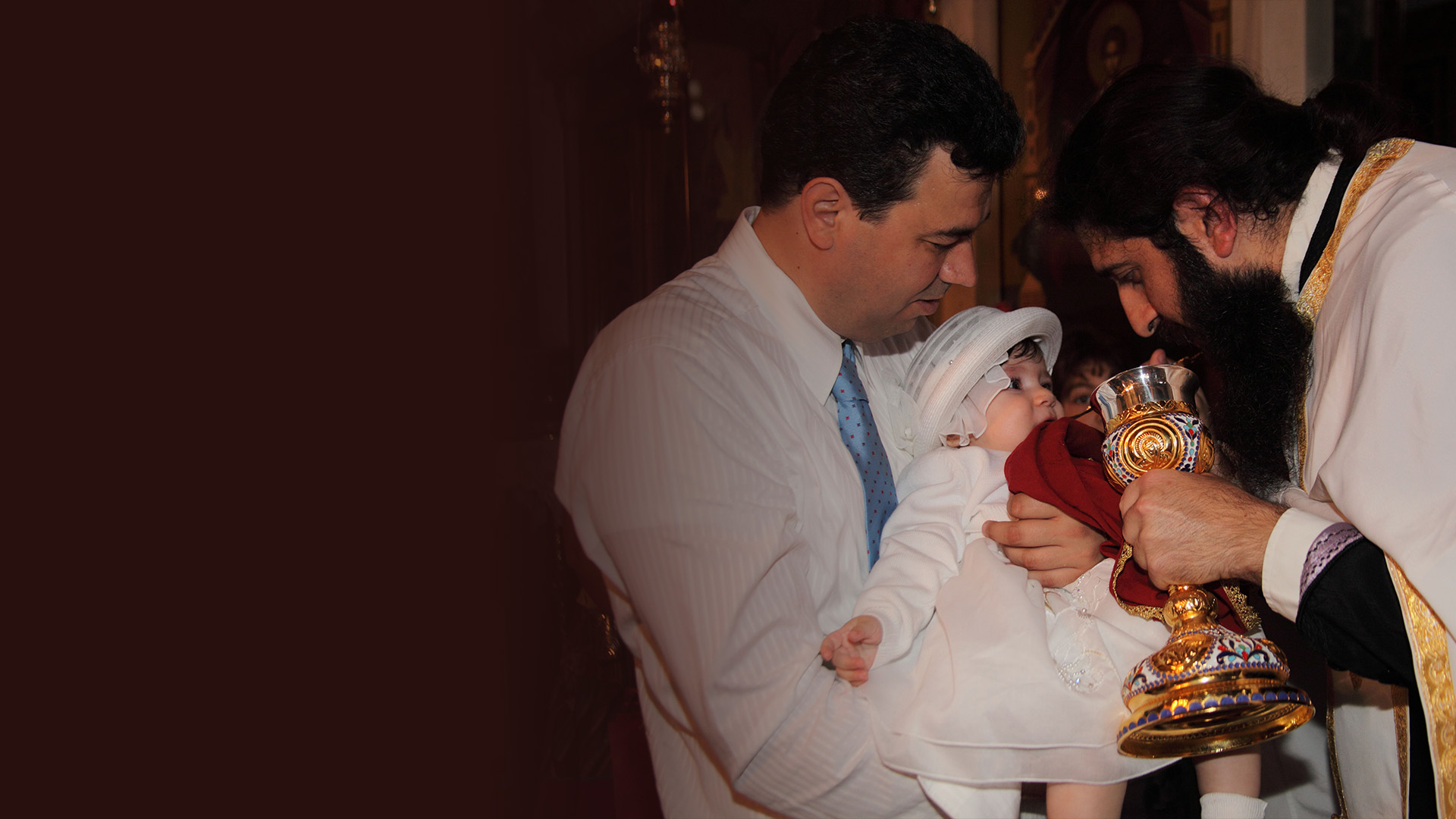
The practice of having godparents in the sacrament of baptism dates back to the early centuries of Christianity. Initially, baptism was primarily performed on adults, who underwent a lengthy period of indoctrination, during which they were taught the fundamental doctrines of the faith. The godparent (or "godfather" as often referred to in ancient sources) was a mature and faithful member of the Church, responsible for ensuring the sincerity and faith of the baptized individual upon their entry into the ecclesiastical community.
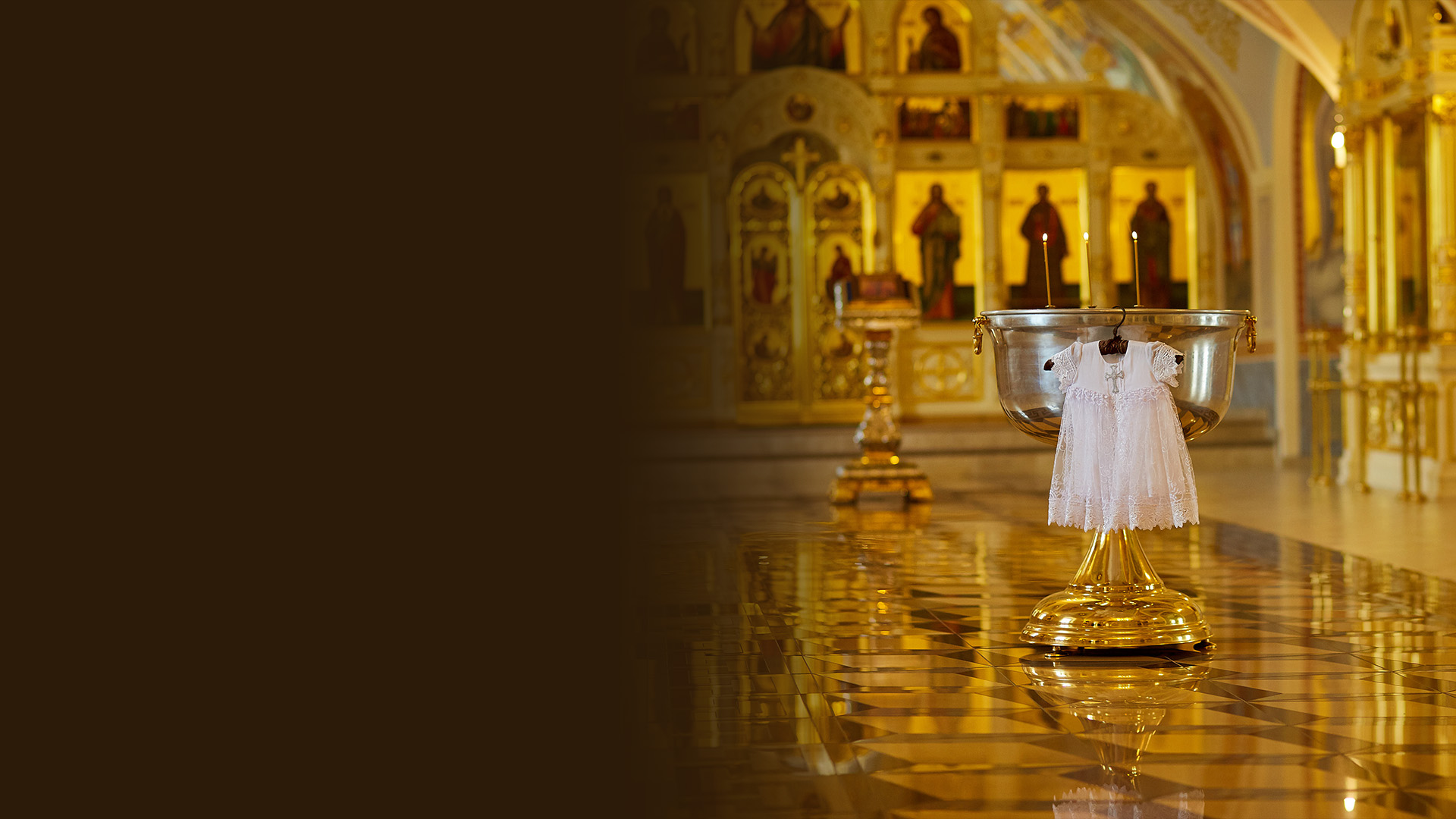
Over time, with the spread of Christianity, the practice of baptizing infants became increasingly common. In this context, the role of the godparent took on a new dimension, as the godparent was no longer simply responsible for confirming the faith of the baptized individual, but also for assuming the spiritual care and upbringing of the infant, who was too young to profess faith on their own.

In the Orthodox Church, the significance of the role of the godparent is rooted in deep theological doctrines. The godparent becomes the spiritual parent of the baptized individual and takes on the obligation to guide them in life according to the Gospel. The Apostle Paul, in his letters, makes many references to the theme of spiritual parenthood and guidance, stating that the Christian is never alone on their journey toward salvation but needs spiritual guides.
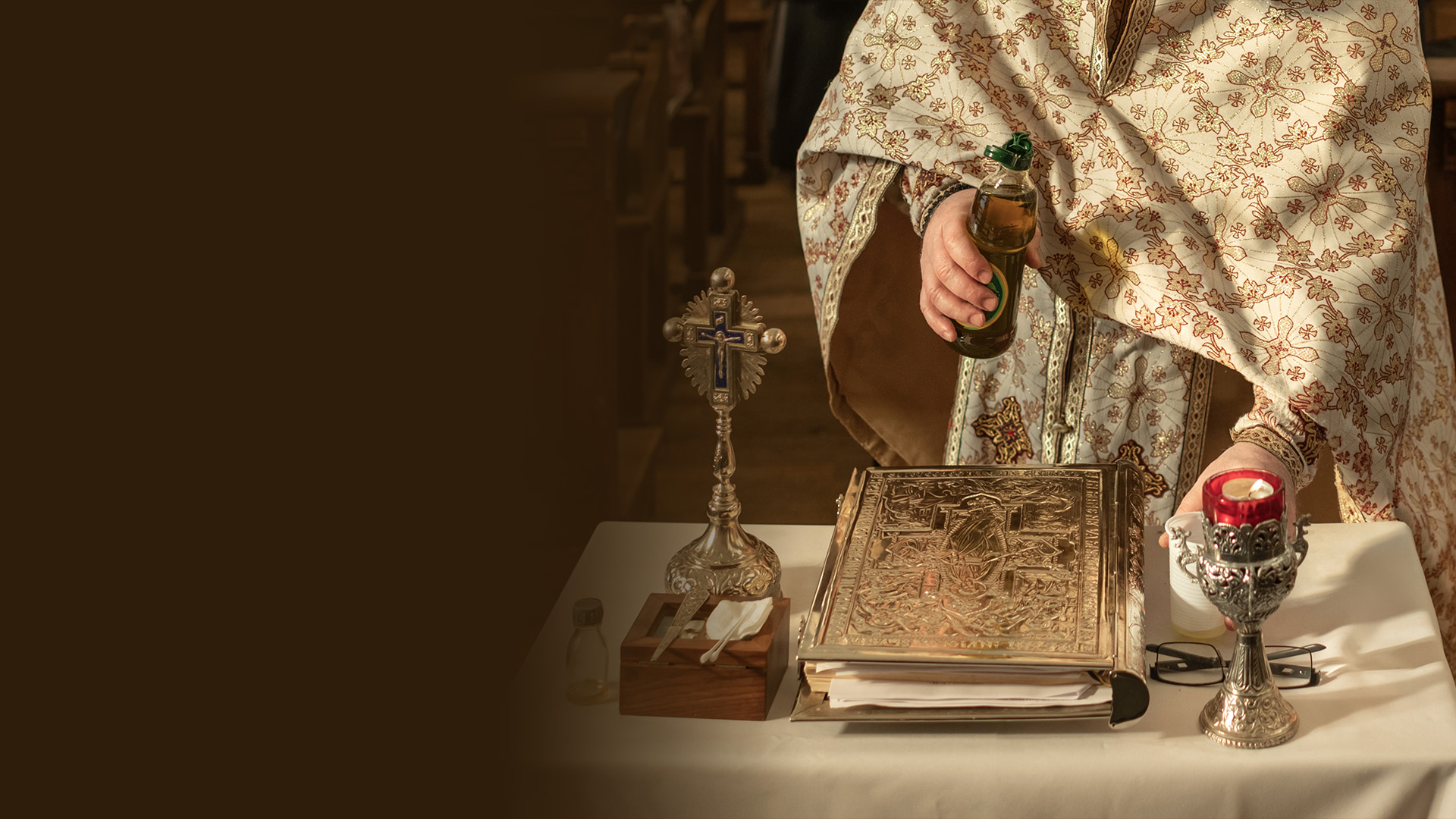
Baptism is one of the most important sacraments of the Orthodox Church. Through it, a person is cleansed from original sin and becomes a member of the Church of Christ. In the baptism of an infant, the godparent is the one who confesses faith on behalf of the child and accepts the responsibilities that come with this act. The primary responsibilities of the godparent are as follows:

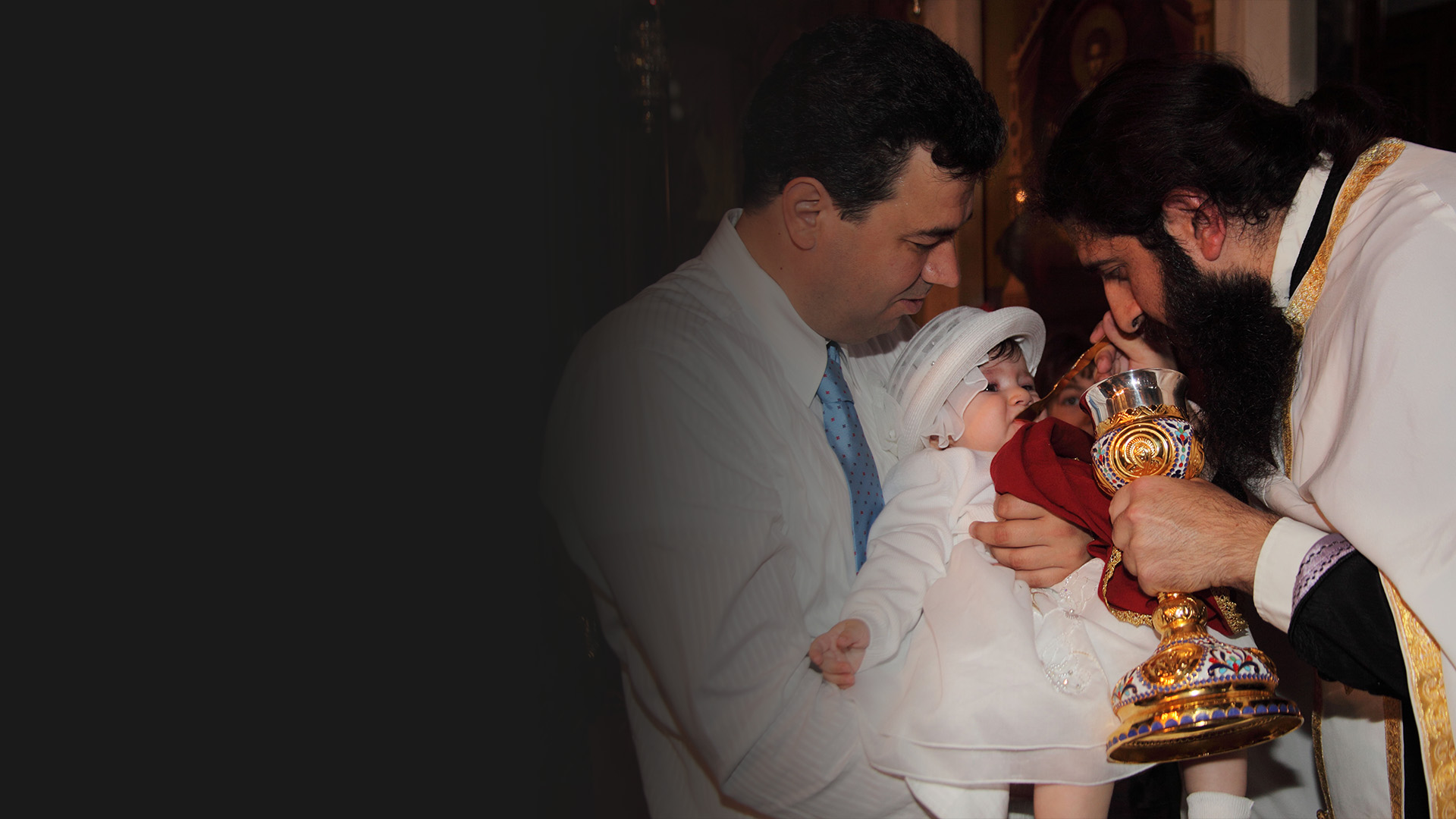
1. Confession of Faith: The godparent, during the sacrament, recites the Nicene Creed ("I believe") on behalf of the infant. This confession is not merely a ritual act, but a public declaration of faith in the Triune God and in the Orthodox Church. The godparent takes on the responsibility to ensure that the child, when they grow up, will understand this faith and follow it.

2. Spiritual Upbringing: After the baptism, the godparent has the obligation to actively participate in the spiritual development of the baptized individual. This means that the godparent should teach the child the fundamental principles of the Christian faith, guide them in Christian virtues, and set an example through their own life. The relationship between the child and the godparent is a lasting, spiritual bond, not something that is limited to just the day of the sacrament.

3. Participation in the Life of the Church: The godparent is called to help the child actively participate in the life of the Church. This means that the godparent has the responsibility to guide the child toward Holy Communion, the feasts, and the sacraments of the Church. Especially during the child's first times receiving Communion, the godparent is usually present to support them and help them understand the significance of this act.
4. Prayer and Support: One of the most important roles of the godparent is to pray for the baptized child and to provide spiritual support throughout their life. This prayer is not merely a ritual act, but an essential expression of the love and care that the godparent must have for the child. Praying for the guidance and spiritual well-being of the baptized individual is an important aspect of the godparent's responsibility.

5. Guidance in Difficult Times: Spiritual guidance is necessary not only during joyful moments but also in challenging ones. The godparent should be present during the spiritual challenges that the baptized individual may face, offering advice, support, and guidance based on Christian principles.
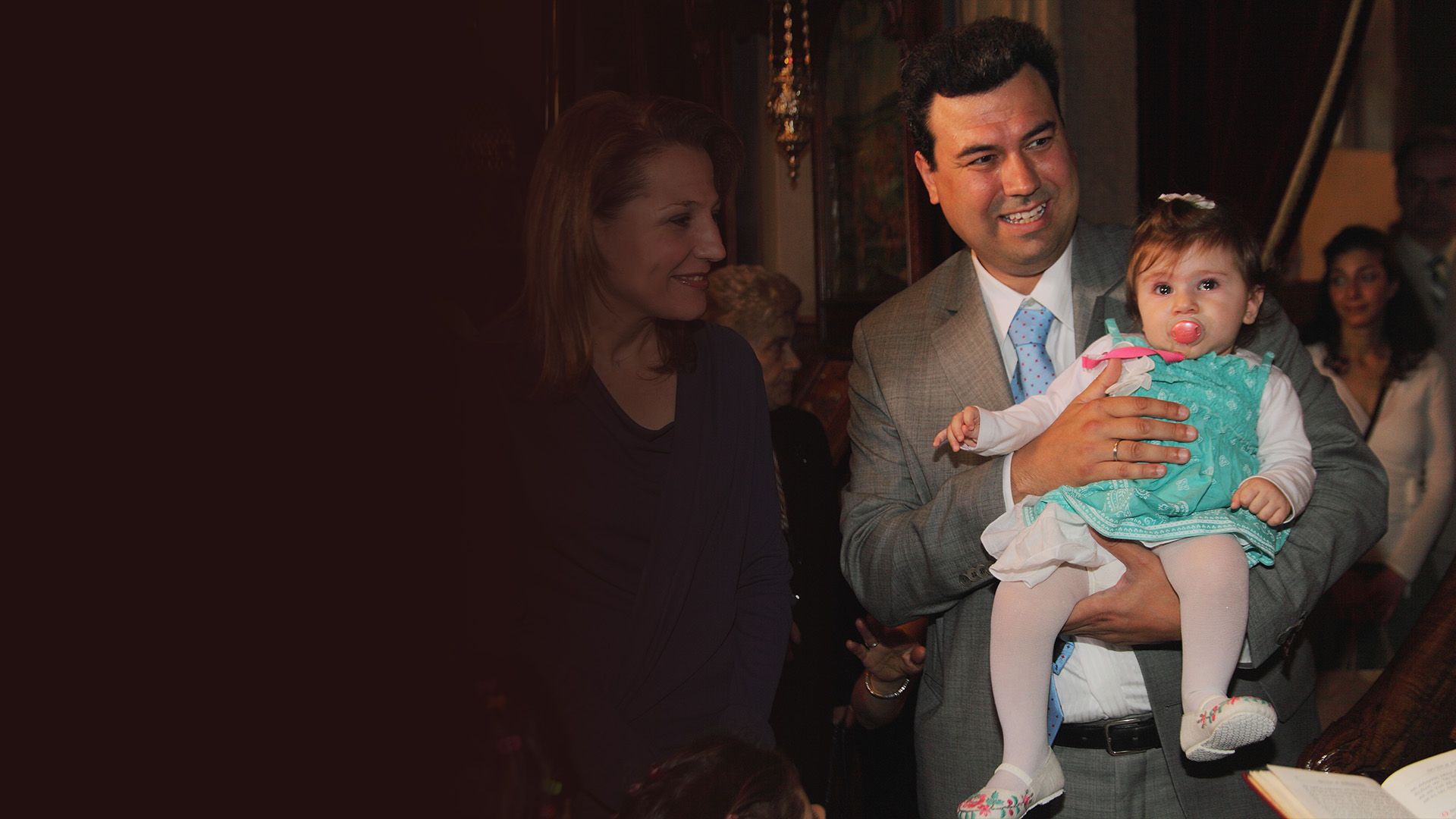
The relationship between the godparent and the baptized individual is characterized as a spiritual parental relationship. In the Orthodox Church, this bond is considered sacred and enduring, sometimes transcending even biological family ties. The godparent is not merely a "witness" to the sacrament, but takes on a spiritual responsibility for the rest of the baptized individual's life.
The godparent must provide a Christian example of life for the baptized individual. The way they live, the values they promote, and their actions all impact the child. The godparent is called to live a life according to the Gospel, so as to serve as a model for the child. This means that the godparent must actively participate in the life of the Church, follow the commandments of Christ, and seek their own spiritual growth.

The support of the godparent is not only spiritual but also practical. The godparent should be present in the life of the baptized individual, assisting them with everyday challenges and providing a stable foundation of guidance and support.

Beyond their spiritual dimension, godparents play an important social role, especially in traditional societies. In most cultural traditions, godparents are regarded as family members and maintain close relationships with the baptized individual and their family. This strengthens the social bond and provides the child with an additional source of support and care beyond their biological parents.
In many societies, godparents are invited to participate in significant moments of the child's life, such as weddings, school graduations, and other personal or family celebrations. This social responsibility, combined with the spiritual one, makes godparents important figures both in the family and in the community.

Modern society presents new challenges for godparents, as the relationship between the baptized individual and the godparent can be eroded by busy daily lives or the distance that often separates people. Despite these difficulties, the responsibilities of godparents remain unchanged.
Design & Development
Pachtas Nikolaos & SIA O.E.