
CHRISM MEAN?
SIGNIFICANCE
OF THE
SACRAMENT
OF CHRISM
OF THE
HOLY SPIRIT
THE ORTHODOX
CHURCH
OF CHRISM
MYRRH
CONTEXT
AND BIBLICAL
FOUNDATION
OF CHRISM
LIFE OF THE
FAITHFUL
Sacrament of Chrism
Foundation of Chrism


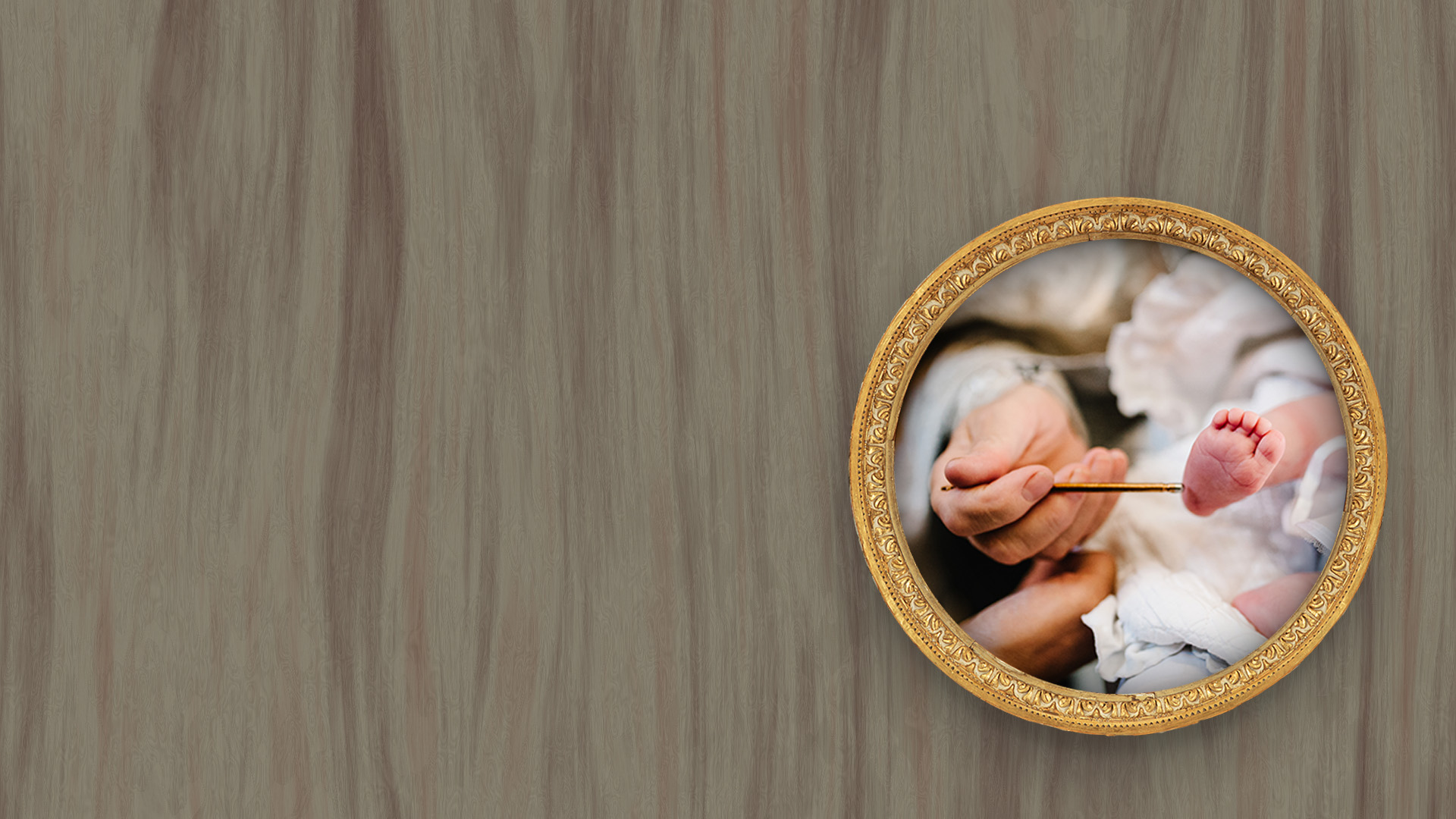
The sacrament of Chrism is one of the seven Holy Sacraments of the Orthodox and Catholic Churches, playing a central role in the spiritual life of the faithful.
It is one of the most profound and significant rituals of the Christian faith, connecting the faithful with the Holy Spirit and strengthening their relationship with God.

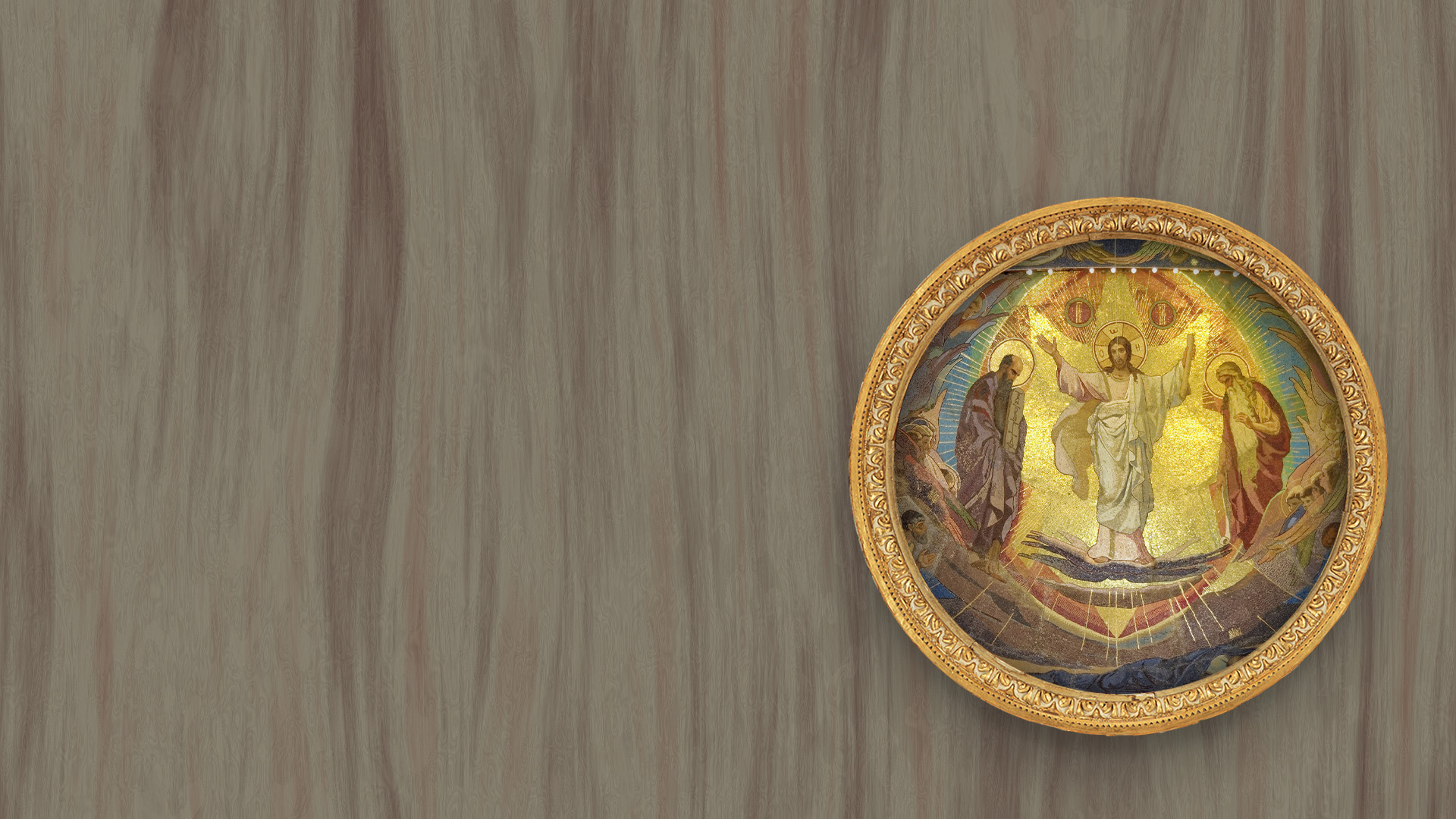
Together with Baptism and the Holy Eucharist, Chrism constitutes the fundamental foundation of Christian life and the believer's participation in the grace of the Holy Spirit.
Chrism is one of the five "sacraments" of the Orthodox Church that are not repeated, and its administration holds great significance for the spiritual life of the individual.

The purpose of this app is to provide an in-depth presentation of the sacrament of Chrism in the Orthodox Church, covering its theology, historical development, liturgy, the gifts of the Holy Spirit, and its impact on the lives of the faithful.

The word «χρίω»("chrio") means to anoint, which is why it is referred to as Chrism (anointing).
The sacrament of Chrism is performed by a bishop or priest. It is a sacrament closely linked to the sacrament of Baptism.
It cannot exist independently of Baptism; it is self-contained and not repeated. An exception is made if an Orthodox person strays and follows another religion.
However, if they repent, they can be accepted back into the Orthodox Church through the anointing with Holy Myrrh, just like others who come from Christian denominations to Orthodoxy.
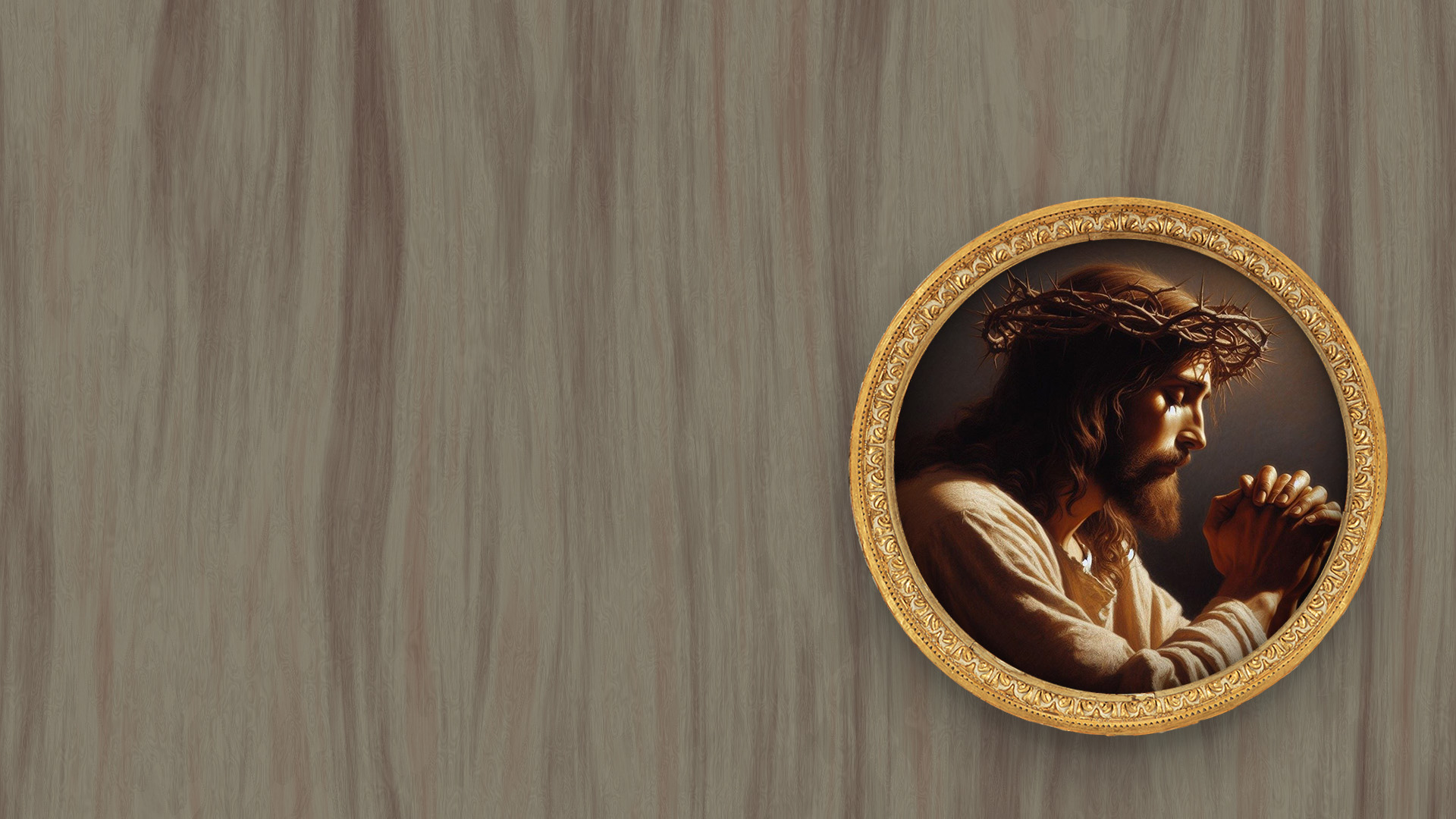
In the New Testament, the Son of God is called "the Christ," meaning "the Anointed One," signifying that He is God's chosen one, fully united with the Holy Spirit.

The theology of Chrism focuses on the idea that through this sacrament, the believer receives the gifts of the Holy Spirit and is strengthened to live as a true Christian.
It is one of the fundamental acts of initiation in the Orthodox Church, alongside Baptism and the Holy Eucharist.

Chrism provides the faithful with the "seal" of the Holy Spirit, empowering them for spiritual battle against temptations and enabling them to bear witness to Christ.
Just as Baptism cleanses them from sin and introduces them to the Church, Chrism grants them the power of the Holy Spirit to live their new life according to God's commandments.

In Orthodox tradition, Chrism is administered immediately after Baptism. According to the teachings of the Orthodox Church, through Chrism, the believer receives the seven gifts of the Holy Spirit: wisdom, understanding, knowledge, piety, strength, counsel, and fear of God.
These gifts are fundamental for the spiritual growth of the believer and their ability to live a life that is pleasing to God.
Thus, Chrism is an act of empowerment and guidance from the Holy Spirit, providing the believer with the necessary tools to face the challenges of Christian life.

Through Chrism, the Christian receives the seven traditional gifts of the Holy Spirit, as described in the New Testament and further developed in Christian theology. These gifts are Wisdom, Understanding, Knowledge, Piety, Strength, Counsel, and Fear of God. Each of these gifts empowers the believer to live a life that is pleasing to God and also follows His commandments.

Wisdom: Wisdom allows the believer to see the world through God's eyes and to understand the divine sacrament more deeply.

Understanding: Through understanding, the believer learns to judge rightly in everyday decisions, choosing what is right and avoiding what is wrong.

Knowledge: The gift of knowledge helps the believer to understand the creation and the divine plans revealed through nature and divine revelation.

Piety: Piety strengthens the believer's love and devotion to God, instilling in them a desire to serve Him with heartfelt gratitude.

Strength: Strength gives the believer the power to face spiritual and moral challenges and to overcome the difficulties of life with faith.

Counsel: Counsel provides insight and guidance, enabling the believer to follow the direction of the Holy Spirit.
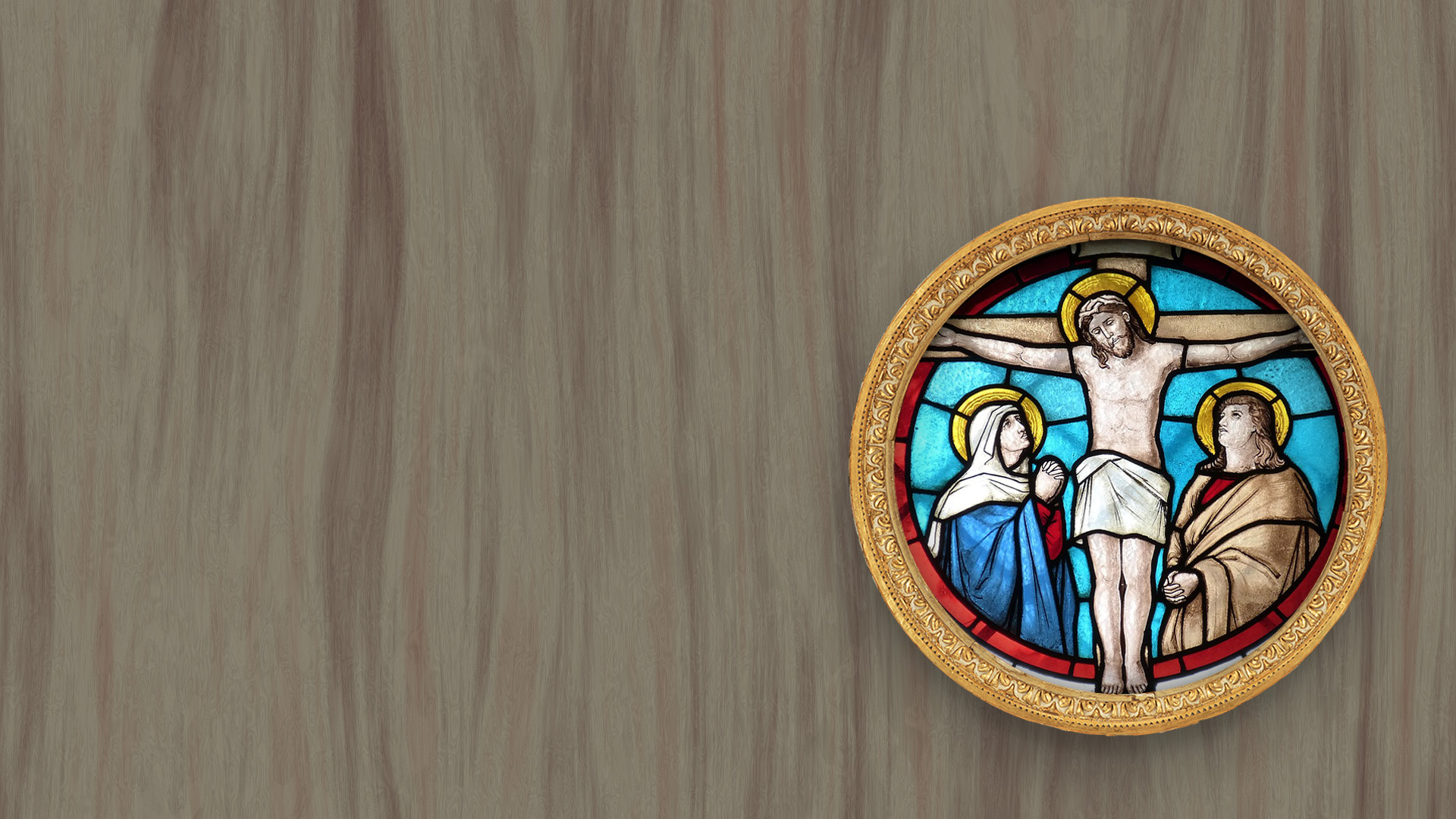
Fear of God: The fear of God is not a fear of punishment, but a deep respect and awareness of God's greatness and holiness.
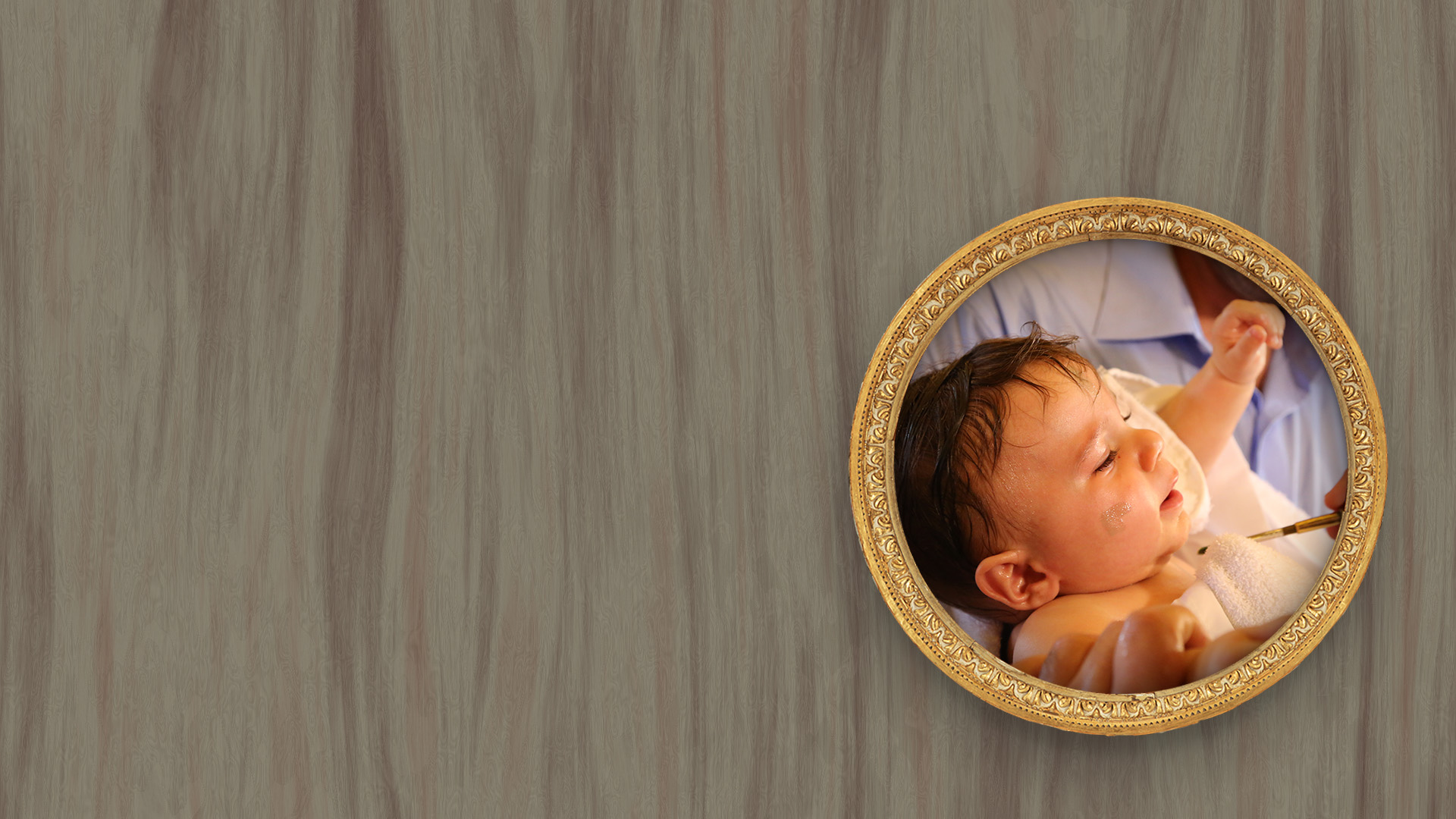
In the Orthodox Church, Chrism is closely linked to Baptism and is considered the second of the three sacraments of initiation (Baptism, Chrism, and Holy Eucharist).
It is usually administered immediately after Baptism, even to infants, and symbolizes the descent of the Holy Spirit upon the newly baptized.
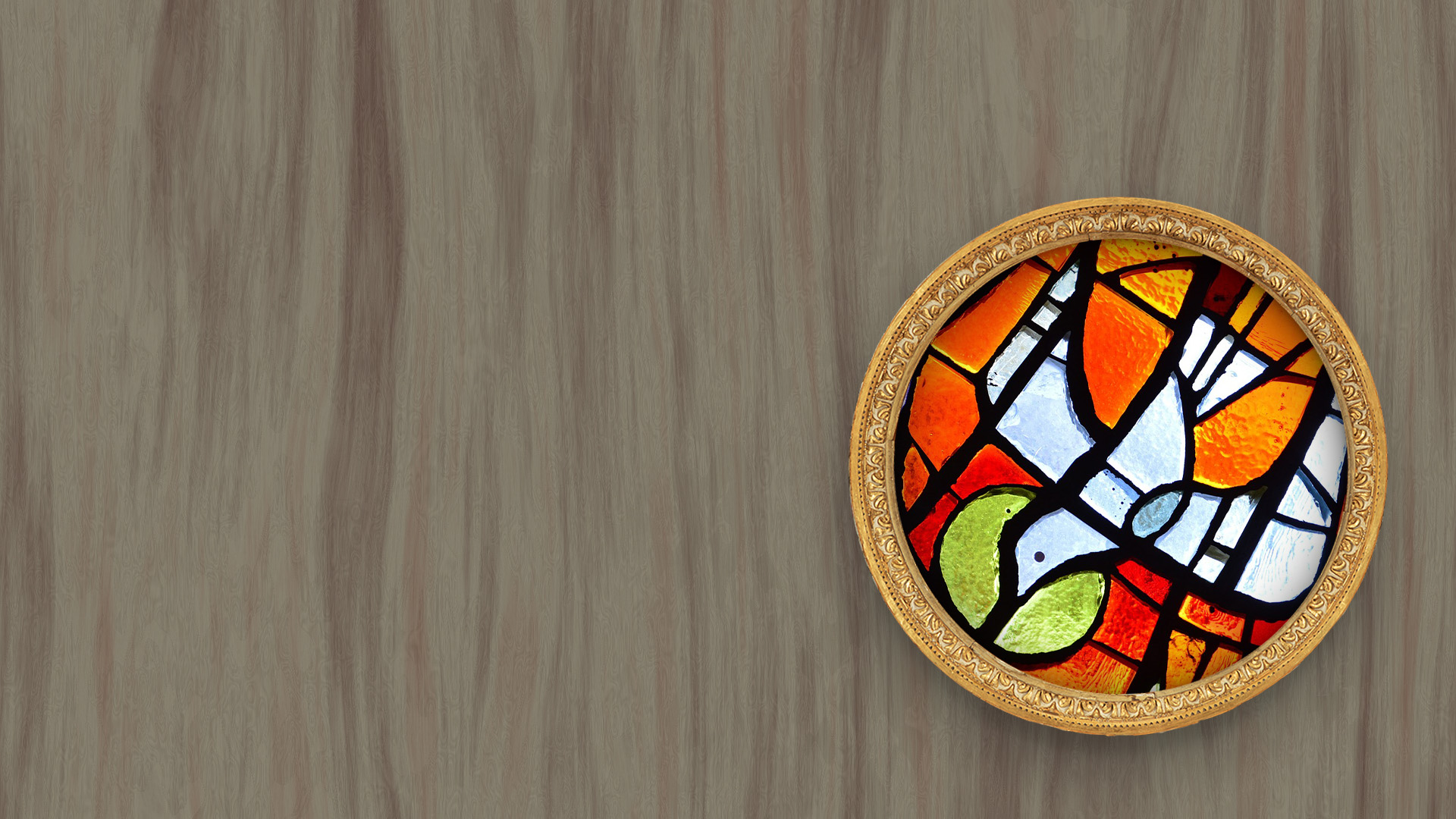
The Orthodox Church places great emphasis on the participation of all believers in the Holy Spirit through Chrism.
While the act of Chrism is performed by a priest or bishop, the grace itself comes from the Holy Spirit, which works invisibly within the believer.
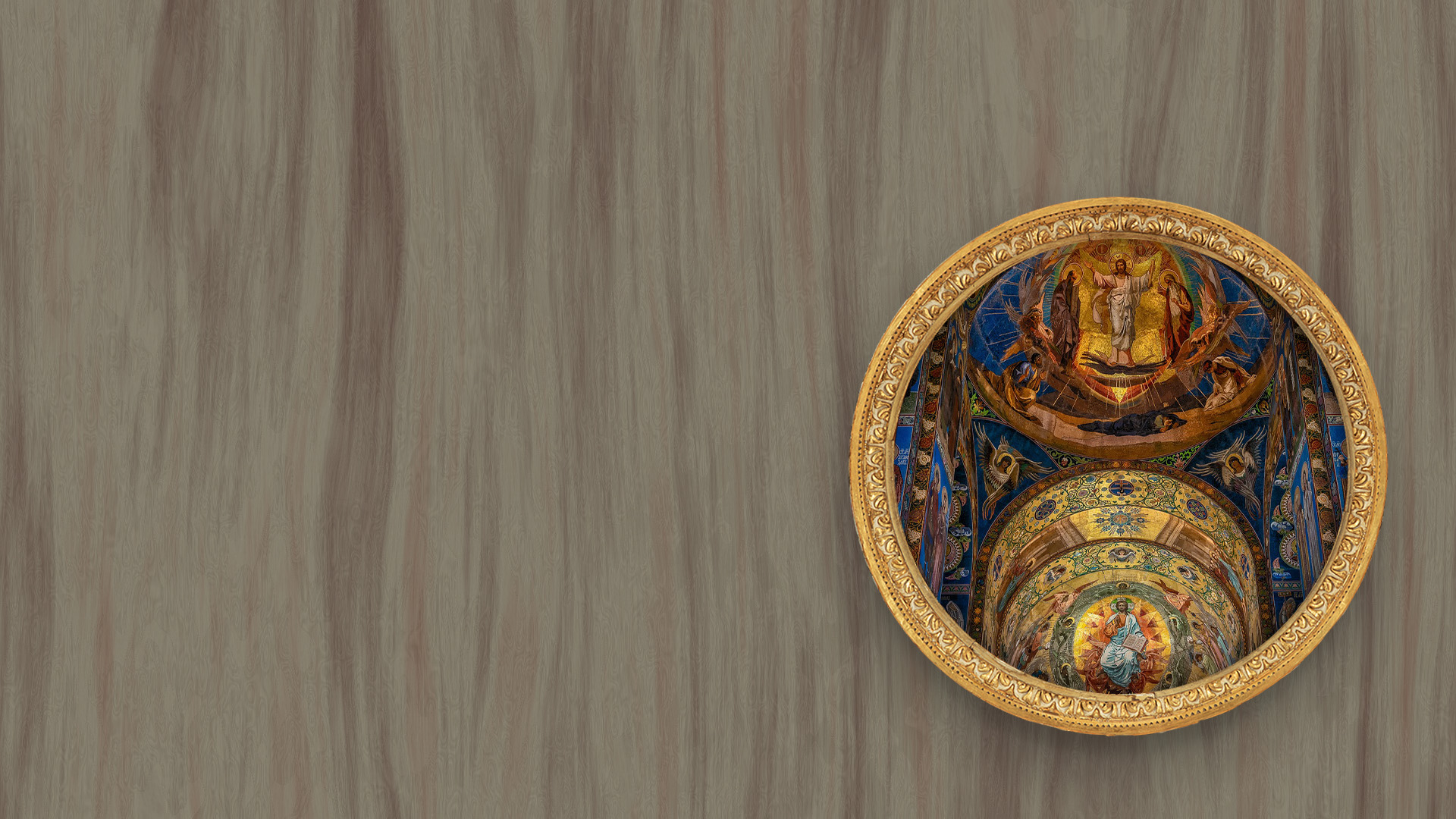
The rite of Chrism in the Orthodox Church is rich in symbolism and holds deep spiritual significance.
It is usually performed immediately after the sacrament of Baptism, following a series of specific actions that highlight the significance of the sacrament.
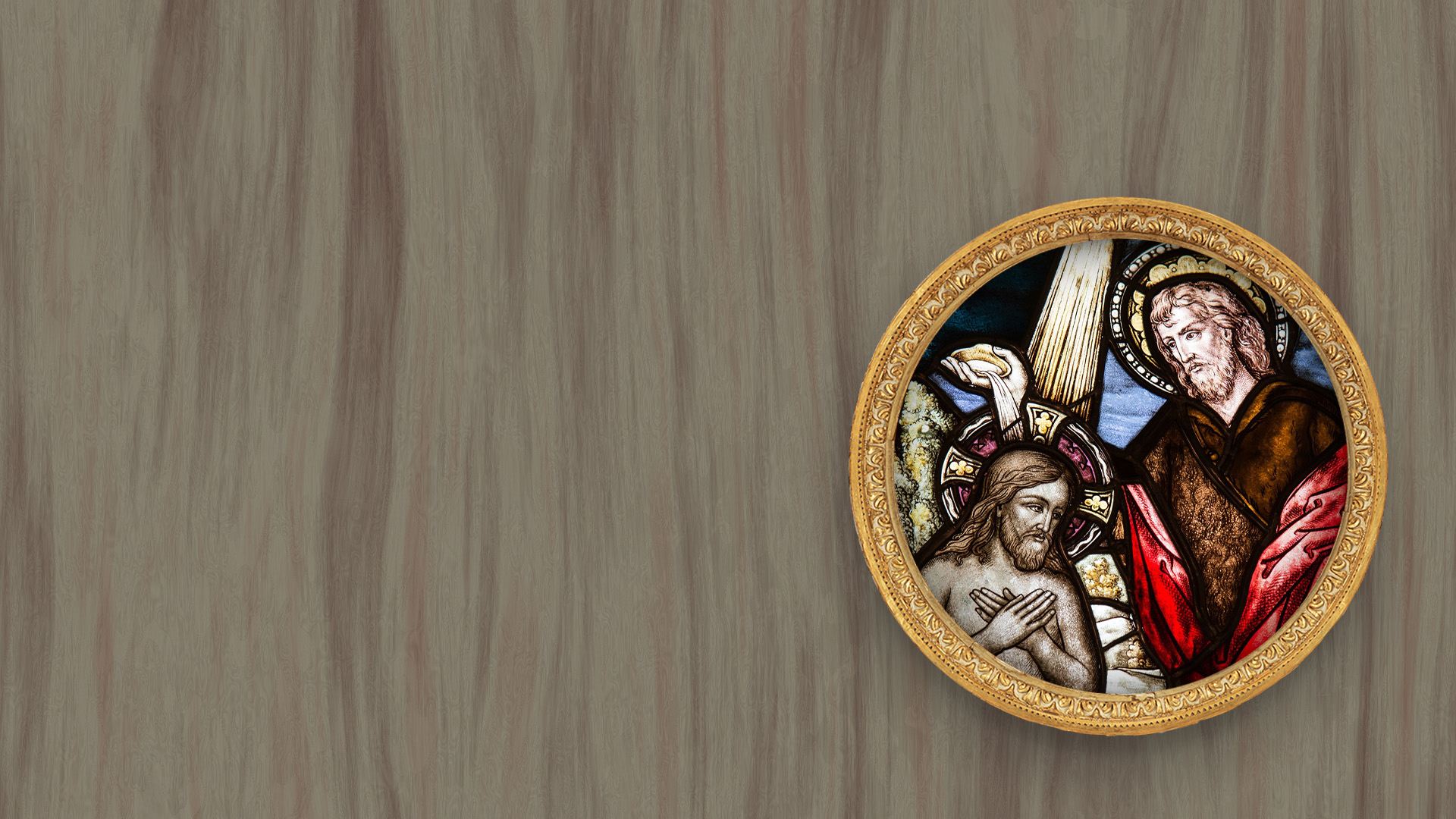
Preparation:
Before Chrism, the newly baptized has already received Baptism, which has cleansed them from original sin and their personal sins.
This cleansing represents the first phase of their spiritual rebirth, and Chrism follows as the next phase, providing the believer with the grace and strength of the Holy Spirit.

The anointing:
The priest anoints the baptized individual with Holy Myrrh on various parts of the body, reciting the prayer: "Seal of the gift of the Holy Spirit. Amen."
The anointing is done on various parts of the body: the forehead, eyes, nostrils, mouth, ears, chest, hands, and feet. Each part of the body anointed with Holy Myrrh has its own symbolic significance:

The forehead:
It symbolizes the cleansing of thoughts and the complete dedication of the mind to God.

The eyes:
They symbolize the purity of vision, enabling the believer to see with the eyes of faith.

The nostrils:
They symbolize the purity of the senses and the believer's ability to discern good from evil.

The mouth:
It symbolizes the purity of speech and the use of the tongue for the glorification of God and the expression of truth.

The ears:
They symbolize hearing, so that the believer may listen to the Word of God and follow it.

The chest:
It symbolizes the purity of the heart and emotions, enabling the believer to have a pure heart and love for God and neighbor.

The hands:
They symbolize the purity of actions and the believer's desire to do God's will.

The feet:
They symbolize the believer's journey toward God and their dedication to spiritual life.

Sealing of the gift:
The phrase "Seal of the gift of the Holy Spirit," which is repeated during the anointing, signifies the "seal" of the Holy Spirit that is imprinted on the believer.
This seal is not merely symbolic, but real and spiritual, as the person now belongs to Christ and bears the seal of His grace.
This seal strengthens the believer in their daily life and provides the spiritual resources to face temptations and challenges.

Chrism is administered using Holy Myrrh, a specially consecrated aromatic oil that holds profound symbolic significance.
Holy Myrrh is composed of oil and approximately forty aromatic herbs, such as rose, basil, rosemary, jasmine, etc., and symbolizes the many and varied gifts of the Holy Spirit.

Holy Myrrh is prepared at the Ecumenical Patriarchate of Constantinople and consecrated in the Patriarchal Church of St. George every Maundy Thursday(Holy Thursday), during a ceremony in which the Patriarch and other Hierarchs concelebrate. From there, local bishops take it and distribute it to their metropolises, from which priests receive it for their parishes and keep it in special chrism containers in each church within the sanctuary. Holy Myrrh is also used during the consecration of churches, when the Bishop anoints the Holy Table, the walls of the newly consecrated church, and the sacred vessels.

The use of Holy Myrrh is essential for Chrism. Through it, the believer is anointed and receives the Holy Spirit. The significance of Myrrh lies in the fact that it is not merely a fragrance, but is consecrated and conveys the grace of God. Holy Myrrh represents the spiritual fragrance that fills the believer's soul, as well as the spiritual purity they are called to maintain in their life.

Anointing with oil played a significant role in the ceremonies of ancient Israel, primarily for kings, priests, and prophets.
The anointing symbolized the selection and empowerment of the individual by God to carry out a specific mission.
In the Old Testament, the anointing of David by Samuel (1 Samuel 16:13) was an act of consecration that marked the beginning of his royal mission and the descent of the Spirit of the Lord upon him.
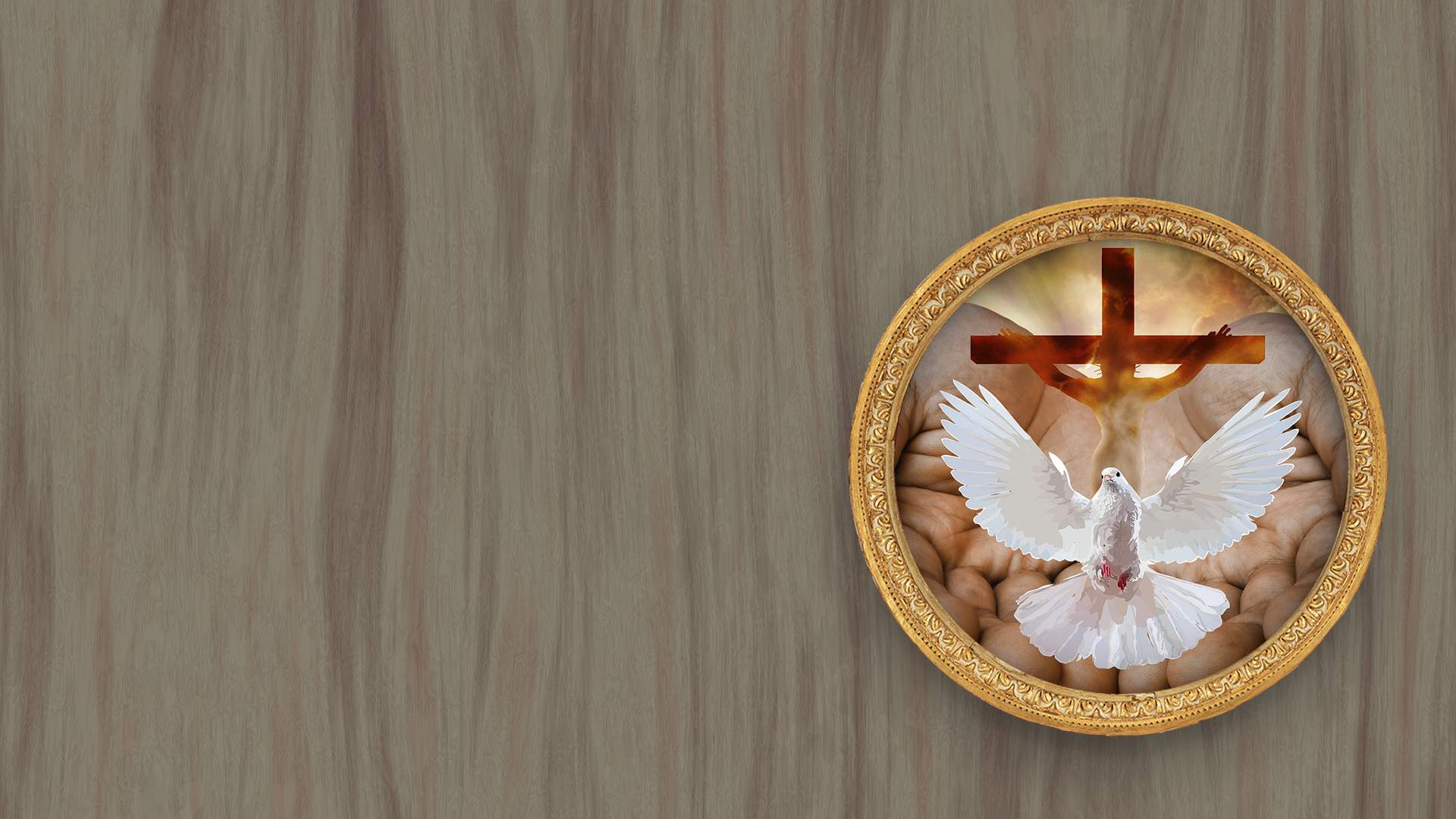
The practice of anointing continues in the New Testament with new spiritual dimensions. Christ is referred to as "Christ," meaning "the Anointed One," as the chosen of God who carries the fullness of the grace of the Holy Spirit.
Pentecost serves as the foundation for the Christian understanding of Chrism, as the Holy Spirit descended upon the Apostles and empowered them to spread the message of Christ throughout the world.
This spiritual empowerment through the Holy Spirit is the central element of the sacrament of Chrism.

Great Fathers of our Church, such as St. Dionysius the Areopagite, a disciple of the Apostle Paul, as well as the martyr and philosopher Justin, St. Cyril of Jerusalem, and others, have spoken and written about the sacrament of Chrism.

The sacrament of Chrism is not just a ceremony limited to the moment of Baptism; it has timeless significance for the spiritual life of the believer.
Through Chrism, the believer receives the gifts of the Holy Spirit, which they are called to develop and cultivate throughout their life.
These gifts include faith, hope, love, patience, self-control, and wisdom, and they serve as essential tools for the Christian journey.

Chrism enables the believer to fully participate in the life of the Church, particularly in Holy Communion.
Without Chrism, the believer would not be able to participate in Holy Communion, which is the highest form of union with Christ.

The sanctity of the sacrament of Holy Chrism is deeply rooted in our people.
According to our people's traditions, parents and godparents collect the garments of the newly baptized, which have remnants of Holy Chrism on them, and wash them either in the sea or ensure that the washing water is poured in a place that will not be stepped on by animals or people.

This tradition is a testament to the piety of Orthodox Christians and expresses the honor and respect towards the sacred aspects of our Faith.
Design & Development
Pachtas Nikolaos & SIA O.E.