
THE OLD
TESTAMENT
THE NEW
TESTAMENT
THE CHRISTIAN
RELIGION
SANCTIFICATION
OF WATER IN
SPIRITUAL LIFE
AND SYMBOLISM
OF WATER IN
ANCIENT GREEK
RELIGION
in Spiritual Life
of Water in the Ancient
Greek Religion
purity and purification
and the Namata


Water is one of the most powerful and ancient symbols in many religious traditions, occupying a central role in the Christian religion. From ancient times to the present, water has been associated with purification, renewal, life, and salvation. Its use in religion, particularly in the sacraments of the Church, is deeply intertwined with profound theological and symbolic meanings.

In this application, we will examine the multifaceted significance and symbolism of water in the Christian religion. Starting from the Old Testament and extending to modern church tradition, water remains a symbol of life, purity, rebirth, as well as power and judgment.
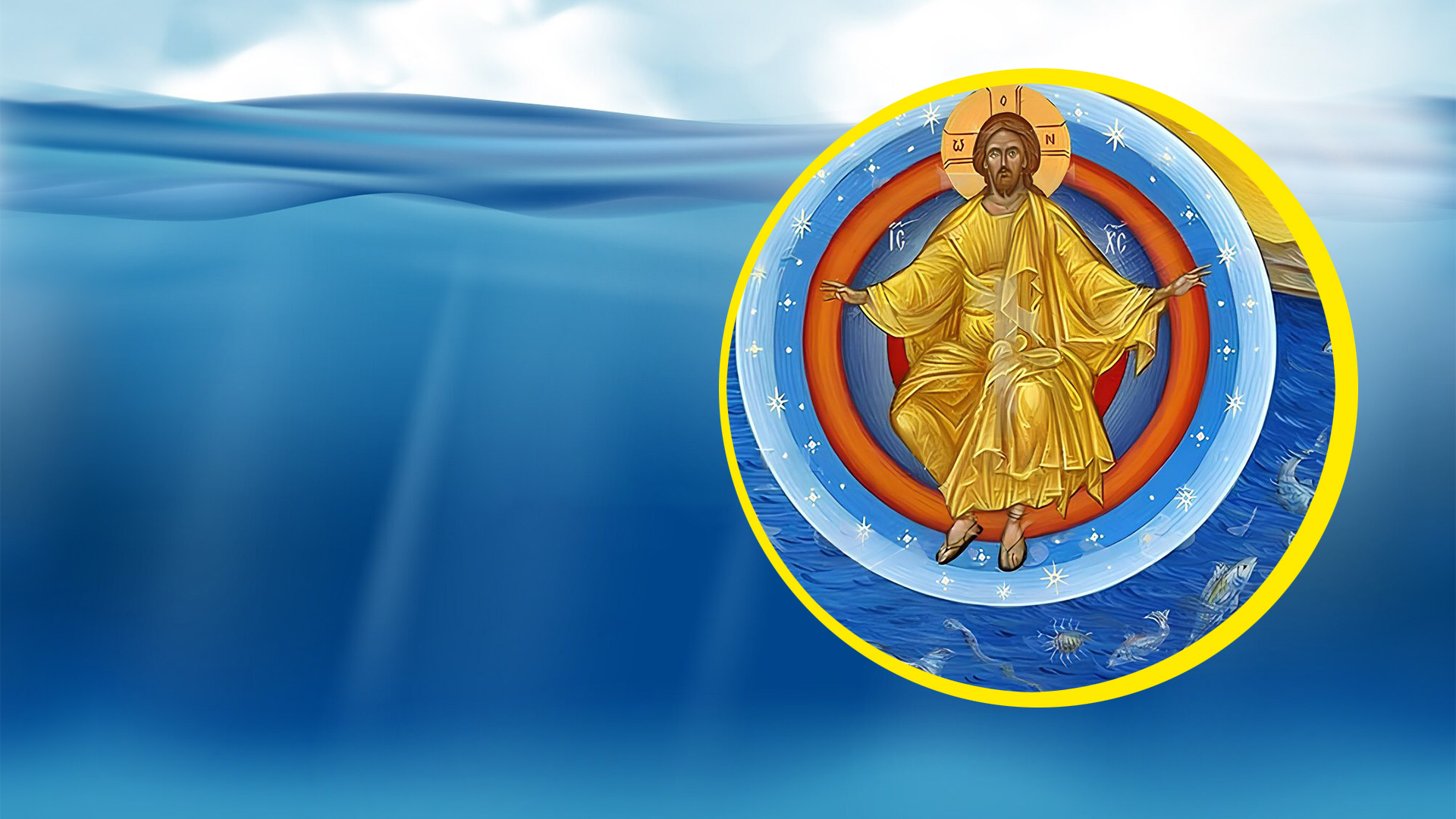
The first major appearance of water in the biblical tradition is found in Genesis, during the narrative of the creation of the world:
«Πνεύμα Θεού επεφέρετο επάνω του ύδατος» ("the Spirit of God was hovering over the waters.")(Gen. 1:2).
Here, water appears before the rest of creation, symbolizing chaos, the formless, and the unordered, upon which God intervenes to bring order and life.
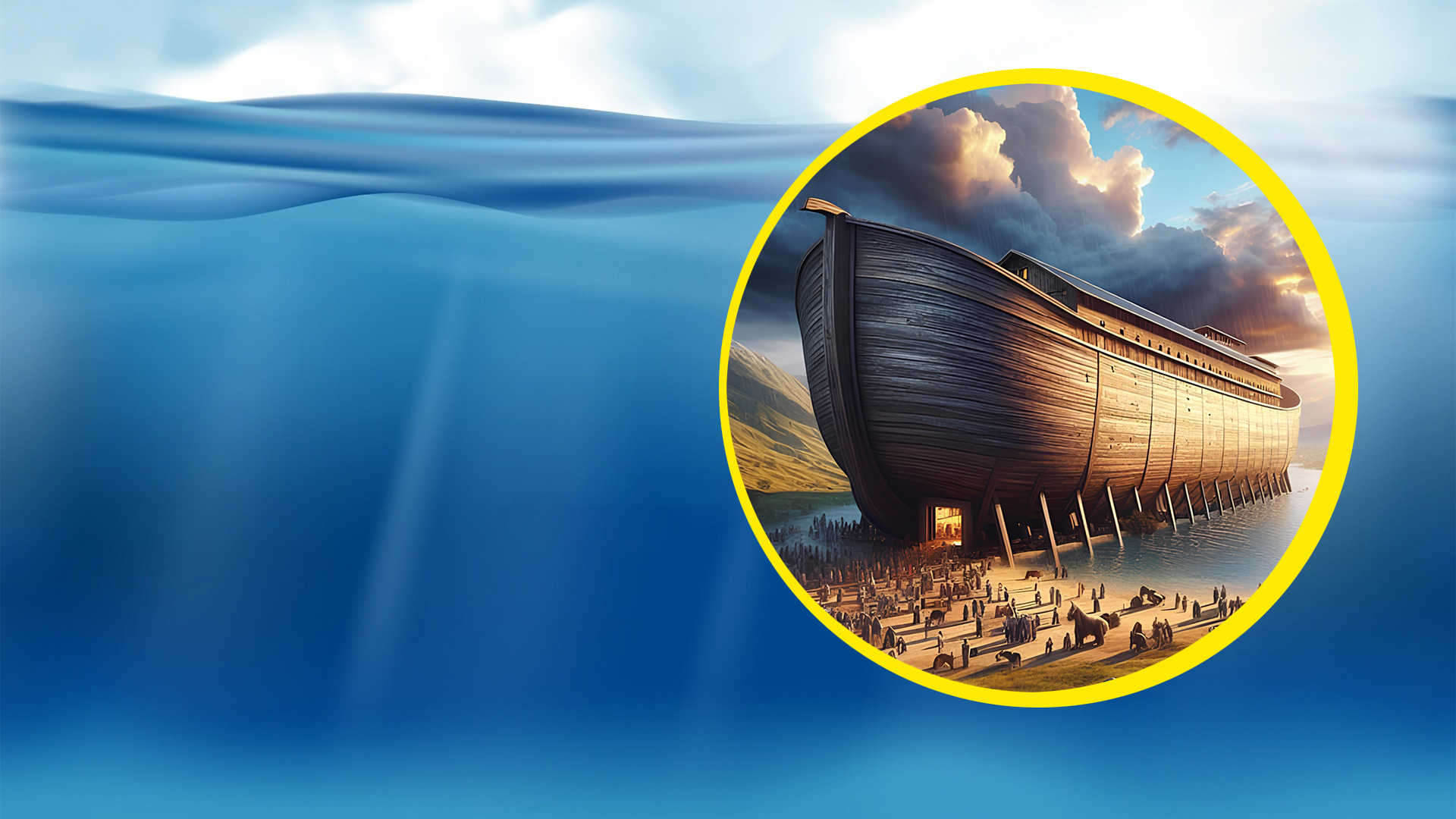
Next, the Old Testament provides us with the example of the Flood during the time of Noah. God decides to cleanse sinful humanity through water, which serves as a means of judgment and recreation. The Flood is one of the strongest symbols of water as a force of both cleansing and destruction, illustrating the dual nature of water in religious tradition: as a bearer of both life and death.
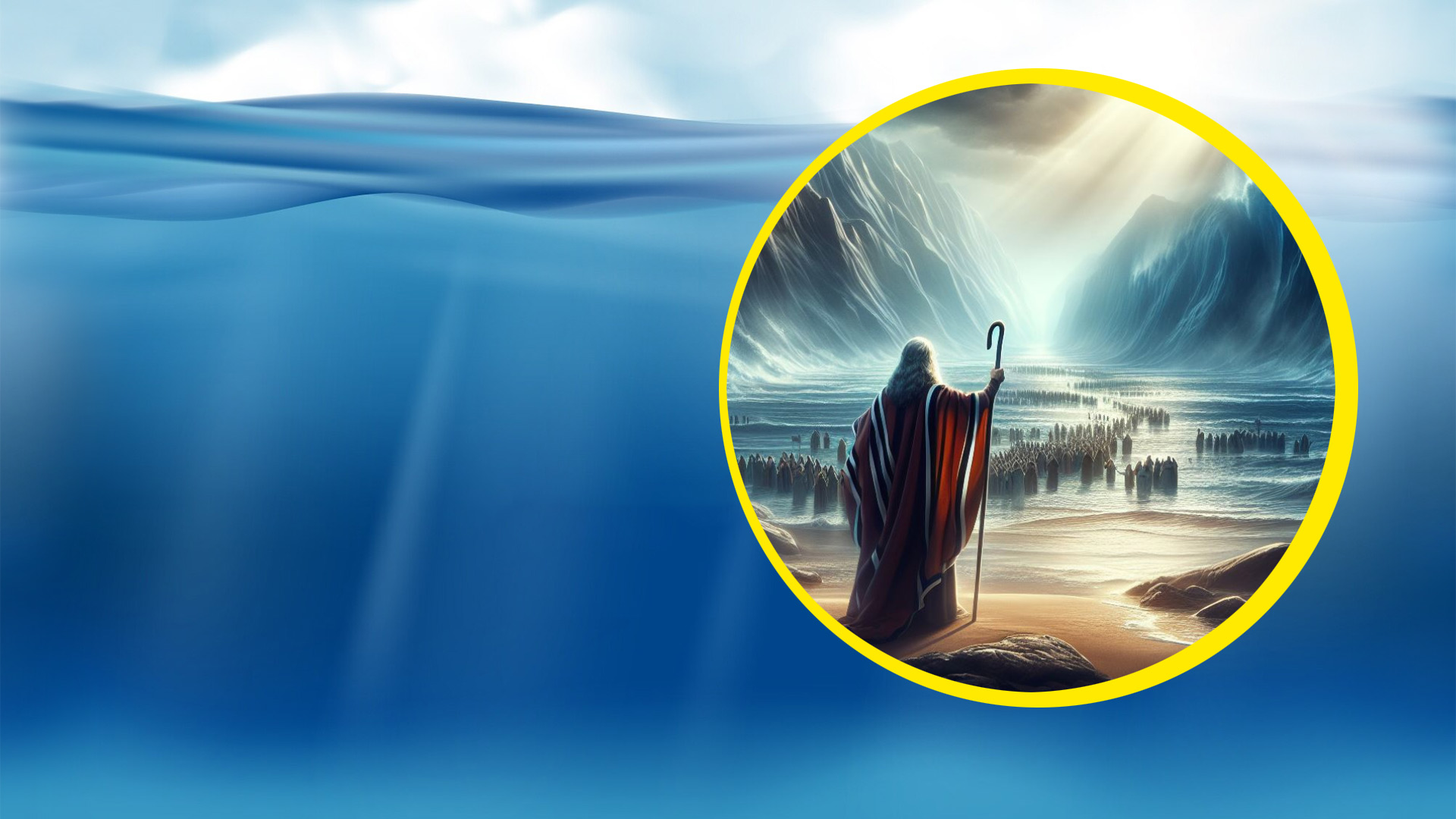
Another significant event in the Old Testament where water plays a central role is the crossing of the Red Sea.
God, through Moses, parts the waters of the sea to save the people of Israel from the pursuit of the Egyptians (Exodus 14).
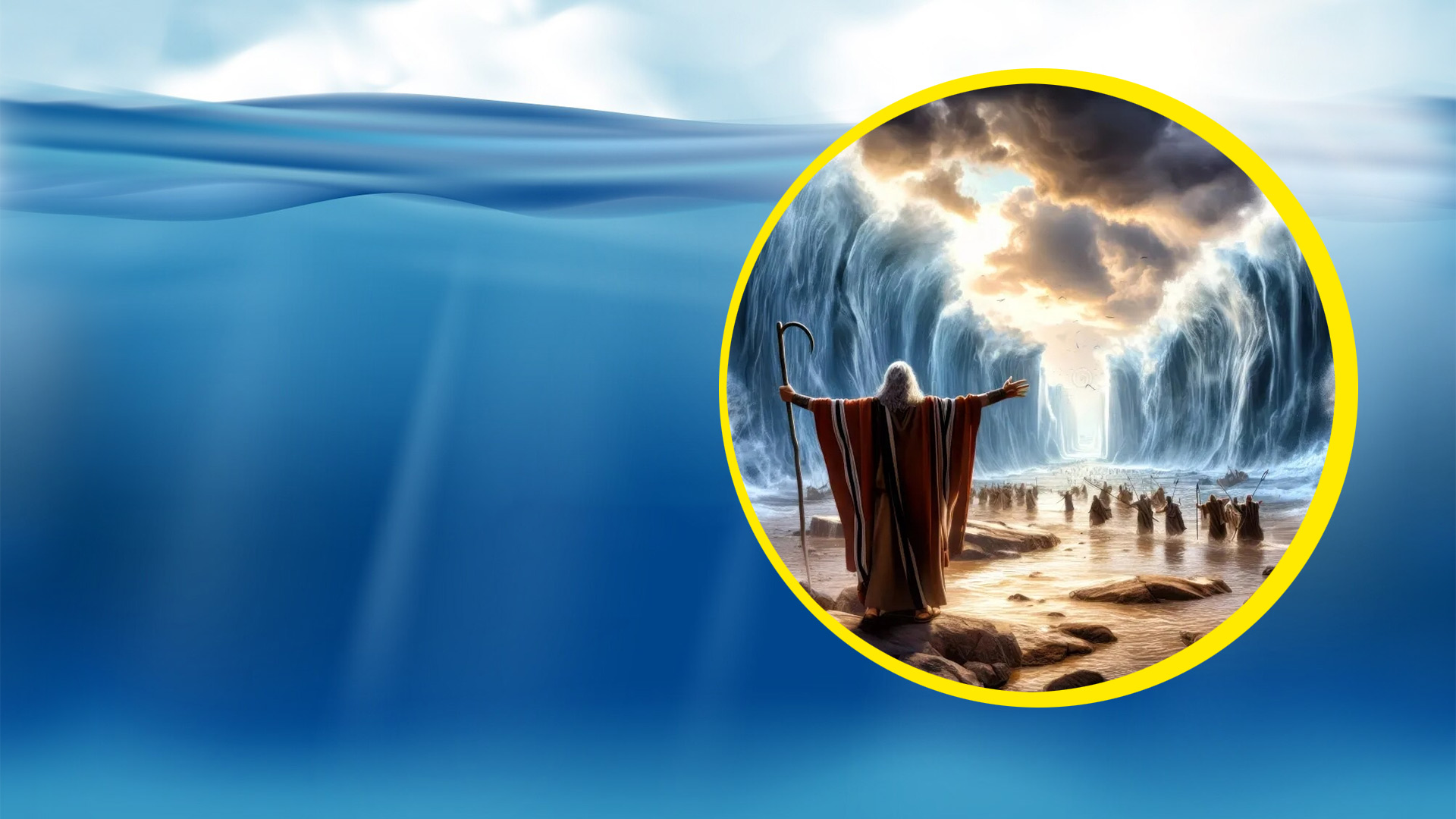
Here, water symbolizes salvation for the people of God while simultaneously serving as an instrument of destruction for their enemies.
This miracle is seen as a foreshadowing of baptism in Christian theology, where water serves for the salvation of humanity and their liberation from the bonds of sin.
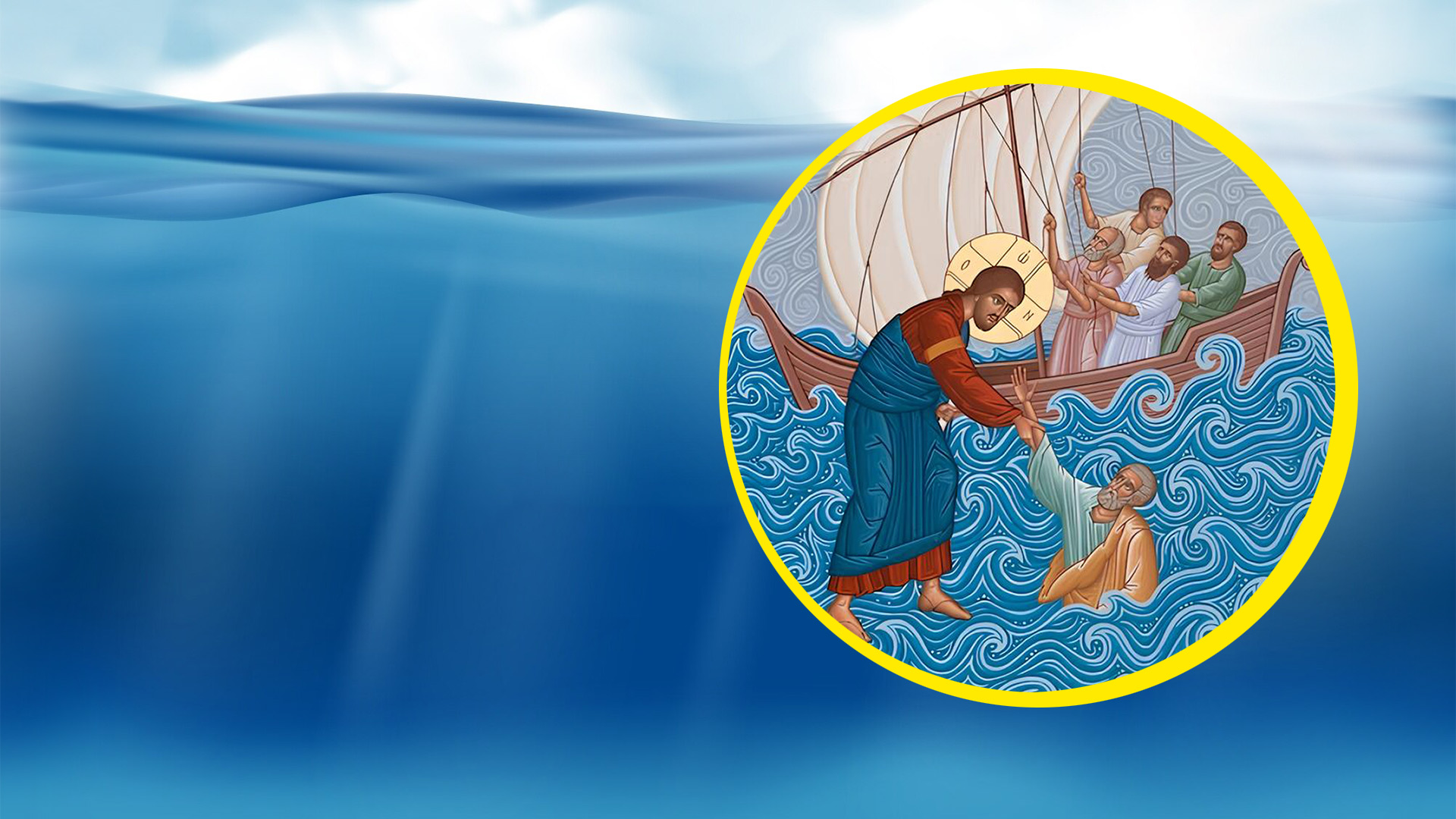
In the New Testament, water takes on an even more central role, primarily through the sacrament of baptism and the teachings of Jesus Christ. Water is no longer just a symbol of purification and salvation, but also a means of entering into new life, uniting with Christ, and attaining immortality.
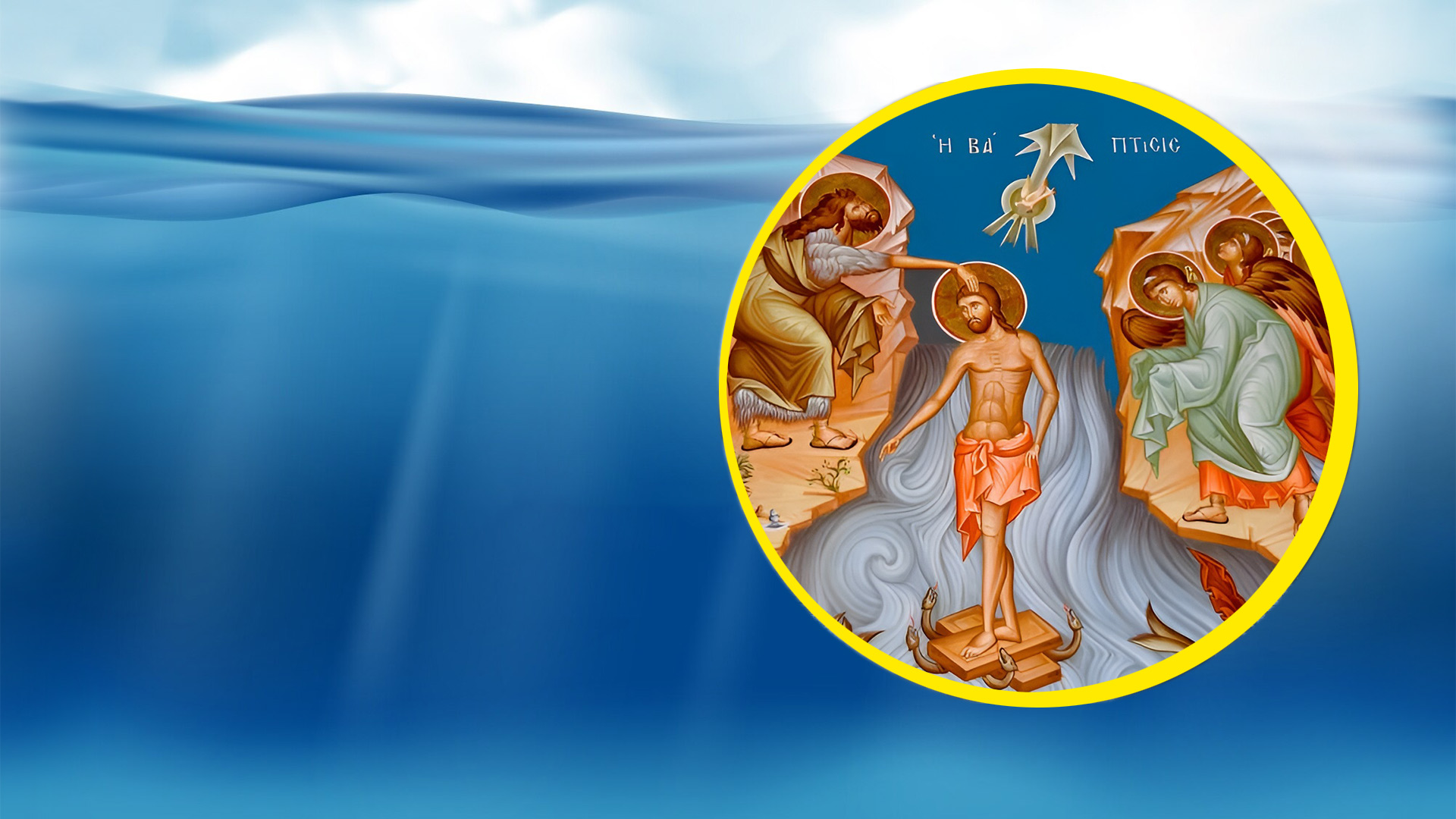
The baptism of Jesus by John the Baptist in the Jordan River is a significant event that establishes water as a fundamental element of salvation. The waters of the Jordan River become the means by which Christ inaugurates His public ministry, while simultaneously revealing the Holy Trinity, as the Holy Spirit appears and the voice of the Father is heard at His baptism.
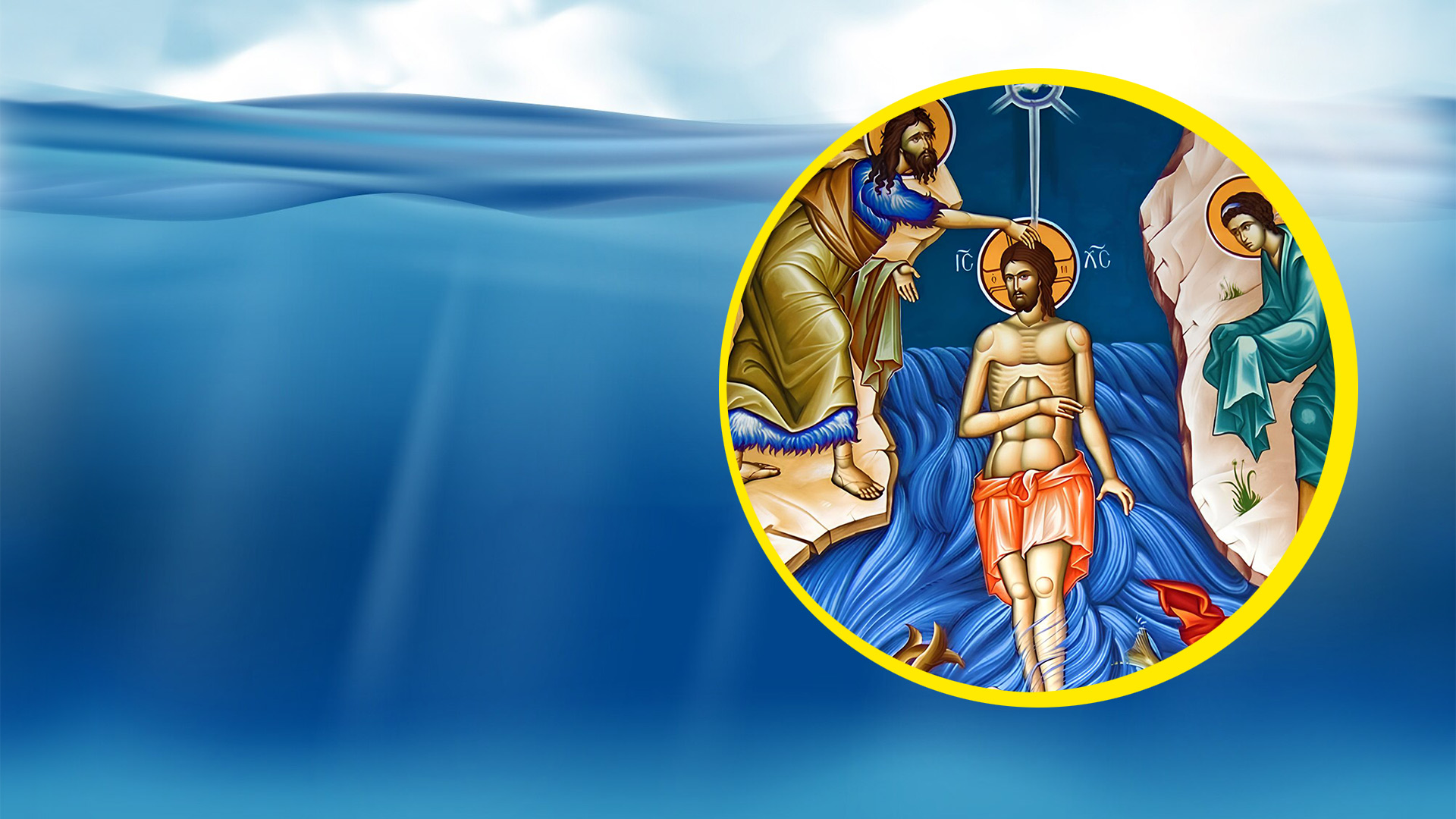
The waters of the Jordan River, through the baptism of Jesus, become a symbol of the unity of the three members of the Holy Trinity, while also foreshadowing the baptism that believers will receive as an entrance into the new life of the Church.
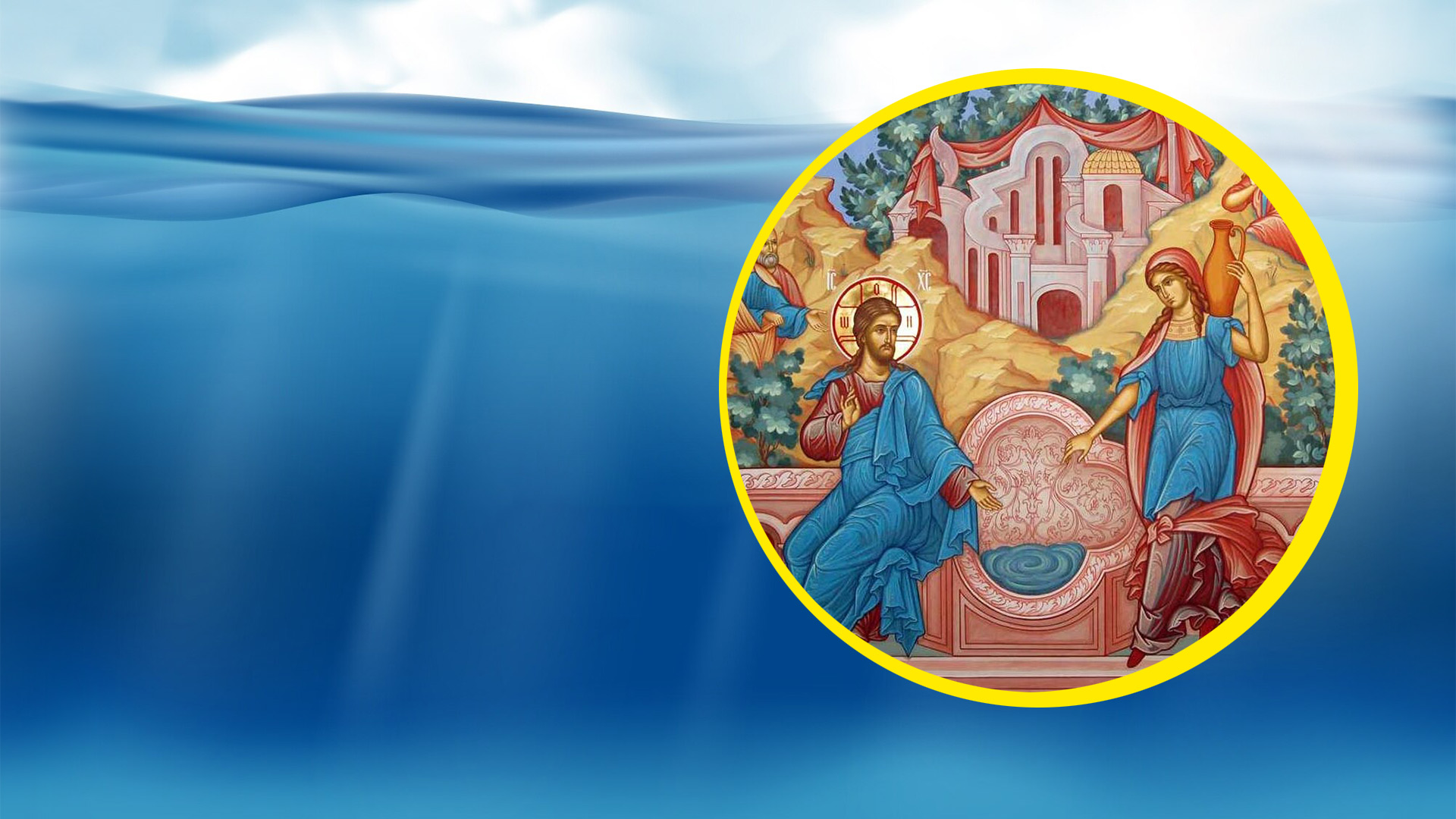
During His encounter with the Samaritan woman at Jacob's well, Jesus speaks of the 'living water' (John 4:14). The living water is the water that grants eternal life, which Christ Himself offers to His believers. Here, water is not merely an element of physical life, but a symbol of spiritual life and eternal salvation. Christ uses humanity's everyday need for water to explain the spiritual need for salvation and union with God.
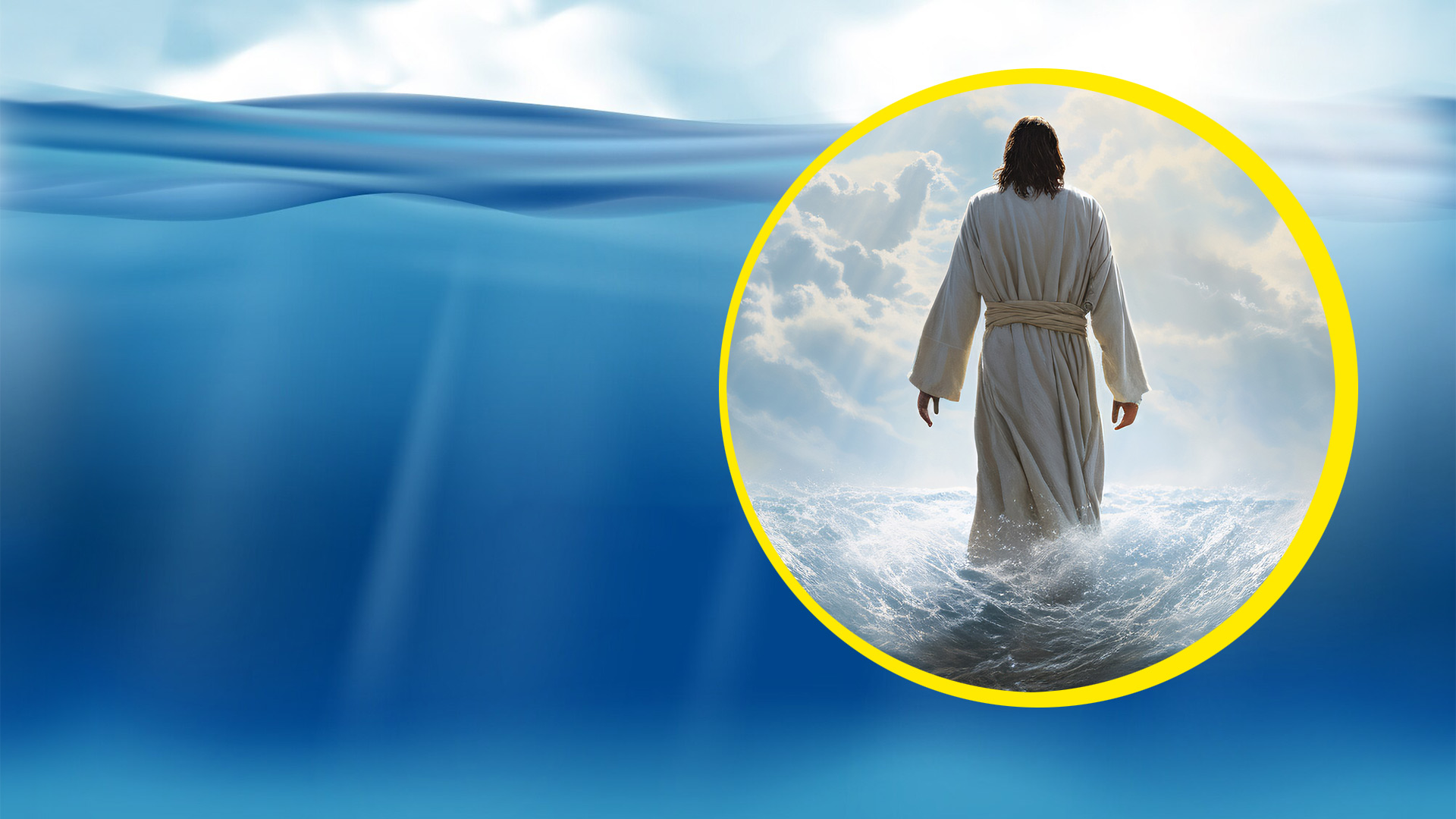
After the biblical era, water continued to hold a prominent place in Christian worship and theology, particularly through the sacrament of baptism, as well as in other liturgical acts, such as blessings and purifying rituals.
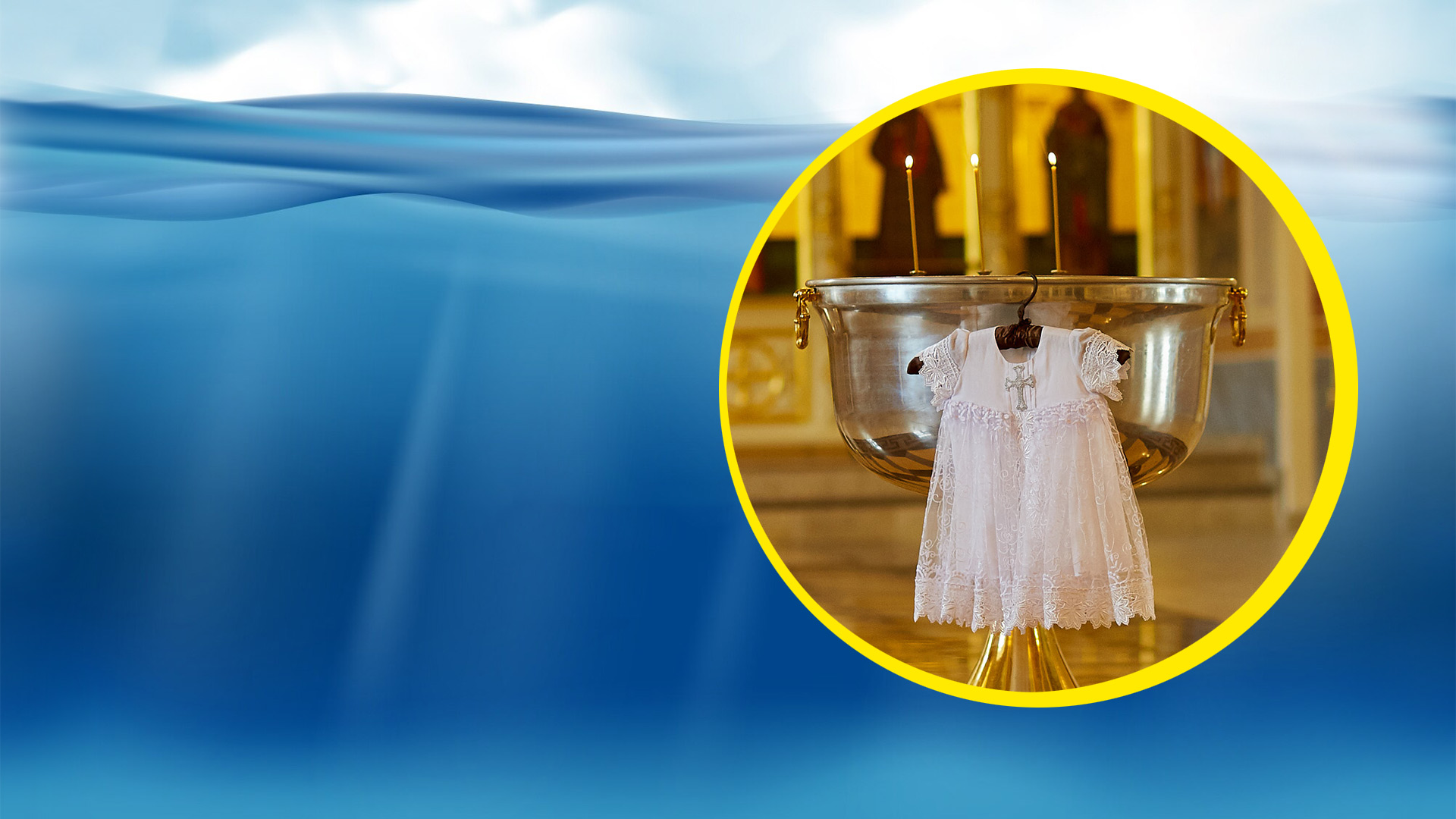
Baptism is the first and most fundamental sacrament of Christian life. Through the water of baptism, a person is cleansed from the original sin and welcomed into the Church. The immersion of the baptized person in water symbolizes the death of sin and the burial of the old self, while their emergence from the water symbolizes rebirth and resurrection to a new life in Christ.
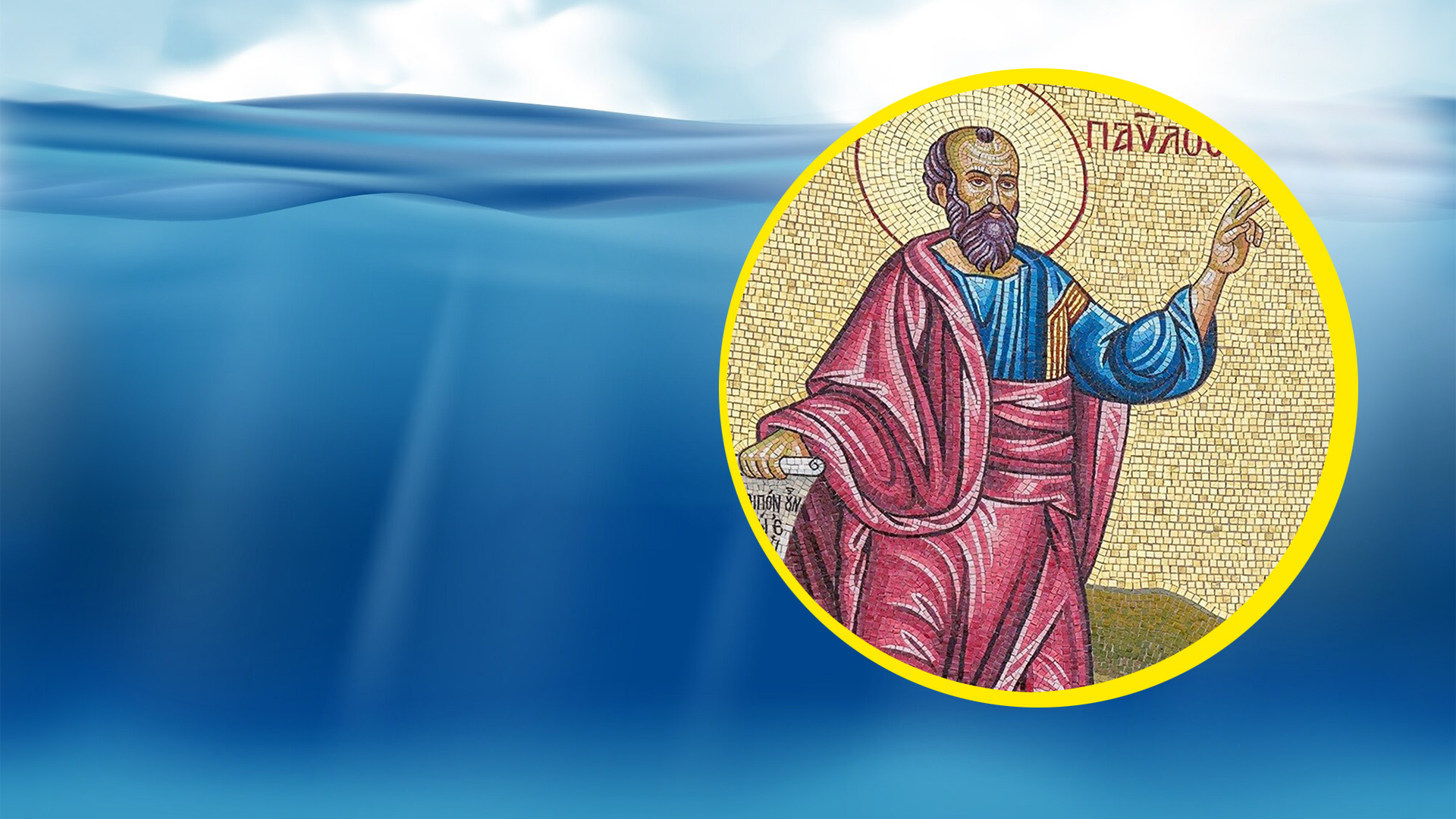
The Apostle Paul, in his letter to the Romans, explains this sacrament in the following way: «Όσοι βαπτισθήκατε εις Χριστόν, ενεδύθητε τον Χριστόν» ("For all of you who were baptized into Christ have clothed yourselves with Christ") (Romans 6:3-4). Through the water of baptism, the believer becomes one with Christ, participates in His death and resurrection, and is spiritually reborn. Thus, in Christian theology, water is not merely a natural element, but the means through which salvation and rebirth are realized. Baptism symbolizes the transition from the old world of sin to the new world of grace and holiness.
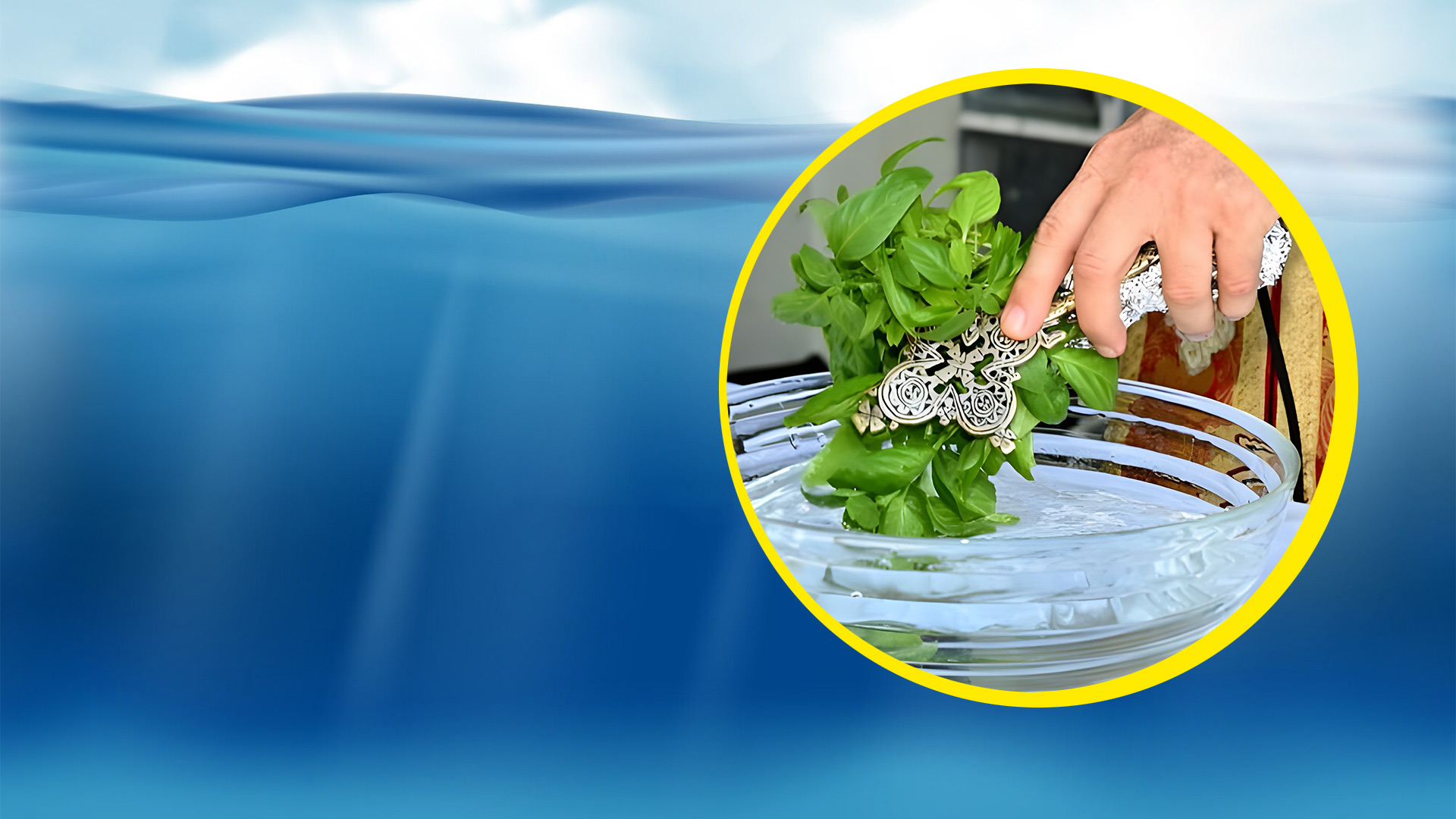
The blessing is another important use of water in the Christian religion. In the ceremony of the Great Blessing of the Waters on Epiphany, the water is sanctified by the invocation of the Holy Spirit and is used for the blessing of the faithful, their homes, and objects.
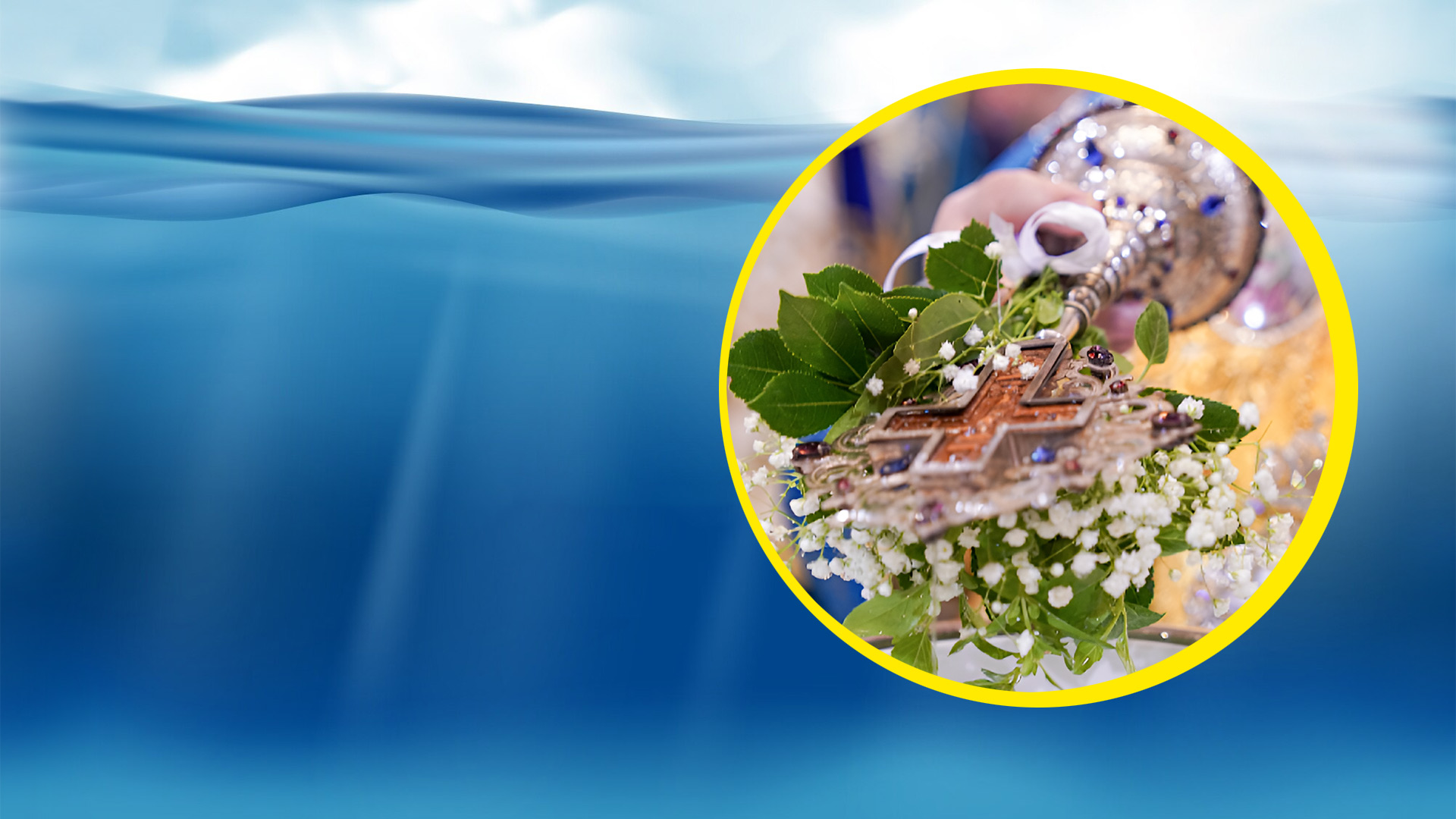
The blessing of the water demonstrates God's power to sanctify and purify His creation. Water, which is essential for survival and life, becomes, through prayer and blessing, a vessel of divine grace. Believers use the blessed water to cleanse themselves and their spaces, as well as for protection against evil.
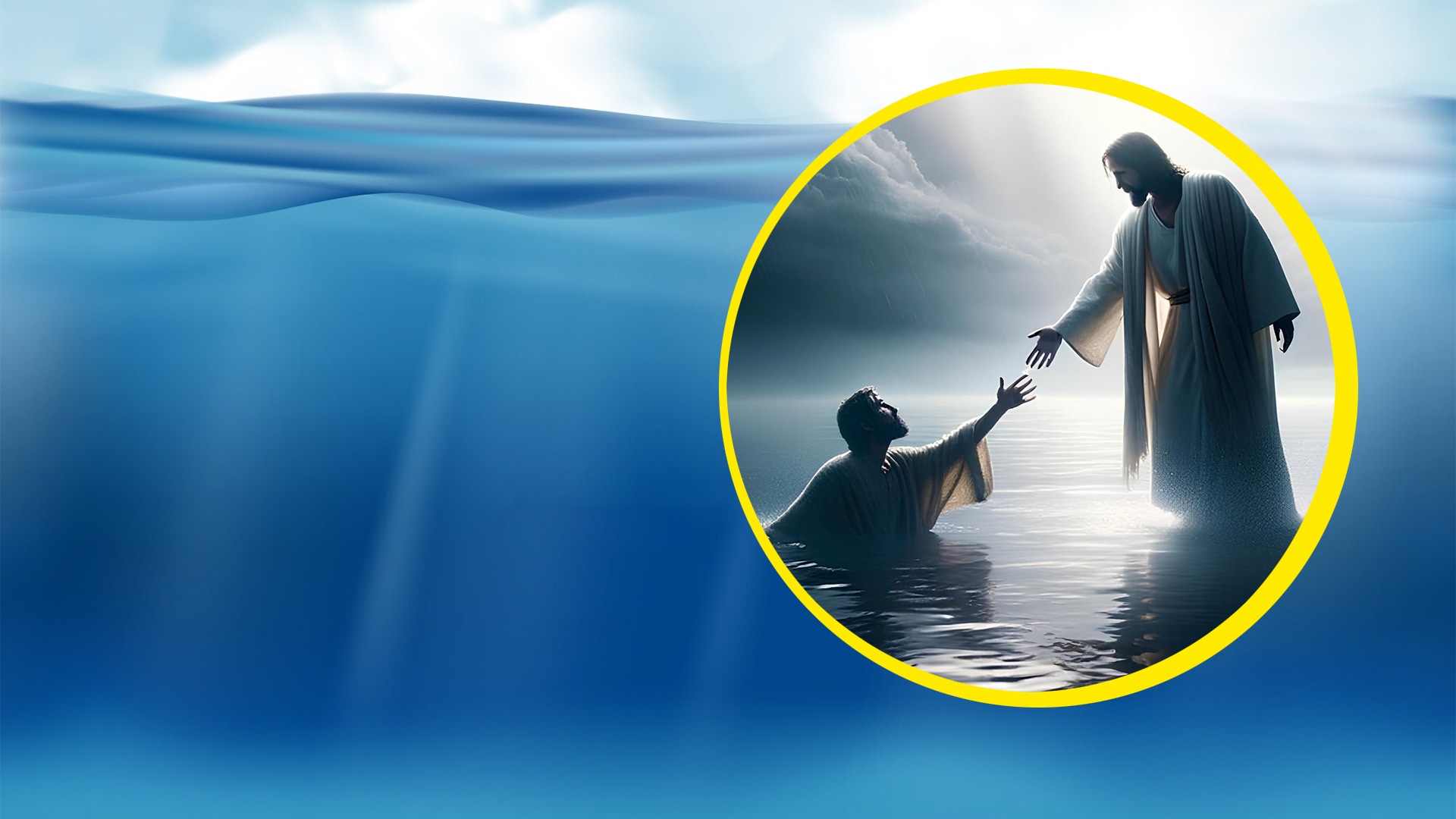
Water, in both Christian religion and theology, symbolizes many aspects of spiritual life. Some of the key meanings attributed to water are as follows:
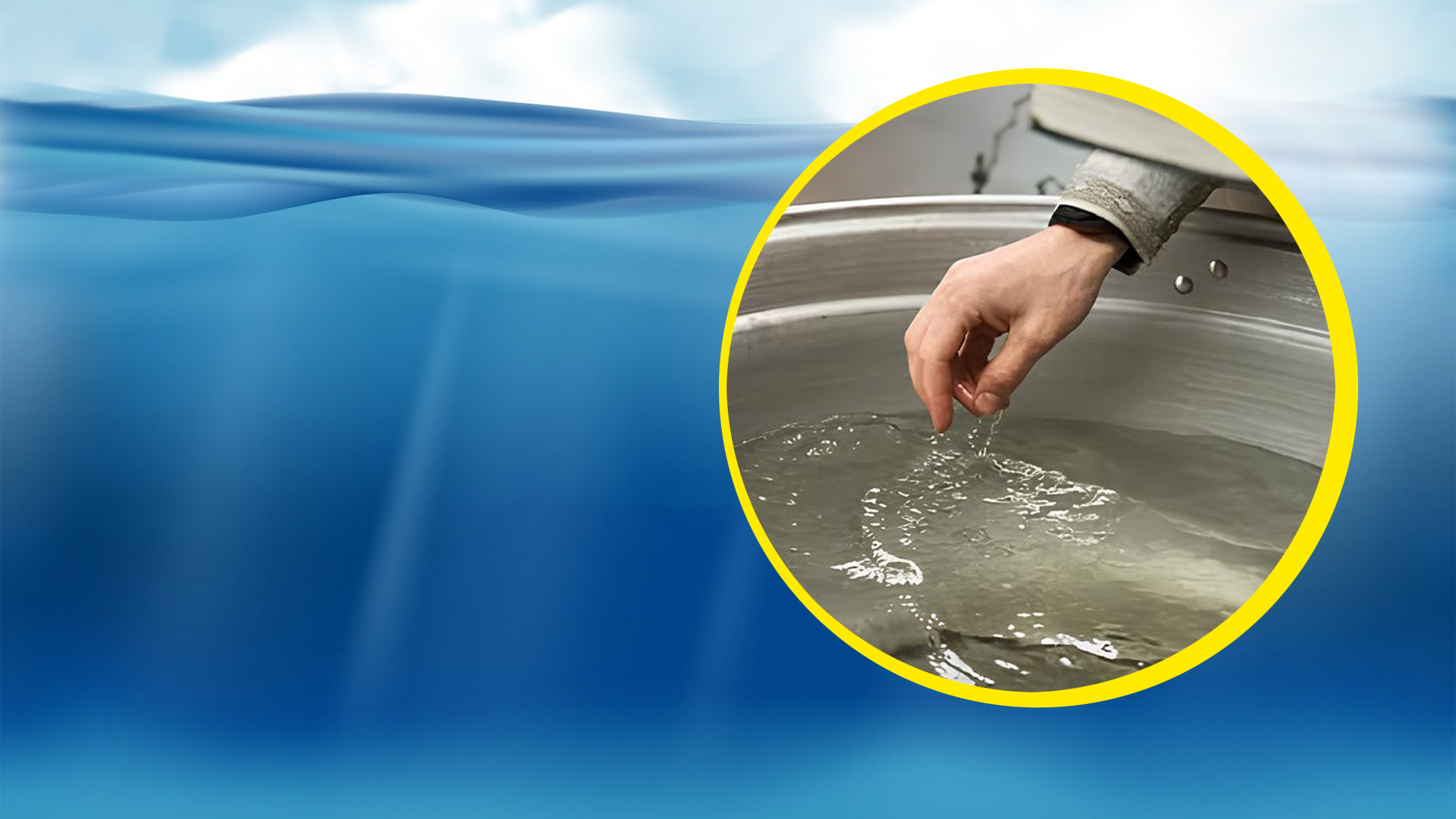
1. Purity and Cleansing Water is a symbol of purity. It is used for cleansing the body and, on a spiritual level, symbolizes the purification of the soul from sin. In the sacrament of baptism, water cleanses the baptized person from sins, just as water cleanses the body of physical impurities.
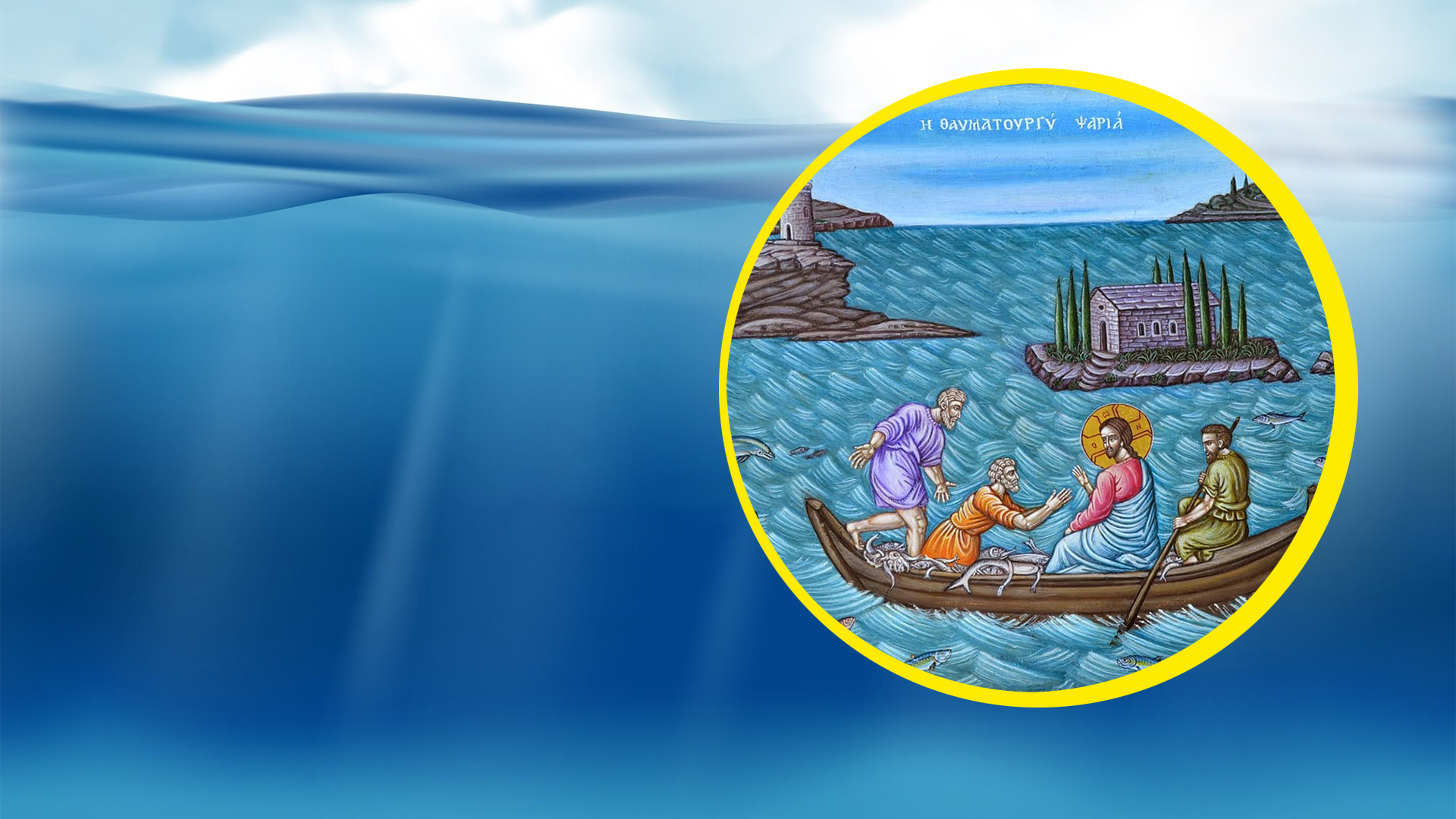
2. Life and Rebirth Water is essential for life. Without water, life cannot exist in nature, just as spiritual life cannot exist without the grace of God. In Christian baptism, water symbolizes the new spiritual life that the believer receives. The immersion and emergence from the water represent rebirth and a new beginning.
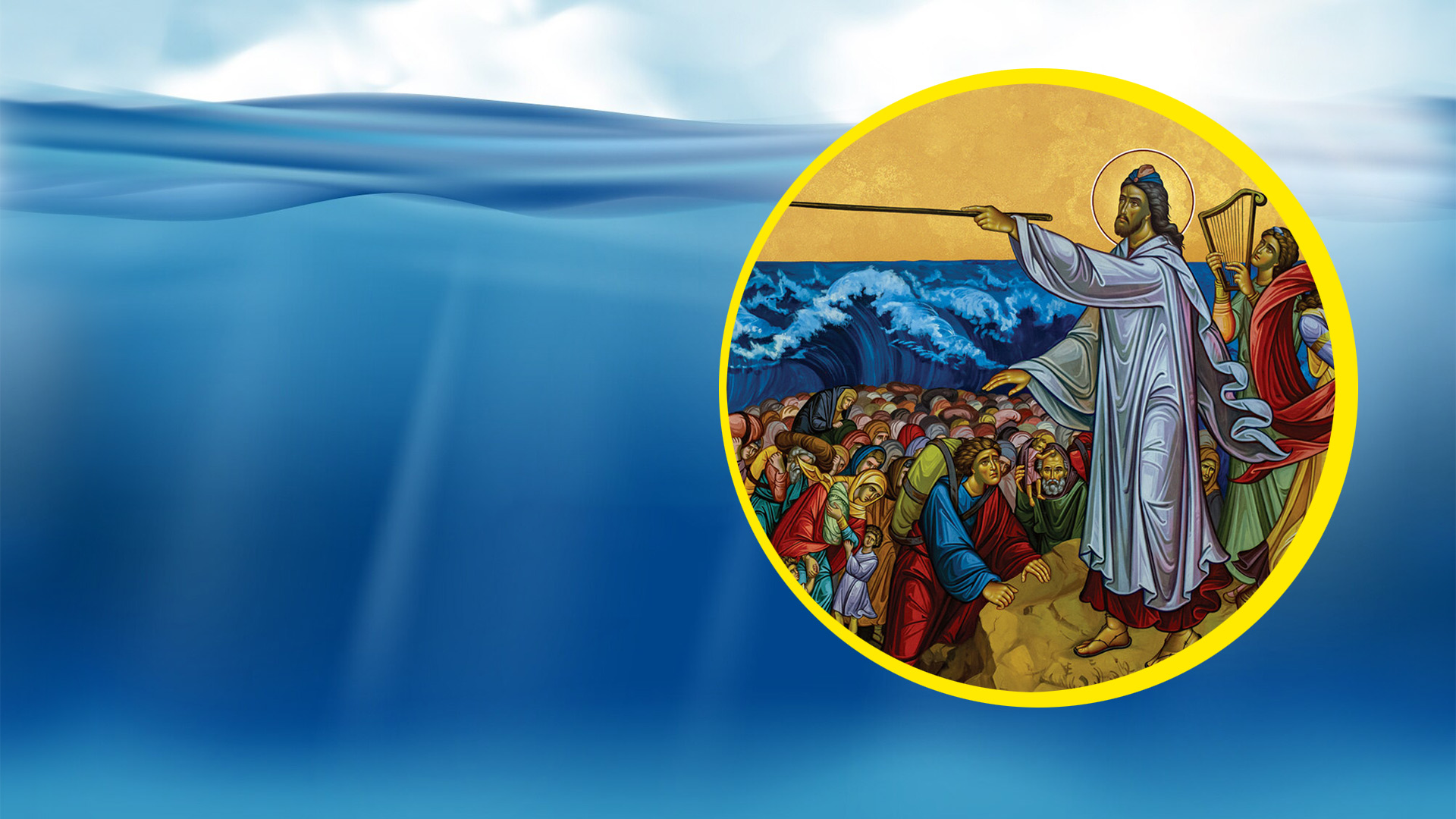
3. Salvation and Protection Water in the biblical narrative is often linked to salvation. God uses water to save His people, whether through the Flood, the crossing of the Red Sea, or through baptism. Water symbolizes God's protection and care for His people.
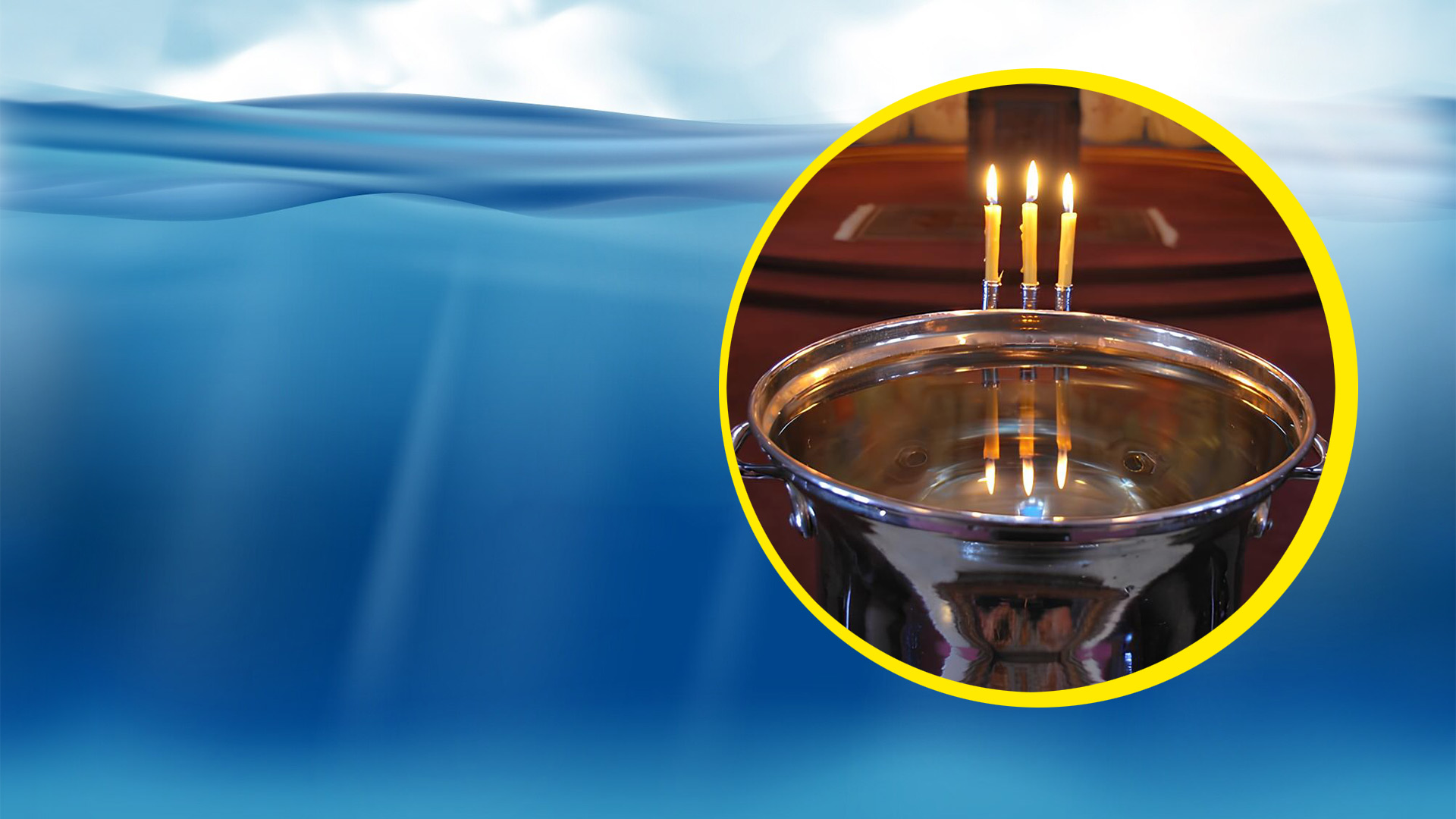
4. Unity with God In Christian baptism, water is the means by which a person is united with God. The cleansing and rebirth that water provides lead the believer to a close relationship with God and with His Church.
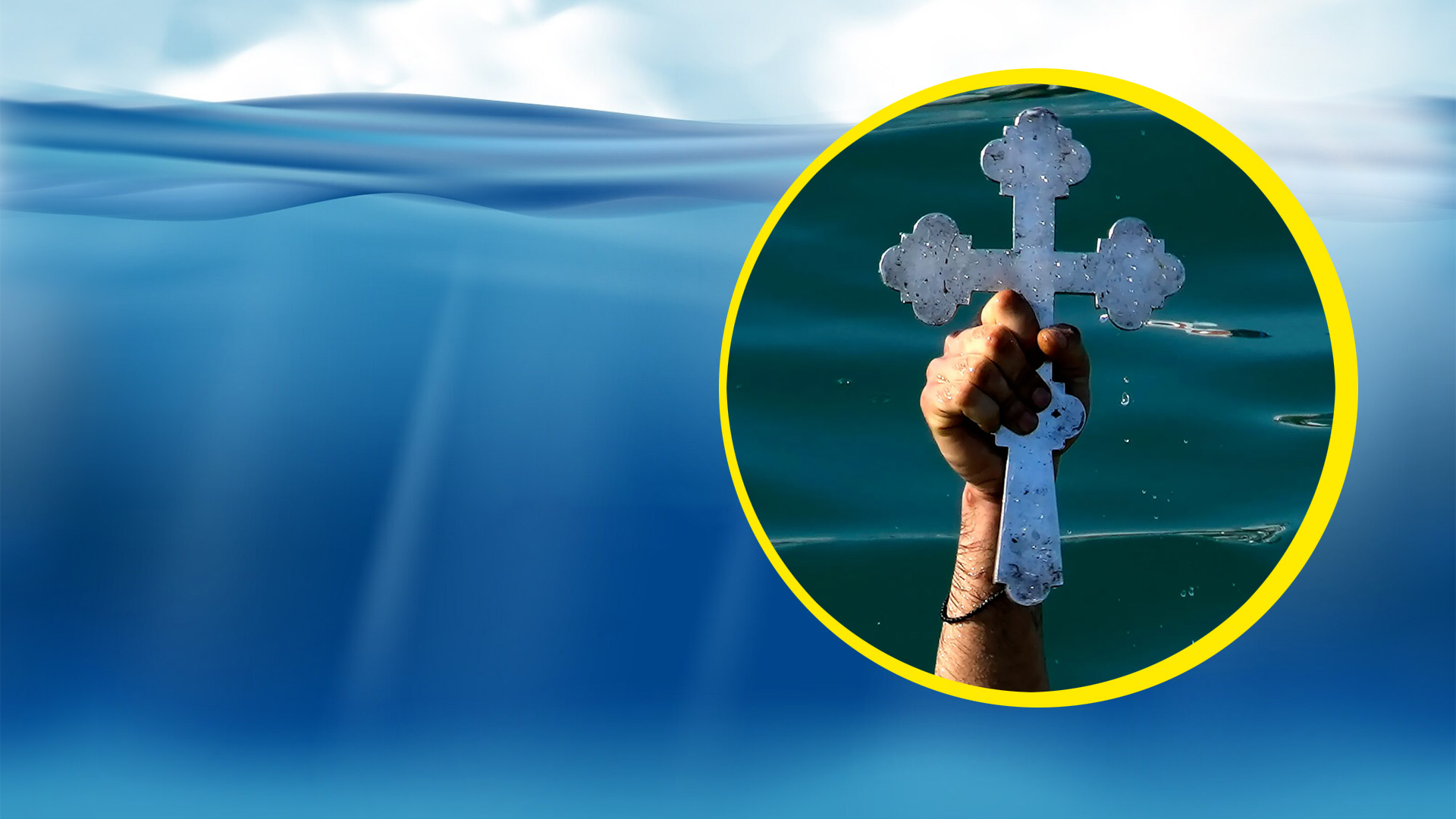
The significance and symbolism of water in the worship of the Christian Church are multifaceted and deeply rooted in theology and spiritual life. From the biblical narratives of the Old and New Testaments to the modern rituals of the Church, water remains one of the most powerful symbols of life, cleansing, rebirth, and salvation.
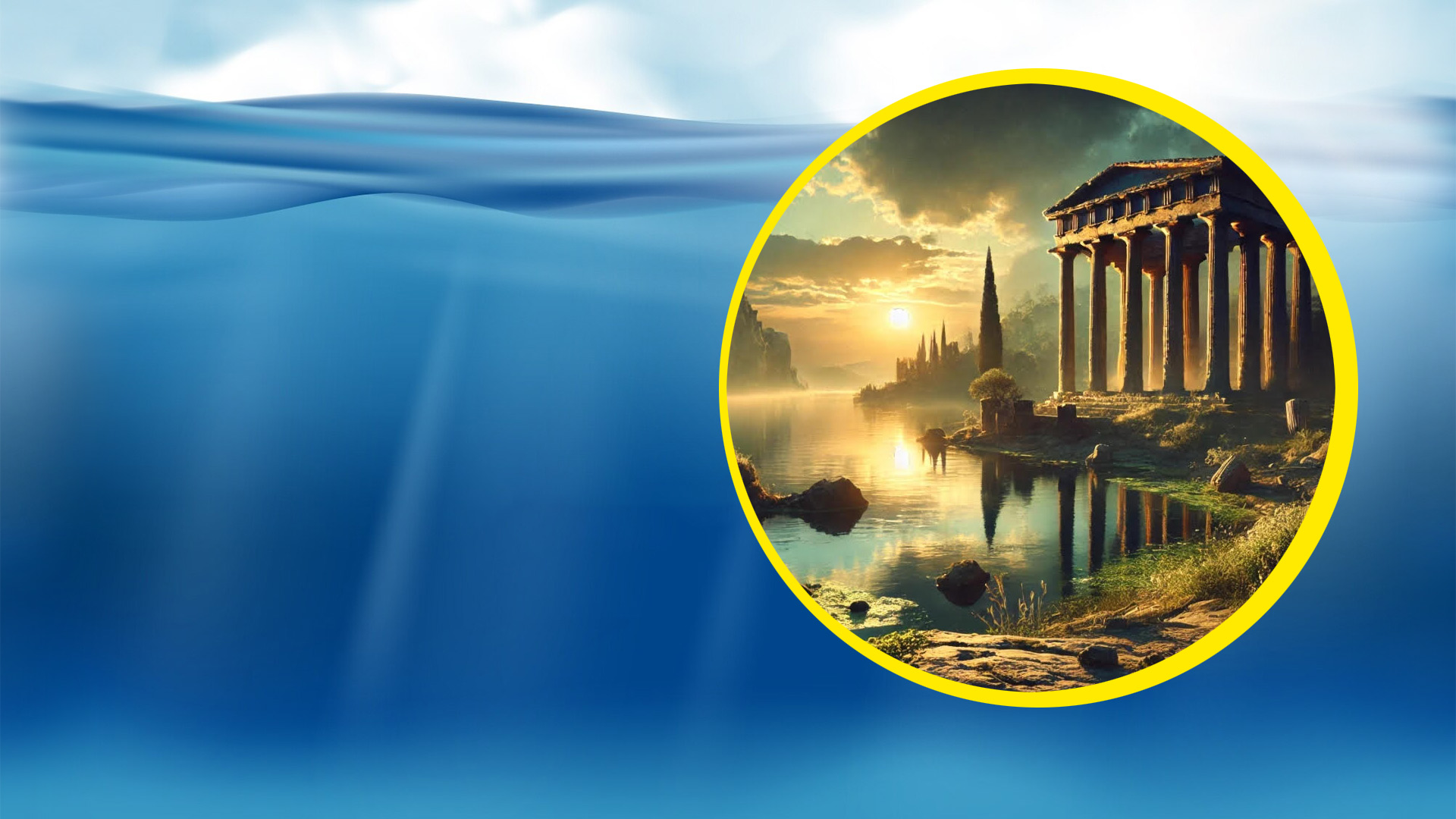
In ancient Greek religion, water held an important position and was associated with purity, life, fertility, and the relationship between humans and the gods. The ancient Greeks, like many other peoples of antiquity, viewed water as one of the most powerful and fundamental elements of nature, with deep spiritual and symbolic significance.
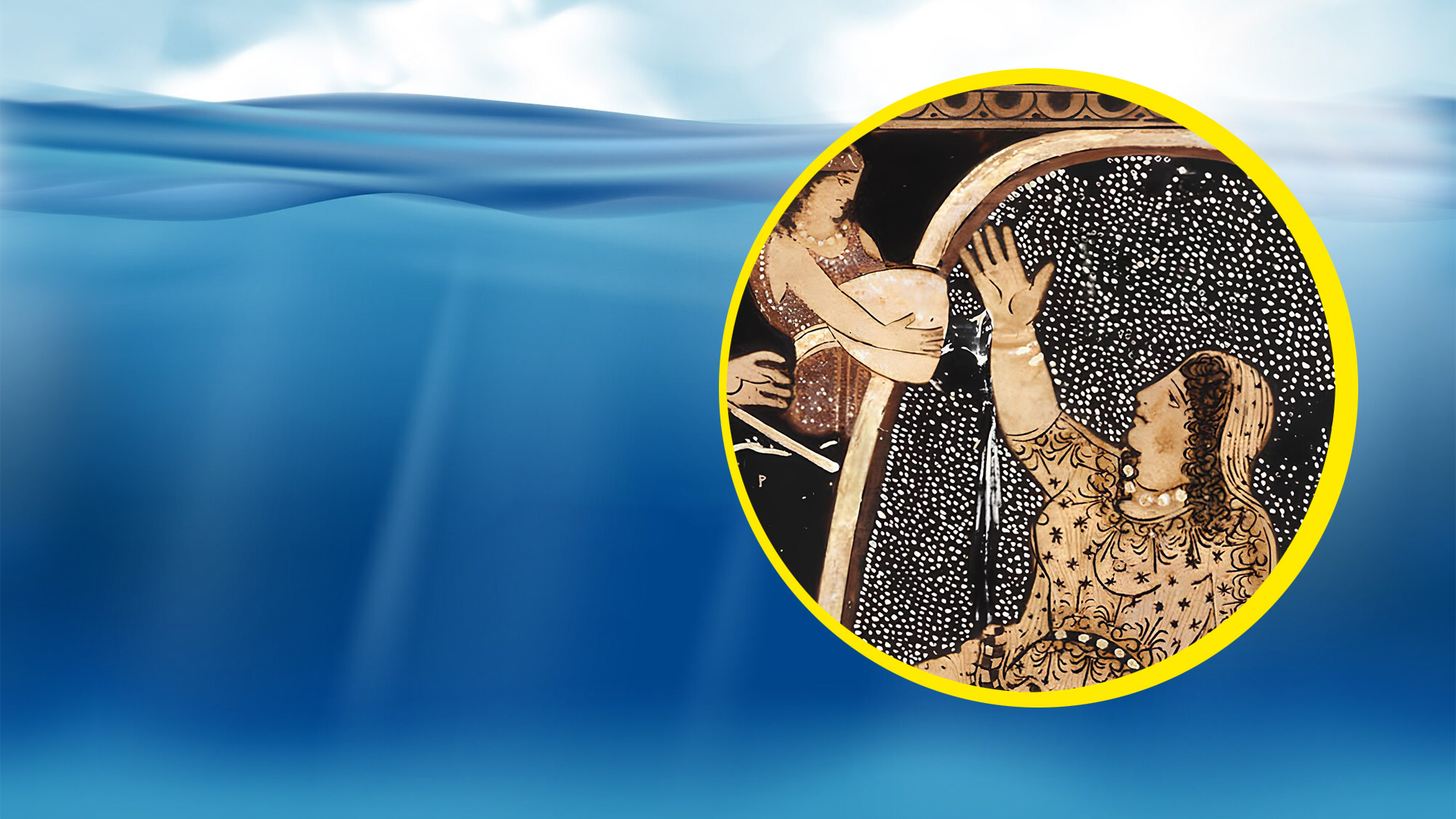
Purity was one of the fundamental aspects of ancient Greek worship. Water was often used for ritual purification before entering temples or participating in sacred ceremonies. Believers washed their hands and faces, an act symbolizing spiritual and physical cleansing, preparing the person for communion with the gods.
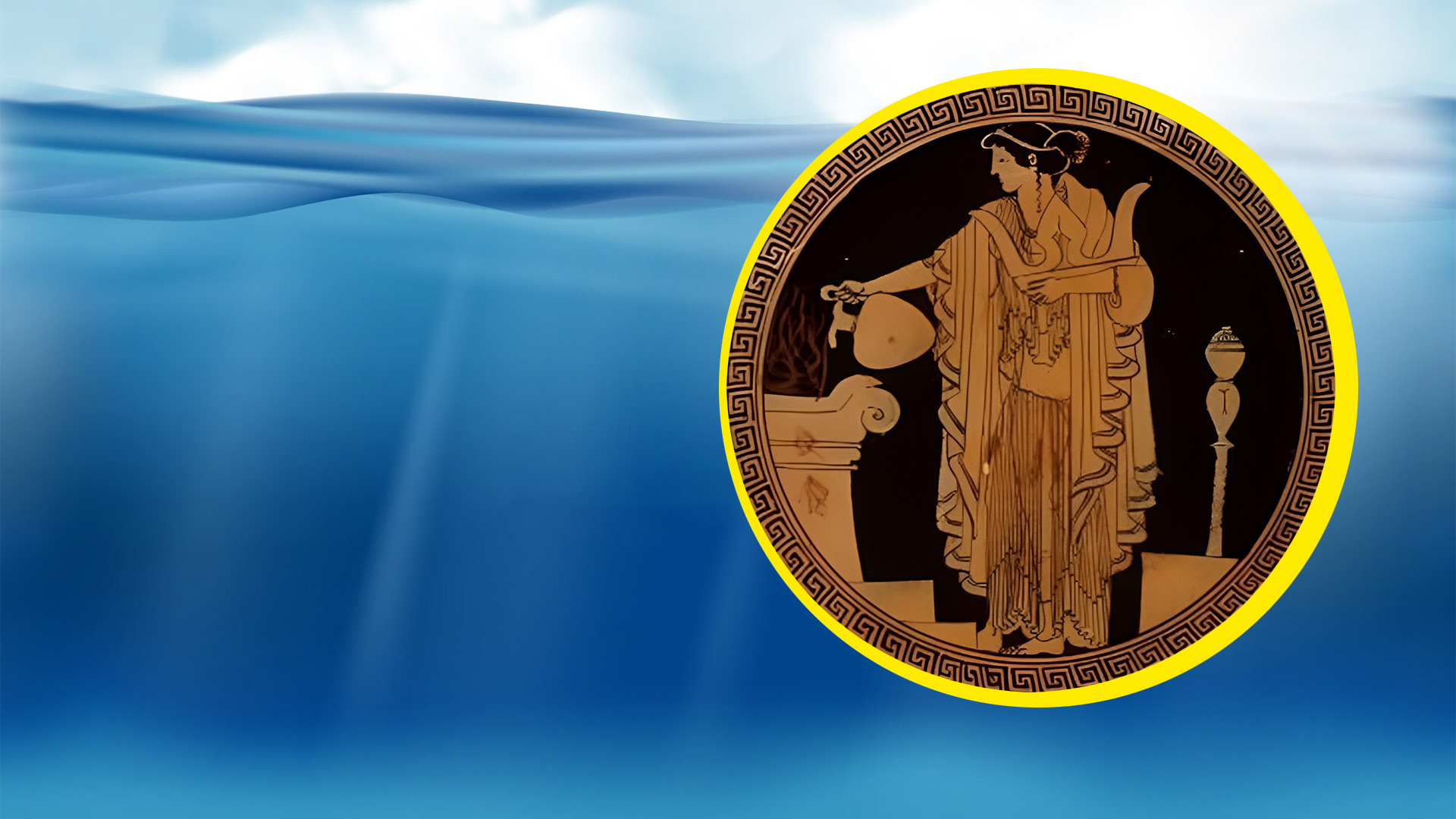
Purifications were necessary to remove 'miasma' (pollution), which they believed could be brought about by sins or impure actions. Purification through water ensured that the believer was pure and capable of entering sacred spaces or participating in ceremonies dedicated to the gods.
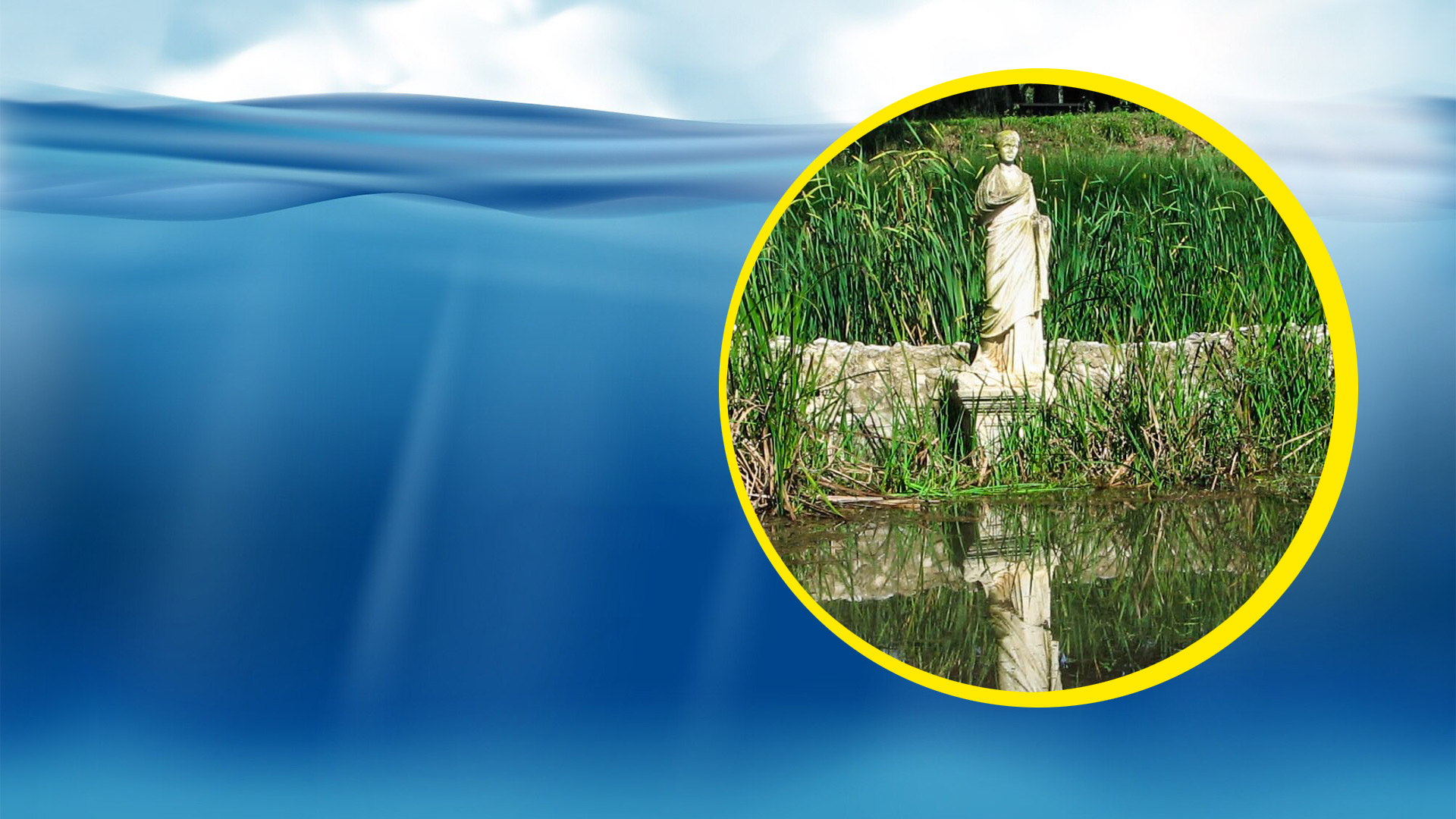
In ancient Greece, many springs, rivers, and lakes were considered sacred and were dedicated to various gods. Sources such as the Castalian spring in Delphi and Dodona were considered places of special spiritual energy, where water provided inspiration, cleansing, and prophetic powers.
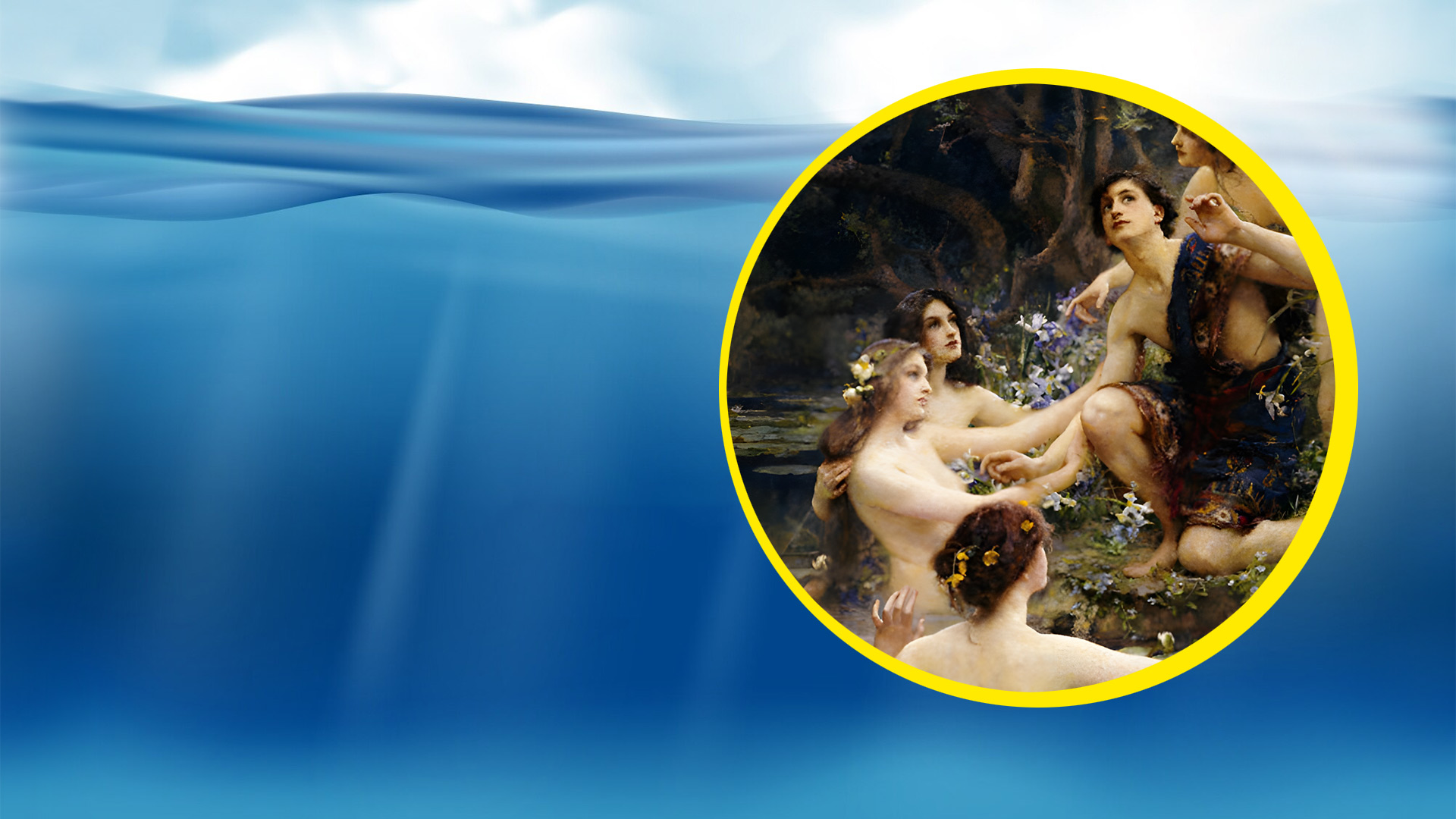
The Nymphs, deities of water, were worshiped at springs, rivers, and in forests. The Nymphs were associated with the fertility of nature, and the water from their springs was considered life-giving. Contact with these waters was believed, according to tradition, to have healing and spiritual properties.
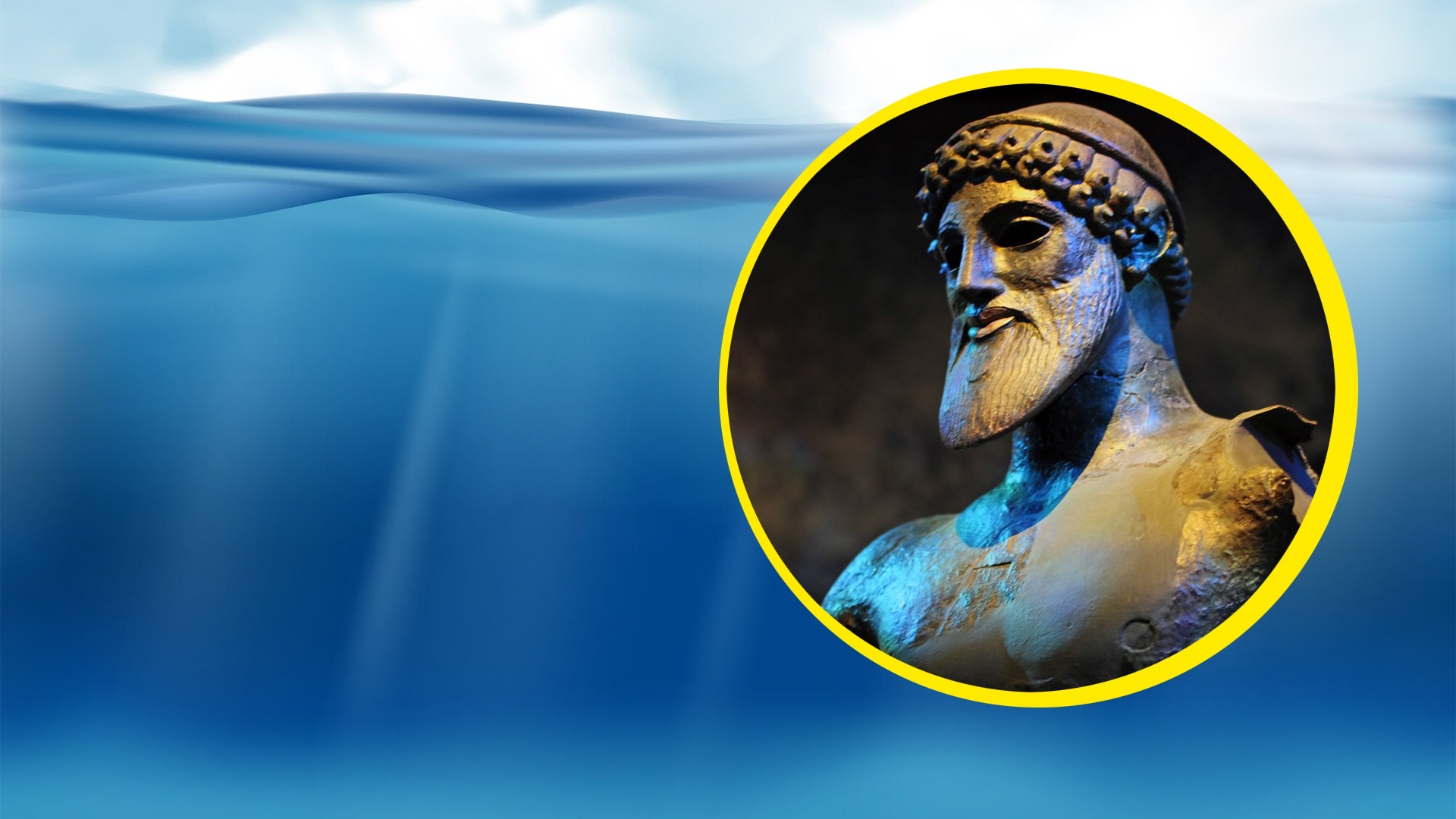
Water was directly associated with several gods and goddesses of ancient Greek religion. Poseidon, as the god of the seas and waters, was one of the principal deities associated with water. Worship of Poseidon included offerings and rituals near seas and rivers, and the element of water symbolized his power, strength, and indomitable nature.
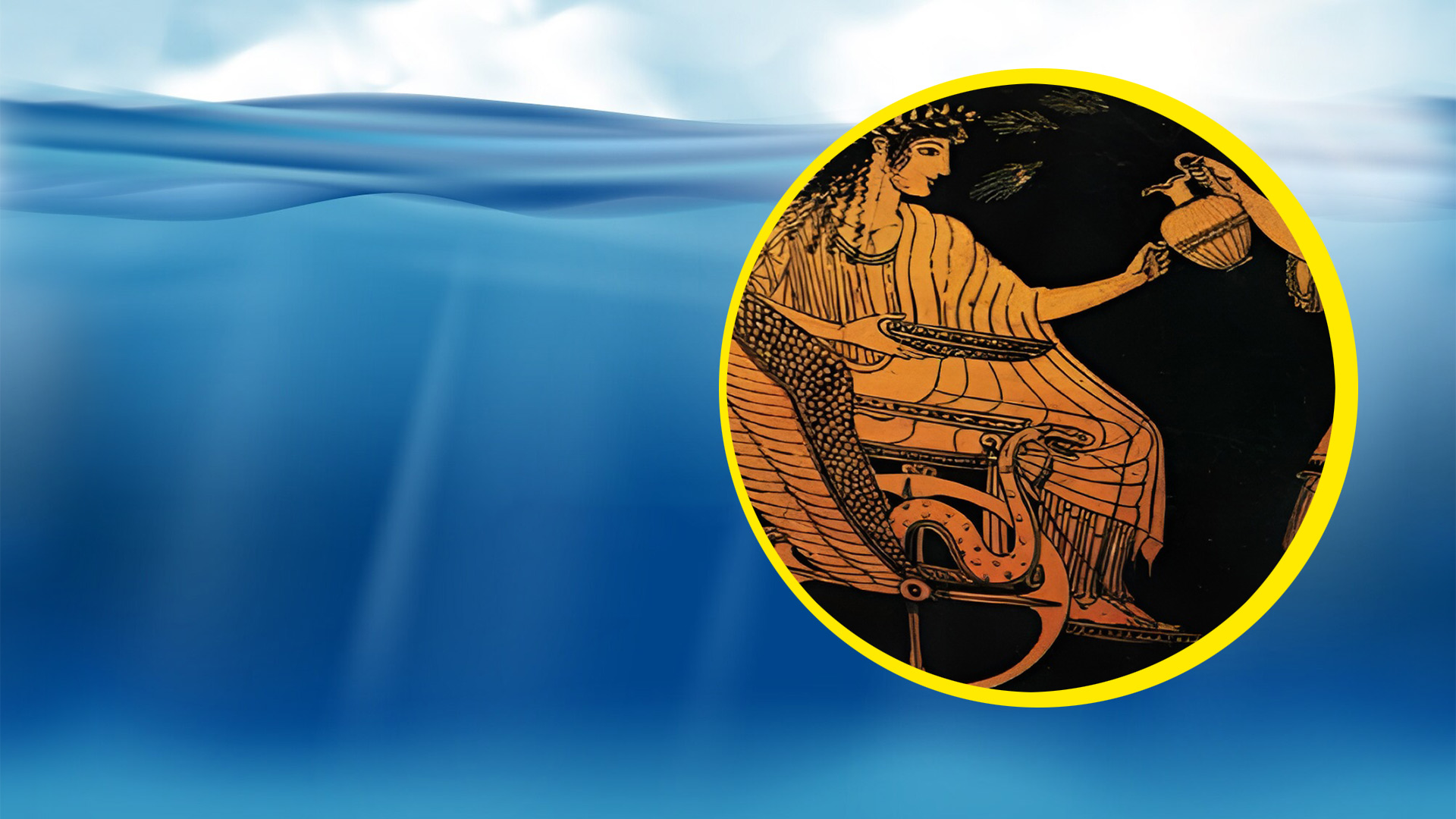
Demeter, the goddess of agriculture and fertility, was also associated with water, as it was essential for the growth of the earth. The rituals of Demeter, particularly the Eleusinian Mysteries, included purifying baths, symbolizing the cycle of birth, death, and rebirth.
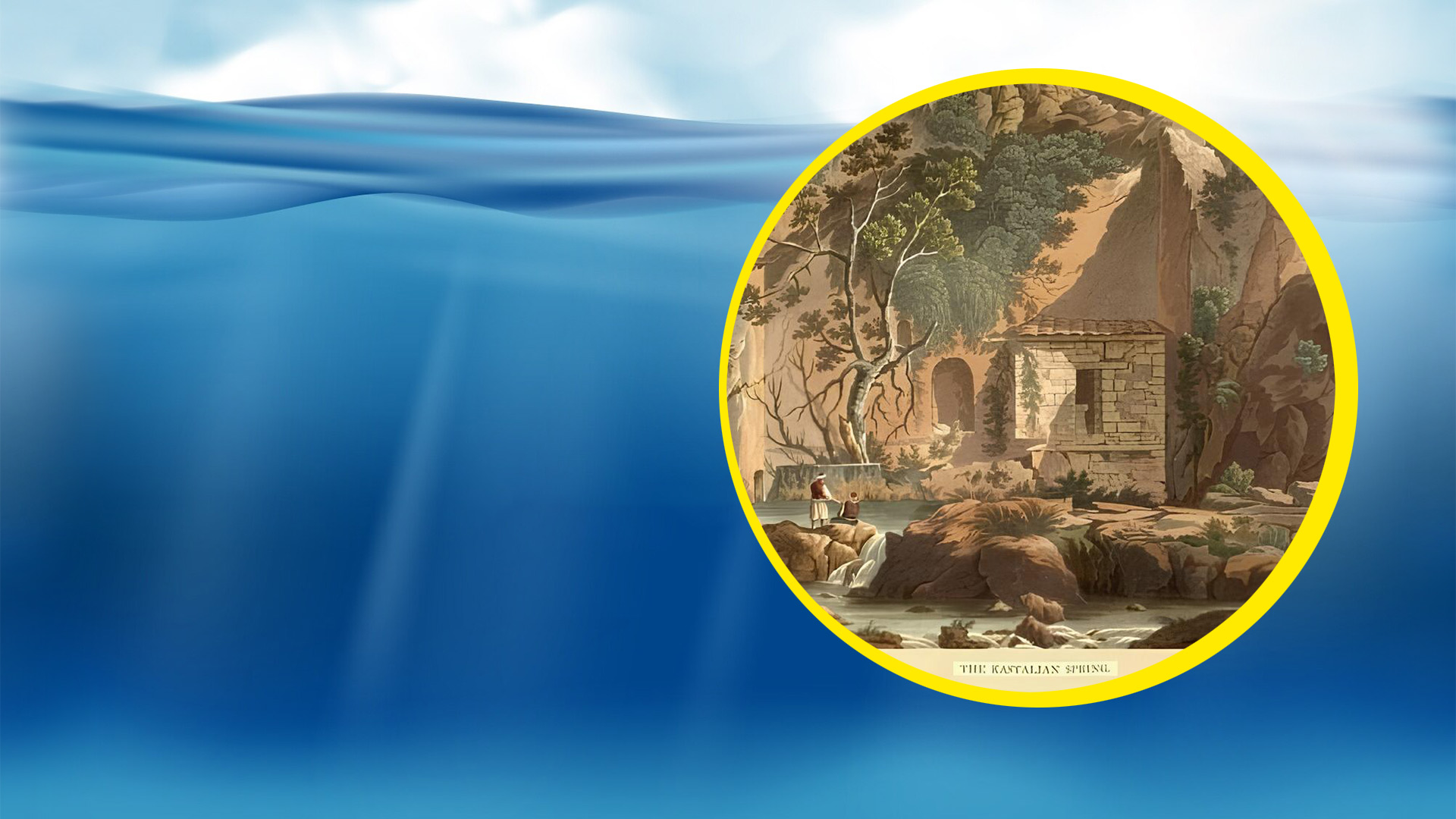
In certain sanctuaries, water had prophetic uses. At the Oracle of Delphi, worshipers would drink water from the sacred Castalian spring before receiving an oracle. The water from the spring had the power to cleanse and prepare the worshiper for communion with the divine, while the priests used it to enhance their prophetic abilities.
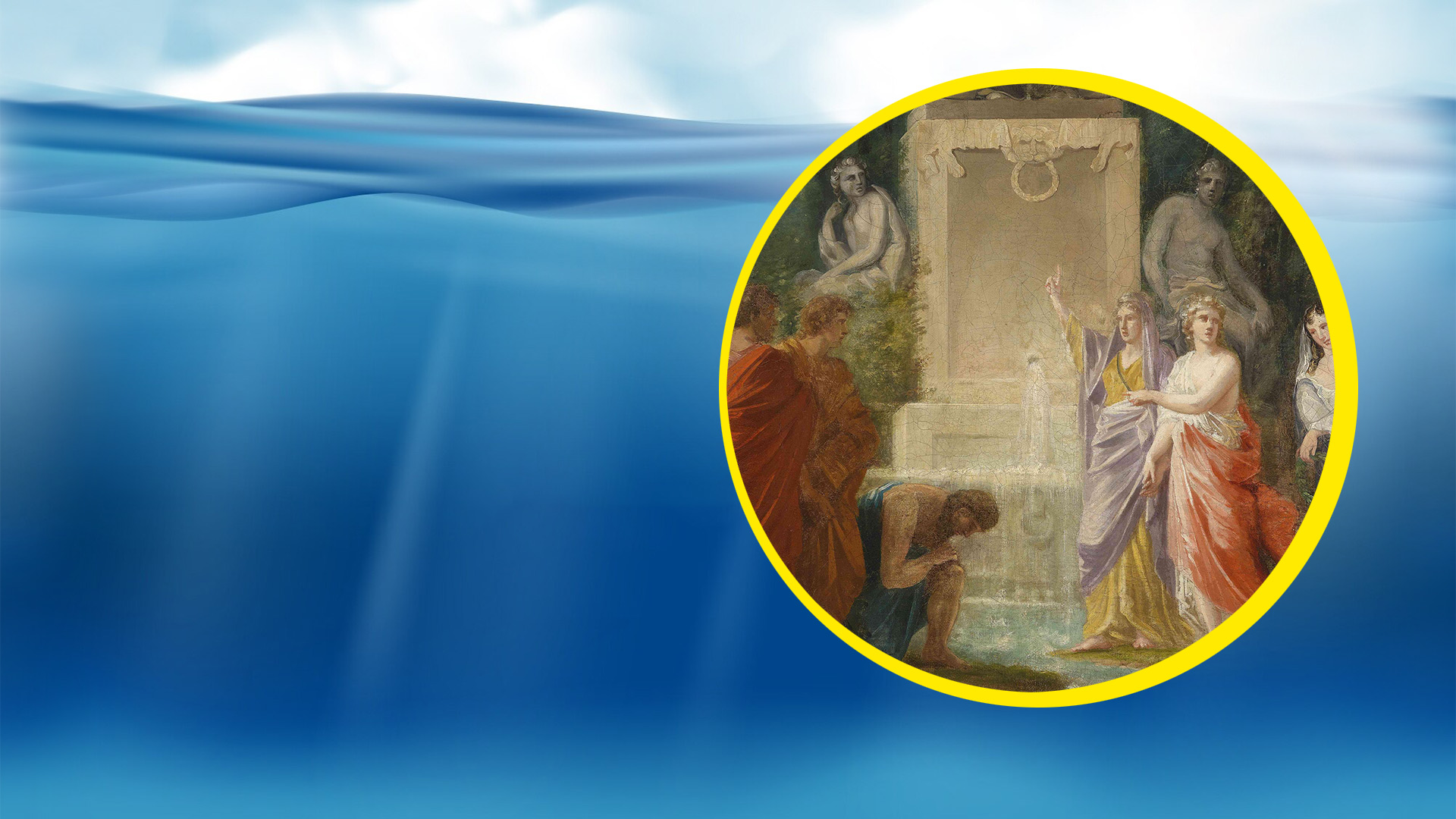
In ancient Greek worship, water was a symbol of life, purity, and power. Whether as a means of purification or as an element connected with fertility and prophecy, water played a central role in the relationship of the ancient Greeks with the divine and nature.
Design & Development
Pachtas Nikolaos & SIA O.E.